KBR Wins Aramco Marjan Field Upgrade Contract for Processing, Gas Compression and Power Systems
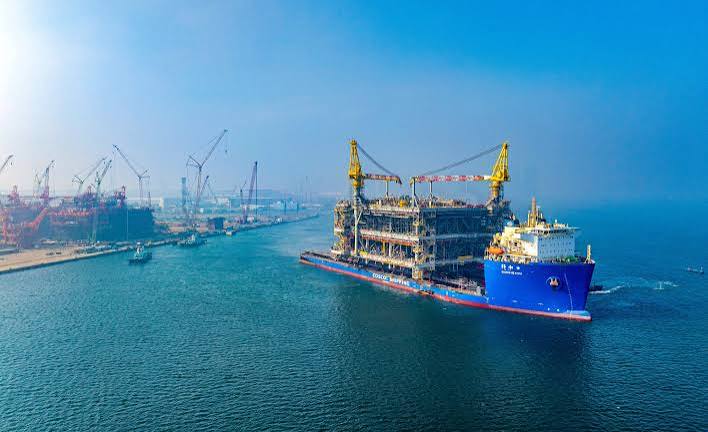
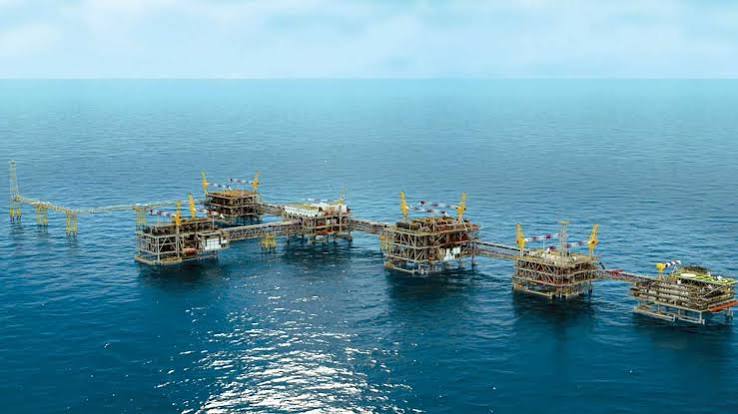
KBR has secured an engineering and project execution contract from Saudi Aramco to support upgrades at the Marjan offshore oil and gas field in the Arabian Gulf. Announced on October 6, 2026, the assignment covers offshore processing, gas compression and power infrastructure, with the aim of maintaining production capacity and strengthening the performance of existing facilities.
The project highlights a key trend in energy infrastructure: operators must continue upgrading established assets even after major development programmes expand their production capabilities. For chemical traders, procurement managers and industrial suppliers, this creates a reason to monitor demand for maintenance materials, process chemicals, equipment components and specialist engineering services.
KBR expects to carry out most of the engineering work from its offices in Houston, United States, and Al-Khobar, Saudi Arabia. The project also includes plans to integrate digital technologies, automation and power system enhancements into the offshore facilities.
What KBR's Marjan Field Contract Covers
The contract focuses on engineering and project execution services for critical offshore infrastructure operated by Saudi Aramco. Its three main areas are processing facilities, gas compression systems and power infrastructure.
Each area plays a different role in maintaining offshore production.
Processing facilities: These systems separate and condition produced fluids so that oil, gas and associated materials can move through the appropriate production and treatment processes.
Gas compression: Compression equipment raises gas pressure to support transportation, processing or other operational requirements. Reliable compressor performance helps maintain stable gas handling across the production system.
Power infrastructure: Offshore facilities depend on dependable electrical power for pumps, compressors, controls, instrumentation, lighting and essential safety systems.
The scope also reflects a broader emphasis on asset reliability. Upgrading these systems can help operators maintain output, improve equipment performance and accommodate changing requirements as field infrastructure develops.
KBR's announcement does not specify a contract value, a detailed equipment list or a completion date. Suppliers should therefore treat the award as an indicator of potential industrial activity rather than evidence of confirmed purchasing requirements for particular products.
Why the Marjan Field Matters to Saudi Arabia's Energy Sector
Marjan is an offshore oil and gas field in the Arabian Gulf, off Saudi Arabia's eastern coast. Saudi Aramco has invested heavily in expanding the field's production and processing capabilities, including infrastructure for handling associated gas.
The field forms part of a wider energy system in which offshore production, gas processing and onshore facilities work together. Associated gas requires appropriate handling and processing, making gas infrastructure an important part of the overall production chain.
Aramco's earlier Marjan expansion programme included offshore platforms, gas-oil separation facilities, gas processing infrastructure and pipelines. The newer KBR assignment focuses on upgrades to offshore facilities rather than announcing a separate new field development.
This distinction matters to industrial buyers. Expansion projects can require extensive new infrastructure, while upgrade programmes often focus on improving existing systems, replacing or modifying equipment and integrating new technologies.
Both types of work can support supplier demand, but the products, quantities and purchasing schedules may differ considerably.
Procurement Opportunities in Processing and Gas Compression
Offshore processing and compression upgrades rely on a network of engineering contractors, equipment manufacturers, material suppliers and maintenance providers. Procurement requirements depend on the final engineering design, the condition of existing assets and the operating specifications of each system.
Potential categories of industrial demand include:
Piping and mechanical components: Industrial valves, flanges, fittings, gaskets and piping materials may be required where approved engineering modifications call for them.
Rotating equipment components: Compressor-related parts, seals, bearings and associated equipment may be needed for specific upgrade or maintenance activities.
Electrical and instrumentation supplies: Power distribution components, sensors, control equipment and instrumentation may support modernisation and automation work.
Industrial chemicals: Depending on the process requirements, operators may use cleaning agents, water-treatment chemicals, corrosion inhibitors and other specialised formulations.
Maintenance and testing services: Inspection, calibration, equipment testing and commissioning support may be needed during implementation.
These categories represent potential areas to investigate, not a confirmed list of purchases under KBR's contract. Procurement teams should seek applicable specifications and approved vendor requirements before offering products.
For chemical traders, the opportunity is to identify contractors or approved distributors that purchase relevant industrial products. Accurate technical documentation, consistent quality and reliable delivery can help suppliers compete in a market where equipment compatibility and operating safety matter as much as price.
How Digitalisation and Power Upgrades Support Offshore Reliability
KBR's Marjan assignment includes digital technologies, automation and power system enhancements intended to strengthen the performance of critical offshore assets.
Digital monitoring can help operators identify changes in equipment performance, track operating conditions and support maintenance planning. Automation can also improve the coordination of process equipment, instrumentation and control systems, provided that the upgrades integrate safely with existing infrastructure.
Power reliability is equally important. Compressors, pumps, process controls and safety equipment depend on stable electrical systems, and interruptions can affect operating continuity across connected facilities.
For procurement managers, these upgrades can create requirements that differ from traditional mechanical maintenance. Suppliers may need to provide compatible instrumentation, electrical components, control-system equipment and technical support for installation and commissioning.
The main purchasing considerations include:
Compatibility with existing equipment and control systems.
Compliance with the operator's engineering and safety specifications.
Availability of replacement parts and qualified technical support.
Delivery schedules that align with planned offshore work.
Documentation for testing, installation and maintenance.
Suppliers should confirm the scope of each requirement rather than assume that all offshore upgrade programmes use the same technology or equipment configuration.
What the Upgrade Means for Chemical and Industrial Suppliers
Processing and gas compression facilities can require specialised chemicals for specific operating and maintenance tasks. Depending on the plant design, these may include corrosion inhibitors, water-treatment products, cleaning formulations and chemicals used in approved maintenance procedures.
However, the KBR announcement does not identify individual chemical products or establish procurement volumes. Suppliers should avoid presenting a general industrial chemical as a confirmed requirement for Marjan without supporting technical specifications or a purchasing request.
Businesses seeking opportunities in the Saudi energy supply chain can take several practical steps:
Identify the relevant buyers. Determine which engineering contractors, maintenance companies or approved distributors purchase the product categories your business supplies.
Prepare technical documentation. Maintain current safety data sheets, certificates of analysis, product specifications and relevant quality certifications.
Check local delivery requirements. Assess packaging, storage, transport arrangements and the ability to deliver materials to the required location.
Confirm vendor qualification. Review customer-specific registration procedures and technical approval requirements before committing resources to a potential tender.
Build reliable supply arrangements. Establish realistic lead times and alternative sourcing options for products with long manufacturing or import schedules.
Local procurement requirements can also influence supplier selection. Aramco has previously emphasised the role of Saudi suppliers and locally sourced materials in its major development programmes, although the exact requirements for this KBR assignment have not been disclosed.
For international traders, understanding local distribution and qualification requirements can be an important part of entering the market. Competitive prices alone may not be sufficient if a supplier cannot meet documentation, delivery or technical requirements.
What Procurement Teams Should Watch Next
The next important developments will concern engineering progress, implementation schedules and the specific equipment modifications required across Marjan's offshore facilities. KBR's announcement establishes the general scope of work but does not provide a detailed procurement calendar or identify individual supplier awards.
Procurement teams should monitor official updates from KBR and Aramco, while reviewing opportunities from contractors involved in relevant engineering and maintenance activities.
Three priorities can help businesses prepare:
Plan around confirmed demand: Use formal enquiries, tender documents and approved specifications rather than relying solely on general project announcements.
Maintain supply resilience: Review delivery lead times, alternative suppliers and inventory requirements for critical materials.
Prioritise compliance: Ensure products meet applicable technical, safety, environmental and documentation standards before offering them to offshore customers.
For chemical traders and industrial suppliers, the Marjan upgrade is a reminder that established energy assets can generate business beyond their initial construction phase. Maintenance, modernisation and reliability improvements can create recurring requirements, although the actual opportunity depends on the approved scope and purchasing decisions.
Looking Ahead: Modernising Saudi Arabia's Offshore Infrastructure
KBR's contract with Aramco focuses on processing, gas compression and power infrastructure at the Marjan offshore field. The assignment also incorporates digital technologies, automation and power system improvements intended to support production capacity and the long-term performance of existing assets.
For procurement managers, the project highlights the importance of aligning sourcing decisions with technical specifications, supplier qualification and realistic delivery schedules. For industrial chemical traders, it provides a reason to monitor maintenance and upgrade opportunities across Saudi Arabia's offshore energy sector without assuming that particular products have already been ordered.
Businesses that combine reliable sourcing with strong documentation and responsive logistics can be better prepared when confirmed purchasing requirements emerge.

Sodium Acetate
觉得有用吗?