LKAB to Extract Phosphorus and Rare Earths From Iron Ore in Sweden
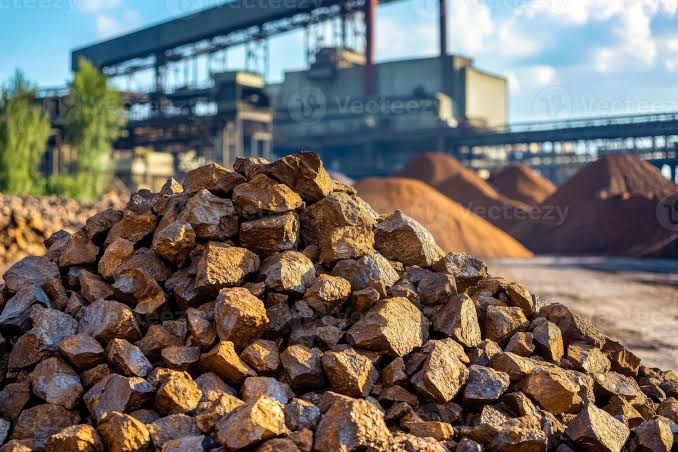
Sweden is moving forward with a major industrial project designed to recover additional value from iron ore production. LKAB is developing an industrial park in Luleå that will focus on extracting phosphorus and rare earth elements from iron ore output.
The project aims to strengthen European access to critical raw materials while creating new industrial opportunities around mineral processing and resource recovery. A demonstration plant is expected to begin operations soon, with the broader development projected to create around 500 jobs.
For chemical and mineral traders, the project is significant because phosphorus and rare earth elements are important inputs across fertilizer, agriculture, electronics, energy and advanced manufacturing supply chains.
Turning Iron Ore Output Into New Resources
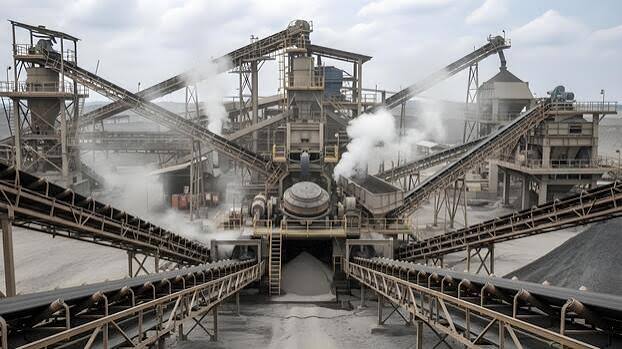
LKAB is one of Europe's major iron ore producers, with mining operations in northern Sweden. Its new approach seeks to recover additional minerals from material generated during iron ore processing rather than treating these streams solely as waste or low-value output.
Phosphorus is particularly important for the fertilizer industry. Phosphate-based fertilizers provide an essential source of phosphorus for agricultural production, making reliable access to phosphate resources an important part of food and agricultural supply chains.
Rare earth elements serve different applications across modern industries. They are used in areas such as permanent magnets, electric motors, electronics and renewable energy technologies.
Recovering both mineral groups from existing iron ore output could therefore connect the mining industry with several downstream markets.
Luleå Industrial Park Supports Mineral Processing
The planned industrial park in Luleå is designed to bring mineral recovery and processing activities together in one location. Luleå's existing industrial infrastructure and position in northern Sweden provide a foundation for developing additional mineral-processing capacity.
The project represents a move toward greater integration between mining and downstream processing. Instead of focusing only on iron ore, LKAB is seeking to extract additional commercial value from the same mineral resources.
This approach can also reduce the need to develop completely separate sources for certain critical raw materials.
Phosphorus Could Strengthen European Fertilizer Supply
Phosphorus is one of the three primary nutrients used in conventional agricultural fertilizers, alongside nitrogen and potassium. Phosphate-based fertilizers are therefore closely connected to global agricultural productivity.
Europe has historically depended heavily on imported phosphate resources and fertilizer products. Developing additional domestic sources could provide another supply option for European fertilizer producers.
The LKAB project could create a new connection between Europe's iron ore industry and its fertilizer raw-material supply chain.
For fertilizer traders and agricultural buyers, any additional European phosphorus supply could become relevant when evaluating sourcing origins, transportation costs and supply security.
Rare Earths Are Important to Advanced Industries
Rare earth elements include a group of metals with specialized physical and chemical properties. Several are important for technologies such as permanent magnets, electric vehicles, wind turbines and electronic equipment.
Global supply chains for rare earths are concentrated geographically, particularly in mining, separation and refining. This concentration has encouraged governments and industrial companies to seek additional sources and processing capacity.
LKAB's recovery project is part of a broader European effort to develop domestic critical-mineral value chains.
The ability to recover rare earth elements alongside iron ore could provide a more integrated resource model while supporting downstream industrial development.
Demonstration Plant Is an Important Step
Before a large-scale industrial operation can be developed, demonstration technology needs to prove that mineral recovery can work consistently and economically.
The planned demonstration plant in Luleå will provide an opportunity to test the recovery process under industrial conditions. Performance data from the facility can help guide subsequent investment and commercial-scale development.
For chemical and mineral markets, demonstration projects are important because they provide information about future supply potential without necessarily representing immediate commercial-scale production.
A More Circular Approach to Mineral Resources
The project also reflects a broader movement toward resource efficiency in the mining industry. Traditional mining operations often focus primarily on the main commodity, while secondary minerals may remain in processing streams.
Recovering additional elements can increase resource utilization and potentially reduce the amount of material requiring long-term handling.
This approach does not eliminate the environmental impacts associated with mining and mineral processing. However, extracting more usable materials from existing production streams can support more efficient use of mineral resources.
Potential Impact on Fertilizer Supply Chains
Phosphorus recovery could be particularly relevant to European fertilizer markets. Additional domestic feedstock could help fertilizer producers diversify their raw-material sourcing.
For chemical traders, the emergence of a European phosphorus source could create new procurement options over time. Buyers would still need to evaluate product specifications, processing capacity, pricing, logistics and regulatory requirements.
The project's commercial impact will depend on how successfully recovered phosphorus moves from the demonstration stage into consistent industrial production.
Opportunities for Chemical Traders
The development creates potential opportunities across multiple parts of the chemical supply chain.
Phosphorus: Recovered phosphorus could become a new European feedstock for fertilizer production.
Rare earths: Additional domestic mineral supply could support European processors and technology manufacturers.
Processing chemicals: Mineral separation and refining require specialized reagents, process chemicals and industrial inputs.
Logistics: New mineral-processing capacity can create demand for transportation, storage and handling services.
Downstream products: Fertilizer and advanced-material manufacturers could eventually gain access to additional European-origin raw materials.
For traders, monitoring the project's development can provide early insight into future supply opportunities.
European Supply Security Remains a Key Theme
Critical mineral supply chains have become increasingly important as industries expand renewable energy, electrification and advanced manufacturing.
Developing European sources can reduce reliance on distant supply chains, although domestic production alone cannot eliminate global supply dependencies.
The LKAB project illustrates how existing industrial resources can potentially contribute to this effort. By recovering additional minerals from iron ore output, the project could expand Europe's domestic resource base without relying exclusively on new standalone mining projects.
What Buyers Should Watch
Chemical, fertilizer and mineral buyers should monitor several milestones as the project develops.
Demonstration plant: Performance results will provide an indication of the technical viability of the recovery process.
Phosphorus output: Buyers should track future specifications, volumes and potential applications.
Rare earth recovery: Commercial-scale recovery could create additional European supply options for critical minerals.
Industrial park development: New processing infrastructure could generate opportunities for downstream manufacturers and chemical suppliers.
Employment: The broader development is expected to support around 500 jobs, creating additional industrial activity in the Luleå region.
Commercial scale-up: Future investment decisions will determine how quickly recovered minerals can enter European markets.
Looking Ahead
LKAB's Luleå development highlights a changing approach to mineral resources, where iron ore production can potentially provide more than one valuable commodity. Recovering phosphorus and rare earth elements could connect Sweden's mining sector with fertilizer, technology and critical-mineral supply chains.
The demonstration plant will be an important milestone in determining how the recovery technology performs under industrial conditions. If the project progresses toward commercial-scale production, it could create new European supply channels for materials that are strategically important to multiple industries.
For chemical traders and procurement teams, the development is a signal to monitor emerging European sources of phosphorus and other critical mineral inputs.
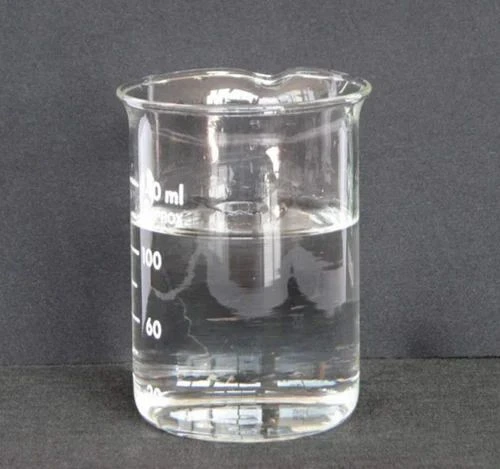
Phosphoric Acid (85%) (E338)
觉得有用吗?