Mexico: 50,000 Nm³/h Air Separation Unit Reaches Intermediate Handover
A major air separation project in Mexico has reached an important construction milestone. CNCEC-CC6 and Hangyang have completed the intermediate handover for Cryoinfra's 50,000 Nm³/h air separation cold box and atmospheric storage tank installation project.
The project is located in Mexico's northeastern industrial corridor and represents the first overseas project jointly undertaken by CNCEC-CC6 and Hangyang. The installation scope covers the main cold box and atmospheric storage tanks for the large-scale air separation facility.
The project remains under construction, with the latest milestone marking the completion of a major installation stage rather than commercial operation. Once completed and commissioned, the facility is expected to support industrial gas supply for customers in northeastern Mexico.
Large-Scale Air Separation Capacity for Mexico
The facility has a designed air separation capacity of 50,000 Nm³/h, placing it among the largest air separation units exported from China to the Mexican market.
Hangyang secured the original order in 2024 to provide the 50,000-level air separation equipment along with engineering design, equipment supply and installation services. The company said the project would represent the largest level of ASU equipment supplied to the Mexican market at that time.
Air separation units use cryogenic technology to separate atmospheric air into industrial gases. Oxygen, nitrogen and argon are among the primary products generated by these systems.
These gases support a wide range of industrial activities, including steelmaking, chemicals, refining, food processing, electronics and healthcare.
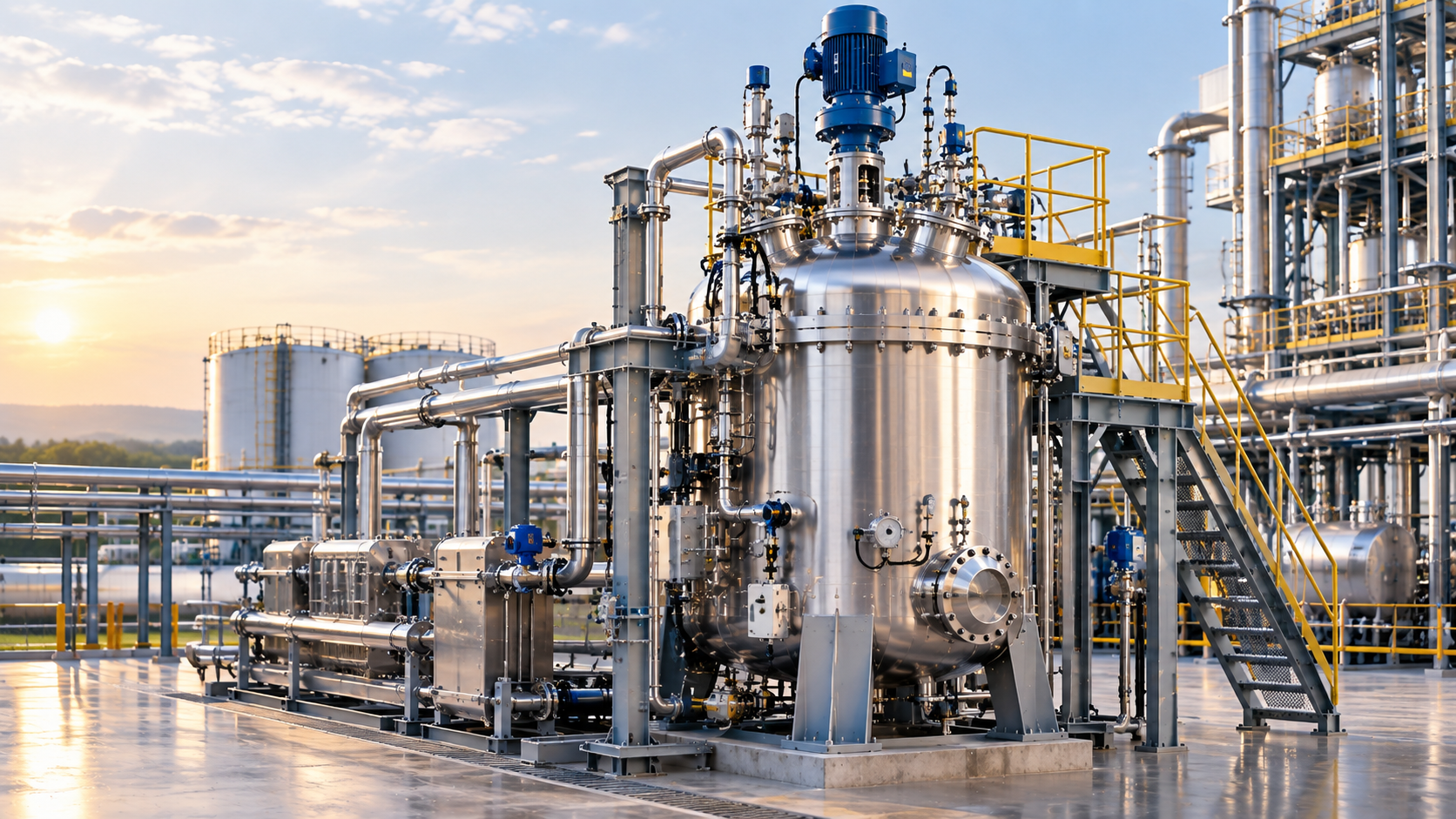
Cold Box and Storage Systems Form the Core Scope
The latest milestone focuses on two important parts of the installation.
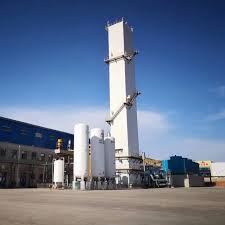
The first is the cryogenic cold box, which houses key equipment used in the low-temperature separation process. The second is the atmospheric storage system designed to hold liquid industrial gases.
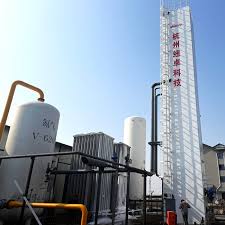
CNCEC-CC6's earlier project update reported installation progress on the cold box panels, main column sections and crude argon column. It also reported foundation work for a 7,000 m³ liquid oxygen storage tank and a 3,500 m³ liquid nitrogen storage tank.
These components are critical to the overall ASU system because the separation process requires sophisticated cryogenic equipment and appropriate storage infrastructure.
What an Air Separation Unit Produces
Air separation technology separates atmospheric air into individual gases based on their different boiling points.
Oxygen is widely used in steelmaking, metal fabrication, chemical processing and combustion applications. Nitrogen provides an inert atmosphere for chemical processing, food preservation, electronics manufacturing and industrial operations.
Argon has specialized applications in welding, metallurgy, electronics and other processes where an inert gas environment is required.
The availability of these gases at industrial scale can therefore support multiple manufacturing sectors within a regional economy.
Industrial Gas Demand in Northeastern Mexico
Mexico's northeastern region has an extensive industrial base covering manufacturing, chemicals, metals, energy and other heavy industries.
A large ASU can provide industrial gases either through pipeline supply or liquid distribution, depending on the operating model and customer requirements.
For industrial gas suppliers, new production capacity can strengthen regional supply networks and reduce the need to transport products over longer distances.
The Cryoinfra project is therefore relevant not only as an engineering construction milestone but also as part of the development of industrial gas infrastructure in Mexico.
Hangyang Expands Its International Footprint
The project also represents an important overseas milestone for Hangyang.
In 2024, Hangyang announced that its Mexico order included a 50,000-level ASU together with engineering, supply and installation services. The company highlighted its independently developed air compressors and booster equipment for the system.
The Mexico project gives Hangyang another opportunity to deploy large-scale air separation technology outside China.
For equipment suppliers, overseas ASU projects can create opportunities across engineering, manufacturing, installation and long-term technical services.
CNCEC-CC6 Builds Overseas Construction Experience
For CNCEC-CC6, the project is also significant because it is the company's first overseas project undertaken jointly with Hangyang.
Project execution required coordination between Chinese engineering teams, local personnel, international logistics providers and the Mexican project environment.
CNCEC-CC6 reported that the team used parallel visa and logistics planning, international quality controls and localized HSE practices during construction. It also reported a first-pass pipeline welding acceptance rate of 99.2% and said key equipment cleanliness, pressure testing and sealing indicators reached 100%.
The project demonstrates the level of coordination required to install large cryogenic equipment in an international market.
Importance of Cryogenic Storage Capacity
Storage tanks are an essential part of an industrial gas infrastructure project.
Large liquid oxygen and nitrogen tanks allow gases produced by the ASU to be stored in liquid form before distribution to customers. Storage can provide greater flexibility between production rates and customer demand.
The previously reported 7,000 m³ liquid oxygen tank and 3,500 m³ liquid nitrogen tank illustrate the scale of the supporting infrastructure being installed at the project site.
For industrial gas markets, storage capacity can also strengthen supply reliability during changes in demand or temporary maintenance periods.
Opportunities for Industrial Suppliers
Large ASU projects create demand beyond the primary equipment package.
Cryogenic equipment: Cold boxes, columns, compressors, heat exchangers and related components form the core technology package.
Storage infrastructure: Large liquid-gas storage tanks require specialized engineering, valves, instrumentation and safety systems.
Industrial chemicals: Water treatment, cleaning and maintenance operations can create demand for a range of industrial chemicals.
Pipelines: Distribution infrastructure is required to transport industrial gases between production facilities and customers.
Instrumentation: Temperature, pressure, flow and gas-quality monitoring systems are essential for safe and efficient operation.
Maintenance services: Cryogenic facilities require specialized inspection, maintenance and technical support throughout their operating life.
For chemical traders and industrial suppliers, these supporting requirements can create commercial opportunities around large industrial gas investments.
Impact on Regional Industrial Supply
Once commissioned, the ASU is expected to strengthen Cryoinfra's ability to supply industrial gases to customers in Mexico.
Cryoinfra operates industrial gas facilities across Mexico and supplies products including oxygen, nitrogen, argon, carbon dioxide and hydrogen in gaseous and liquid forms.
Additional production capacity can support customers that require reliable access to industrial gases close to their manufacturing operations.
This is particularly relevant for heavy industries where oxygen and nitrogen consumption can be substantial and transportation costs can influence procurement decisions.
Project Status After Intermediate Handover
The September 2026 intermediate handover marks a significant construction achievement, but it should not be confused with final commissioning or commercial start-up.
The latest project tracking information continues to classify the Cryoinfra 50,000 Nm³/h ASU as under construction. The completed installation stage provides a foundation for subsequent testing, commissioning and operational activities.
For buyers, this distinction is important. New production capacity should not be treated as immediately available until the facility completes commissioning and begins commercial operations.
What Buyers Should Watch
Industrial gas buyers and chemical procurement teams should monitor several milestones as the project progresses.
Commissioning: The transition from construction to testing and commissioning will determine when the facility can begin supplying gases.
Production ramp-up: Initial operating performance will indicate how quickly the new capacity can reach stable production.
Oxygen availability: Additional oxygen supply could support metallurgy, steelmaking and chemical processing customers.
Nitrogen supply: Nitrogen capacity can support chemical, food, electronics and manufacturing applications.
Argon production: Argon availability will be relevant to welding, metallurgy and specialized industrial applications.
Distribution network: Storage and transportation infrastructure will influence how efficiently gases reach regional customers.
Maintenance services: The facility will create ongoing requirements for cryogenic equipment maintenance and industrial support.
Looking Ahead
The intermediate handover of Cryoinfra's 50,000 Nm³/h air separation project represents a significant step in the development of industrial gas infrastructure in Mexico.
The project combines Hangyang's air separation technology with CNCEC-CC6's international installation capabilities. Its cold box and atmospheric storage systems form the foundation for a large-scale facility designed to supply industrial gases to customers in the region.
For chemical traders and industrial procurement teams, the project provides an important signal about future oxygen, nitrogen and argon supply capacity in northeastern Mexico. The next major milestone will be commissioning and the eventual transition from construction into commercial operation.

Hydrogen Peroxide (35%) - Thailand
觉得有用吗?