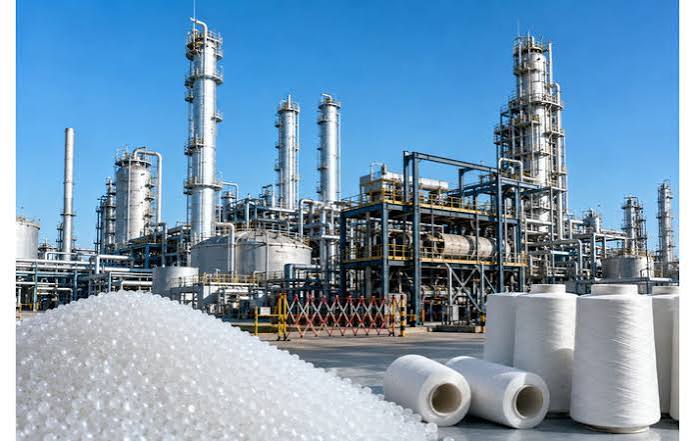
Paraxylene stays firm while PTA struggles
Paraxylene stays firm while PTA struggles
Paraxylene (PX) has remained relatively firm across Asian markets in recent weeks, supported by heavy maintenance, tighter regional supply and improved processing margins. Downstream purified terephthalic acid (PTA), by contrast, continues to face pressure: Chinese operating rates have fallen, converter buying stays cautious, and the spread between firm PX costs and softer PTA realisations is squeezing producer margins. The divergence is reshaping short-term economics along the polyester chain just as the market looks toward the winter textile season.
PX Fundamentals: Tight Supply, Wider Spreads
A wave of turnarounds in China and India removed significant PX capacity through the second and third quarters. Combined Chinese outages alone took more than 3.5 million tonnes of annual capacity offline at various points, with regional production losses estimated in the low millions of tonnes across Q2 and Q3. The resulting tightness lifted spot PX values; average CFR China prices rose sharply month-on-month in September, and the PX-naphtha spread widened to levels last seen earlier in the year—comfortably above typical breakeven thresholds. Firm upstream energy prices added further cost support.
PTA’s Weaker Position
While PX found support, PTA markets have struggled to pass higher feedstock costs fully downstream. Chinese PTA operating rates declined as feedstock constraints, planned shutdowns and weak margins prompted run cuts. Converters have preferred to work down existing inventories rather than restock aggressively at higher numbers. The result is a classic margin squeeze: PX stays firm while PTA prices lag, leaving integrated and standalone PTA producers with narrower conversion spreads.
Polyester Chain Implications
Further downstream, polyester staple fibre and related products have shown mixed behaviour—some grades holding steady while others remain under pressure. When feedstock costs rise faster than fibre prices, manufacturers face the choice of absorbing the hit or reducing operating rates. Any sustained cutbacks in PTA or polyester output would eventually tighten intermediate and fibre supply, potentially supporting a later recovery. For now, the chain is characterised by firm upstream PX, pressured mid-stream PTA, and cautious downstream sentiment.

Regional Supply Factors
India’s polyester sector has maintained relatively high run rates, but planned refinery and petrochemical maintenance, including phased work at major complexes, has limited feedstock availability at times. In China, the combination of earlier heavy turnarounds and subsequent cautious restarts has kept the PX balance tighter than the PTA balance. Import flows and arbitrage opportunities continue to respond to these regional differentials.
What Traders and Buyers Are Watching
Key variables in the coming weeks include the pace at which Chinese PTA units return from maintenance, the strength of actual textile demand into the winter season, and whether crude and naphtha prices remain elevated. A sustained recovery in PTA operating rates without a matching increase in PX supply could eventually pressure the PX-naphtha spread. Conversely, continued PTA weakness would keep the mid-stream margin under strain even if PX stays supported by energy markets and residual tightness.
Outlook
Paraxylene’s firmness reflects real supply discipline and cost support; PTA’s struggles reflect the difficulty of translating those costs into downstream prices while inventories and operating rates adjust. The divergence is typical of a chain in transition between maintenance-driven tightness and demand-led restocking. Until PTA margins recover or PX supply loosens materially, the polyester intermediate complex is likely to remain split—firm at the top, under pressure in the middle—with implications for both producer profitability and buyer procurement strategies across Asia.
Sources

Ferrous Sulphate Heptahydrate (Recycled) - China
觉得有用吗?