Petkim Selects Technip Energies for Ethylene Cracker Licensing and FEED in Türkiye
Petkim has selected Technip Energies to provide technology licensing and front-end engineering design (FEED) for a proposed integrated petrochemical complex at Aliağa, Türkiye, advancing plans to expand the country's domestic production of ethylene and key polymers. The September 29, 2026 announcement covers a world-scale mixed-feed steam cracker and downstream polyethylene and polypropylene facilities. <Cite refs={["turn558991search0","turn558991search1"]}/>
The proposed complex includes an ethylene production capacity of approximately 1.2 million tonnes per year, alongside 550,000 tonnes of propylene capacity. Its downstream units would add 850,000 tonnes per year of high-density and linear low-density polyethylene, plus 550,000 tonnes of polypropylene capacity. <Cite refs={["turn558991search3","turn558991search4"]}/>
For petrochemical traders, polymer distributors, importers and procurement managers, the project could reshape sourcing opportunities across Türkiye and nearby markets. However, the contracts cover licensing and engineering rather than construction, and Petkim must still make a final investment decision before the proposed complex can move into full project execution.
What Petkim and Technip Energies Have Agreed
Petkim, a subsidiary of SOCAR, has engaged Technip Energies for the technology license for a mixed-feed ethylene cracker, together with the Process Design Package (PDP) and FEED services for the integrated complex. These activities will establish the technical design and help assess the project's commercial and engineering requirements before a final investment decision. <Cite refs={["turn558991search0","turn558991search1"]}/>
The work forms part of Petkim's broader Master Plan, which aims to increase petrochemical production and strengthen the integration of Türkiye's refining and chemical industries.
The proposed development includes three major production components:
Mixed-feed steam cracker: Designed for approximately 1.2 million tonnes of ethylene and 550,000 tonnes of propylene annually.
Polyethylene complex: Planned capacity of 850,000 tonnes per year, divided between two production trains of 425,000 tonnes each for high-density polyethylene (HDPE) and linear low-density polyethylene (LLDPE).
Polypropylene plant: Designed to produce approximately 550,000 tonnes annually, integrated with the new cracker.
The combined design creates a connected production chain, from hydrocarbon feedstocks through basic petrochemicals to finished polymer resins. This integration can support coordinated production planning and improve access to the intermediates required by downstream manufacturers.
Why a Mixed-Feed Ethylene Cracker Matters
An ethylene cracker converts hydrocarbon feedstocks into smaller molecules used in petrochemical manufacturing. Ethylene and propylene are two of the most important outputs because they serve as building blocks for polyethylene, polypropylene and numerous other chemical products.
A mixed-feed cracker can process different hydrocarbon feedstocks, depending on its design and operating capabilities. These may include naphtha, liquefied petroleum gas (LPG) and other suitable hydrocarbon streams, providing a degree of flexibility when feedstock economics change.
That flexibility matters in a market where feedstock costs can determine the competitiveness of petrochemical producers. The relative prices of crude oil derivatives, natural gas liquids and other inputs vary across regions, influencing the economics of ethylene and propylene production.
For Petkim, the proposed technology could help align cracker operations with available feedstocks and market conditions. Actual flexibility will depend on the final design, permitted feedstock combinations, plant operating limits and the commercial availability of suitable inputs.
A world-scale cracker also creates the foundation for integrated downstream production. Instead of relying exclusively on purchased intermediates, a producer can potentially supply its own polymer units with ethylene and propylene generated within the complex.
How the Project Could Change Türkiye's Polymer Supply
Türkiye has an established plastics processing sector serving packaging, construction, automotive manufacturing, consumer goods and industrial applications. These industries depend on reliable supplies of polymer resins, including polyethylene and polypropylene, to manufacture finished products for domestic consumption and export.
Petkim's proposed expansion could strengthen local access to these materials if the project proceeds to construction and reaches its planned operating capacity. The additional output may also give distributors and converters more opportunities to source polymers from a domestic producer rather than relying entirely on imported material.
The potential benefits extend across several parts of the value chain:
Packaging manufacturers: Additional HDPE, LLDPE and polypropylene supply could support producers of films, containers, closures and other packaging products.
Construction suppliers: Polyethylene and polypropylene are used in pipes, fittings, insulation-related applications and other building materials, subject to grade requirements.
Automotive manufacturers: Polypropylene and selected polyethylene grades serve applications such as interior components, protective packaging and industrial parts.
Plastic converters: Greater domestic production could create additional sourcing options for manufacturers that need consistent resin specifications and dependable delivery schedules.
The extent of import substitution will depend on actual production, product grades, pricing and the needs of local converters. Even if the complex reaches its planned capacity, Türkiye will continue to trade polymers internationally because different applications require different grades and specifications.
What Petrochemical Traders and Importers Should Monitor
The proposed complex creates a potential future supply development, but procurement teams should distinguish between planned capacity and material that is commercially available. Licensing and FEED are essential project stages, yet they do not confirm that construction has started or that production will begin on a particular date.
Traders should follow the project's progress through several indicators:
Final investment decision: Petkim's approval will determine whether the proposed complex advances beyond technical development into the next stage of execution.
Construction schedule: Once approved, the construction timeline will provide a clearer indication of when new ethylene and polymer capacity could enter the market.
Feedstock sourcing: The availability and cost of suitable hydrocarbons will influence operating economics and the competitiveness of the proposed complex.
Product specifications: Buyers should monitor the grades planned for the HDPE, LLDPE and polypropylene units, as not every grade suits every conversion process.
Commercial arrangements: Future announcements on sales channels, contracts and export availability will help buyers assess whether the additional output is accessible to their businesses.
Importers should continue to compare domestic and imported resin on a delivered-cost basis. Product price, freight, insurance, customs duties, payment terms and lead times can all influence the final sourcing decision.
The Importance of Feedstock Costs and Regional Competition
Petrochemical producers compete through a combination of feedstock economics, production efficiency, product quality and access to customers. The proposed mixed-feed cracker could give Petkim another route to strengthen its integrated production model, but its competitive position will depend on conditions when the facility operates.
Global polyethylene and polypropylene markets also respond to capacity additions in other regions. New production in the Middle East, Asia and North America can influence export availability and prices, while maintenance shutdowns and changes in demand can tighten supply temporarily.
For Türkiye, the project's commercial performance will depend partly on the relationship between imported feedstock costs and the selling prices of ethylene, propylene and downstream polymers. Exchange rates, financing costs, energy expenses and logistics will also affect profitability.
Chemical traders should therefore avoid assuming that additional domestic capacity will automatically reduce polymer prices. The outcome will depend on the balance between new supply, consumption growth, import competition and the operating performance of the integrated complex.
What the Project Means for Procurement Planning Through 2027
Petkim has allocated approximately $70 million for FEED studies, which are planned for completion by the end of 2027. The engineering work will help establish the technical, commercial and economic parameters needed for a potential final investment decision. <Cite refs={["turn558991search1"]}/>
For procurement managers, this period offers an opportunity to prepare for possible changes in regional supply without making premature assumptions about future availability. Buyers can review consumption forecasts, qualify alternative suppliers and identify the resin grades most important to their operations.
Businesses should also assess their exposure to imported polymers and the risks associated with long lead times. Maintaining relationships with multiple qualified suppliers can provide flexibility if market prices, shipping conditions or product availability change.
For traders, the proposed complex may eventually create opportunities to connect local producers with regional converters and international customers. However, those opportunities will become clearer as Petkim advances through engineering, investment approval, construction and commissioning.
The key commercial takeaway is that Petkim's agreement with Technip Energies represents a substantial technical milestone, not a completed capacity expansion. Buyers who track the project's progress while maintaining disciplined sourcing strategies will be better prepared to respond when the next development becomes clear.
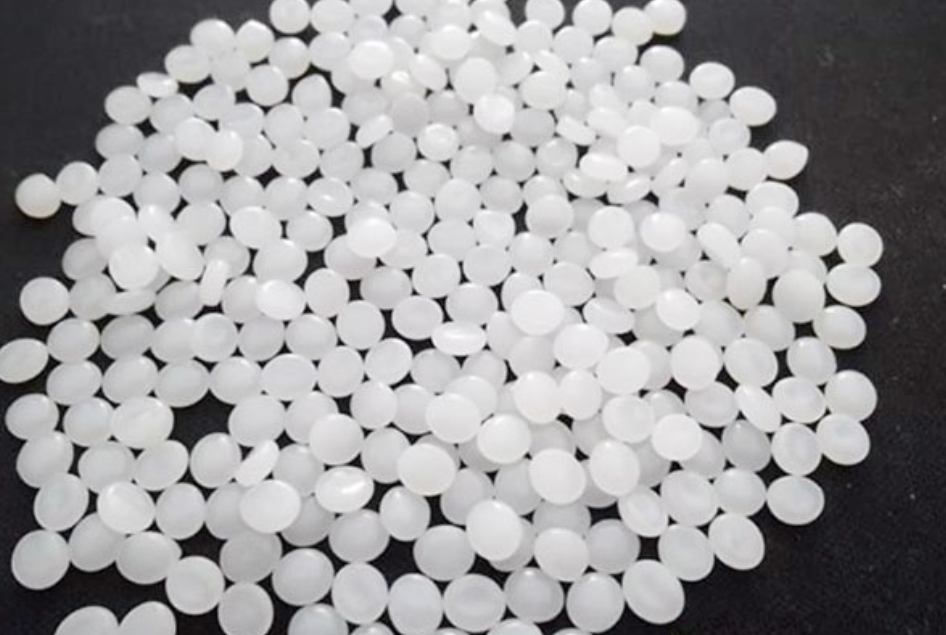
High Density Polyethylene (HDPE)
觉得有用吗?