TREMFYA Redefines Axial Psoriatic Arthritis Treatment as First IL-23 Inhibitor
The biopharmaceutical landscape recently witnessed a paradigm-shifting clinical milestone. TREMFYA (guselkumab) emerged as the first interleukin-23 inhibitor to successfully ease spinal pain in axial psoriatic arthritis trial data. This unexpected efficacy redefines treatment protocols for a condition previously resistant to this specific biological mechanism. Procurement managers and chemical traders must recognize the profound supply chain implications of this success. Expanding the approved indications for blockbuster biologics directly accelerates manufacturing scale-up requirements. The demand for high-purity raw materials and specialized bioprocessing excipients will inevitably surge. Buyers must proactively secure their supply chains to support this new era of advanced immunology therapeutics. Sustaining long-term clinical success requires robust and scalable biomanufacturing infrastructure. Market analysts project double-digit growth in the axial psoriatic arthritis segment over the next decade. This expansion will place unprecedented strain on existing chemical supply networks.
Clinical Breakthrough in Axial Psoriatic Arthritis Management
Axial psoriatic arthritis traditionally presents severe inflammatory spinal pain. Previous treatment algorithms relied heavily on tumor necrosis factor inhibitors. The recent trial data proves that targeting the interleukin-23 pathway yields significant clinical benefits.
TREMFYA demonstrated a remarkable ability to reduce spinal inflammation and improve patient mobility. This outcome validates the efficacy of precise cytokine inhibition in complex rheumatological conditions. Pharmaceutical companies will rapidly expand their biologic pipelines to capture this growing market segment.
Manufacturing facilities must scale production capacities to meet this expanding patient population. Procurement teams face immediate pressure to source critical raw materials without compromising stringent quality standards. The shift toward earlier intervention in disease progression further amplifies the volume requirements for these specialized therapies. Health systems globally are preparing to integrate this new standard of care into their formularies.
Supply Chain Demands for Advanced Biologic Manufacturing
Producing monoclonal antibodies involves highly complex and sensitive biological processes. Each batch requires strict environmental controls and premium-grade chemical inputs. The transition from clinical trials to commercial scale magnifies supply chain vulnerabilities.
A single shortage of a critical reagent can halt entire production runs. Buyers must establish redundant sourcing strategies for essential cell culture media components. Relying on a single geographic supplier introduces unacceptable operational risks.
Quality assurance protocols demand comprehensive traceability from raw material extraction to final vial. Vendors must provide exhaustive certificates of analysis for every shipment. Biopharmaceutical companies will increasingly mandate on-site audits to verify manufacturing hygiene and process consistency. The cost of a failed batch extends far beyond lost materials. It includes delayed clinical timelines and potential regulatory scrutiny.
Critical Raw Materials Driving Biopharmaceutical Production
Biologic manufacturing relies on a precise sequence of specialized chemical inputs. The viability of engineered proteins depends entirely on the purity of these foundational materials.
Citric Acid Monohydrate - China serves as a critical buffering agent in bioprocessing. It maintains the precise pH levels required for optimal protein stability and long-term viability. Consistent buffering prevents degradation during extended storage periods.
Sodium Bicarbonate Food Grade acts as an essential secondary buffer in cell culture media. It prevents drastic pH fluctuations during large-scale bioreactor fermentation processes. This stability is crucial for maximizing cellular yield.
Magnesium Sulfate Heptahydrate provides vital electrolytes that support cellular metabolism during manufacturing. Consistent mineral balance prevents premature cell death inside complex bioreactors. It also aids in the proper folding of synthesized proteins.
Polyacrylamide derivatives are increasingly utilized in advanced chromatography resins for protein purification. These materials ensure the high-purity isolation of target antibodies from complex fermentation broths. Efficient separation directly reduces downstream processing costs.
Refined Glycerine 99.7% Min USP BP functions as a crucial cryoprotectant during the freezing and storage of finished biologic products. It prevents ice crystal formation that would otherwise destroy delicate protein structures. This protection guarantees therapeutic efficacy upon patient administration.

Scaling Upstream Fermentation and Downstream Purification
The successful commercialization of interleukin-23 inhibitors requires massive upstream fermentation capacity. Bioreactors must operate at maximum efficiency to produce sufficient antibody titers. This demands highly optimized nutrient feeds and precise temperature control systems.
Downstream purification presents equally complex chemical challenges. Chromatography steps require specialized resins that can handle high flow rates without degrading. Buffer solutions must be prepared with absolute precision to maintain protein integrity.
Any inconsistency in these chemical inputs leads to batch rejection. Procurement teams must source these materials from vendors with proven track records in biopharma. The cost of quality failures far outweighs any minor savings on raw material purchases.
Navigating Regulatory and Compliance Landscapes
Regulatory agencies enforce stringent guidelines for all materials contacting human therapeutics. The FDA and EMA require exhaustive documentation for every chemical used in the biomanufacturing process.
Suppliers must adhere to current Good Manufacturing Practice standards without exception. Any deviation can trigger costly investigations and delay product releases. Procurement professionals must audit their vendor base for robust quality management systems.
Partners lacking transparent compliance records pose severe risks to the entire production pipeline. Environmental regulations also impact the disposal of biological waste generated during production. Chemical vendors must support sustainable disposal practices to align with corporate ESG goals. The industry is moving toward closed-loop manufacturing systems to minimize environmental impact.
Strategic Sourcing for Long-Term Manufacturing Stability
The groundbreaking trial data guarantees sustained market demand for TREMFYA and similar therapies. Procurement teams must shift from reactive purchasing to strategic long-term planning.
Negotiating multi-year supply agreements provides price stability and guarantees allocation during market shortages. This approach protects manufacturing schedules from unexpected supply disruptions. Buyers should prioritize vendors with proven scalability and global distribution networks.
The ability to deliver consistent quality across multiple manufacturing sites is a distinct competitive advantage. Investing in supplier development programs fosters innovation and continuous improvement. Collaborative partnerships drive down costs while elevating the quality of critical raw materials. Companies must also monitor geopolitical trends that could disrupt international chemical trade routes.
The Bottom Line for Procurement Teams
The unprecedented clinical data for TREMFYA signals a permanent shift in rheumatology treatment. Biologics are transitioning to address previously untreatable inflammatory pathways. This evolution places immense responsibility on chemical traders and procurement managers.
Your sourcing decisions directly impact the availability of life-saving therapies for patients worldwide. Proactive engagement with high-quality raw material suppliers is no longer optional. It is a fundamental requirement for participating in the advanced biopharmaceutical market.
Align your procurement strategy with the rigorous demands of modern biologic manufacturing. Secure your supply chain today to support the next generation of medical breakthroughs. The companies that adapt fastest will dominate the future of specialized chemical distribution.
Ready to source Citric Acid Monohydrate - China from verified global suppliers? Explore competitive offers on our platform today.
Source:
https://chemxplore.com/news/tremfya-guselkumab-axial-psoriatic-arthritis
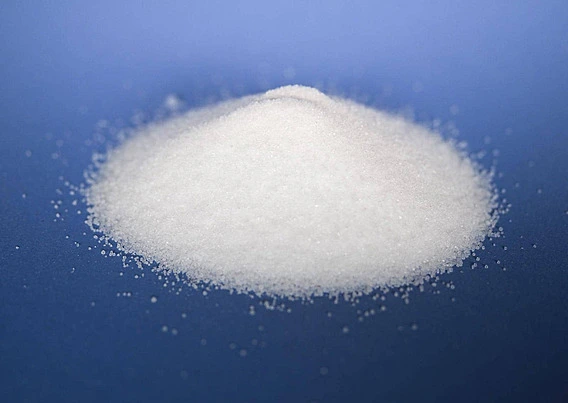
Citric Acid Monohydrate (E330)
觉得有用吗?