
Urea: Global Supply Trends, Industrial Applications and Market Demand in 2026
Urea: Global Supply Trends, Industrial Applications and Market Demand in 2026
Urea remains one of the most important nitrogen-based chemicals in global commerce, connecting fertilizer manufacturers, agricultural markets and industrial producers through an extensive international supply chain. Its availability affects crop production costs, fertilizer distribution and the manufacturing economics of several chemical products.
The global urea market depends heavily on natural gas availability, ammonia production, plant operating rates and international shipping conditions. The International Fertilizer Association estimated global urea production at approximately 200 million tonnes in 2024, with international trade reaching around 55 million tonnes. These figures demonstrate the scale of the market and the importance of reliable supply for importers and industrial buyers.
For chemical traders and procurement managers, urea offers opportunities across fertilizer and industrial markets. However, successful sourcing requires more than comparing supplier quotations. Buyers must evaluate production origins, product specifications, delivery schedules, freight costs and exposure to changing trade conditions.
What Is Urea and How Does Industrial Production Work?
Urea, chemically known as CO(NH₂)₂, is a nitrogen-rich compound that manufacturers produce by combining ammonia with carbon dioxide under controlled industrial conditions. Most commercial production facilities integrate urea synthesis with ammonia manufacturing to improve feedstock efficiency and manage operating costs.
Natural gas plays a central role in conventional production because manufacturers use it both as a hydrogen source for ammonia synthesis and as an energy input. Consequently, changes in gas prices can influence the cost of producing ammonia and urea, particularly in regions where natural gas accounts for a large share of manufacturing expenses.
Manufacturers generally supply urea in two main physical forms:
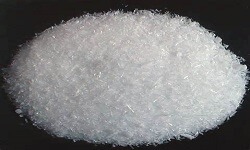
Granular urea: Larger particles offer useful handling characteristics for bulk fertilizer distribution, blending and agricultural applications.
Prilled urea: Smaller, rounded particles suit various fertilizer applications and certain industrial processes, depending on the buyer's specifications.
Industrial buyers should distinguish between agricultural-grade and industrial-grade material. Nitrogen content, biuret levels, moisture, particle size and other specification requirements can vary by application, so procurement teams should confirm the required grade before requesting quotations.
Global Urea Supply and Production Trends
Urea production concentrates in countries with access to natural gas, ammonia manufacturing capacity, established fertilizer industries and export infrastructure. China, India, Russia and several Middle Eastern countries play important roles in global production, although their domestic consumption and export availability differ.
Some major producers prioritize domestic agricultural demand, while others maintain export-oriented facilities that supply international markets. This distinction matters because a country with substantial production capacity does not necessarily offer the same volume of exportable material throughout the year.
Three factors shape global supply availability:
Feedstock economics: Producers with competitive natural gas supplies often benefit from lower manufacturing costs, while high gas prices can reduce margins or encourage temporary plant shutdowns.
Capacity additions: New production facilities and expansions can increase available supply, although commissioning schedules, maintenance and operating rates influence how quickly additional volumes reach buyers.
Domestic policy: Governments may adjust fertilizer export policies to protect local agricultural supply or manage domestic prices, changing the amount of material available to international customers.
The International Fertilizer Association's short-term market assessment reported approximately 200 million tonnes of global urea production in 2024. This large production base supports extensive fertilizer consumption, but buyers still face regional shortages when manufacturing interruptions or trade restrictions limit accessible supplies.
International Urea Trade and Major Supply Routes
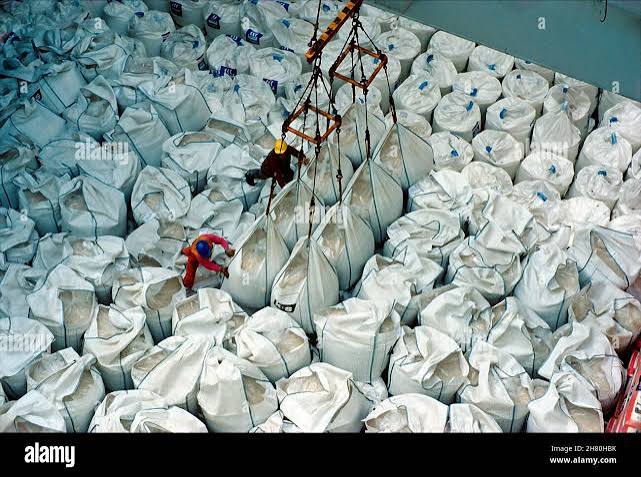
International trade helps connect countries with substantial urea production to agricultural markets that cannot meet their needs through domestic manufacturing. Middle Eastern exporters, Russia and other established producers supply buyers across Asia, Latin America, Africa and additional importing regions.
India, Brazil and the United States represent important import markets, while demand across other Asian and African economies also creates opportunities for international suppliers. Trade flows change according to planting seasons, fertilizer affordability, government procurement programs and the competitiveness of available cargoes.
The Middle East holds particular strategic importance because its producers supply international markets through established export terminals and maritime routes. Disruptions affecting this region can influence not only local availability but also freight schedules, insurance expenses and delivered prices in distant importing countries.
Recent supply disruptions have highlighted the vulnerability of fertilizer trade to geopolitical developments and shipping constraints. The World Bank's April 2026 Commodity Markets Outlook reported that restrictions affecting the Strait of Hormuz sharply reduced fertilizer exports from the Middle East, contributing to a significant increase in urea prices. The report also identified the region as a source of nearly one-quarter of global urea exports in 2024.
For traders, these developments reinforce the need to assess supply routes alongside supplier origin. A competitively priced cargo offers limited value if shipping delays, port restrictions or unexpected freight expenses undermine the delivery schedule.
Demand Across Agriculture and Industrial Sectors
Agriculture accounts for the largest share of global urea consumption. Its high nitrogen content makes it an important input for fertilizer products used to support crop growth, maintain soil nutrient availability and improve agricultural productivity.
Farmers and fertilizer manufacturers use urea across several agricultural segments:
Cereal production: Wheat, rice and maize cultivation creates substantial nitrogen fertilizer requirements because crop growth and expected yields influence application rates.
Commercial farming: Producers of vegetables, sugar crops and other agricultural commodities use nitrogen fertilizers according to crop needs, soil conditions and local farming practices.
Fertilizer blending: Manufacturers combine urea with other nutrient sources to produce formulations that meet specific agricultural requirements.
Bulk fertilizer distribution: Wholesalers and agricultural input distributors purchase urea for seasonal sales to farming businesses and regional retailers.
Demand typically strengthens around planting periods and fertilizer application windows. However, high prices, limited farm credit, weaker crop economics or reduced government support can encourage farmers to delay purchases or adjust application rates.
Urea also serves industrial markets, creating demand beyond conventional fertilizer consumption. Manufacturers use it in urea-formaldehyde resins and related formulations for wood panels, particleboard, plywood adhesives and other products. These applications connect urea demand with construction activity, furniture manufacturing and broader industrial production.
Additional uses include certain chemical formulations and emissions-control systems, where urea-derived solutions help reduce nitrogen oxide emissions from suitable combustion processes. Buyers must source the appropriate grade because material intended for fertilizer production may not satisfy the purity requirements of specialized industrial applications.
What Drives Urea Prices in Global Markets?
Urea prices reflect the interaction of manufacturing costs, export availability, seasonal demand and international logistics. Procurement teams that understand these factors can assess quotations more effectively and recognize when market conditions may justify adjusting purchasing schedules.
Natural gas and ammonia costs remain fundamental price drivers. When gas prices rise, ammonia manufacturers can face higher production expenses, which may increase urea production costs or reduce output from less competitive facilities.
Export restrictions and production outages can also tighten the market. If a major supplier reduces exports or a large plant suspends operations, buyers may compete for fewer available cargoes, particularly when alternative suppliers cannot deliver immediately.
Agricultural affordability influences purchasing behavior. Strong crop prices can support fertilizer demand, while weak farm margins can limit buyers' willingness to accept higher fertilizer costs.
Other important price influences include:
Ocean freight rates, port congestion and vessel availability.
Currency movements affecting import costs and supplier quotations.
Seasonal procurement cycles across major agricultural economies.
Inventory levels held by producers, distributors and importing governments.
Changes in trade policy, sanctions and regional security conditions.
The World Bank's April 2026 outlook described a sharp increase in urea prices following disruptions to Middle Eastern exports. It also identified natural gas costs, shipping constraints and possible export restrictions as significant market risks. These developments show why buyers should review the full delivered cost rather than relying exclusively on the supplier's quoted price.
Supply Chain Risks and Procurement Challenges
Urea buyers operate within a supply chain that connects feedstock producers, chemical plants, bulk terminals, shipping companies, importers, distributors and end users. A disruption at any major stage can affect delivery reliability or increase the cost of securing material.
Common procurement challenges include:
Supplier concentration: Depending on a limited number of suppliers or a single exporting region can expose buyers to production interruptions, export controls and transport disruptions.
Specification mismatches: Differences in particle size, nitrogen content, moisture and other quality parameters can create handling problems or make a shipment unsuitable for the intended application.
Delivery uncertainty: Port congestion, vessel delays, customs procedures and changing shipping conditions can disrupt planned inventory replenishment.
Price volatility: Long purchasing cycles and fixed-price commitments can create commercial risks when market prices move sharply before delivery.
Procurement teams can reduce these risks by qualifying alternative suppliers, reviewing certificates of analysis and confirming shipment documentation before dispatch. Buyers should also establish clear contractual terms covering specifications, inspection procedures, delivery windows, payment conditions and the handling of nonconforming material.
Storage requires similar attention. Urea should remain protected from moisture and contamination, with appropriate handling procedures to preserve product quality and reduce caking during storage and transportation.
Industrial Buyers, Sustainability and Regulatory Considerations
Industrial buyers should evaluate urea according to its intended use, applicable product specifications and relevant market regulations. Fertilizer applications may require different quality parameters from resin manufacturing or emissions-control uses, making grade verification essential during supplier qualification.
Documentation should support traceability and safe handling throughout the supply chain. Depending on the destination and application, buyers may need product specifications, safety data sheets, certificates of analysis, origin documentation and import paperwork.
Sustainability is also becoming an important consideration in nitrogen fertilizer supply chains. Conventional urea production relies on ammonia manufacturing, which can generate substantial greenhouse gas emissions, particularly when producers use fossil fuels without emissions controls.
Manufacturers can pursue lower-emission production through renewable hydrogen, improved energy efficiency, carbon capture and other process improvements. However, buyers should assess the actual production pathway and available emissions data instead of assuming that all products from a particular region have the same environmental profile.
Agricultural customers may also consider application efficiency, nutrient management and practices that reduce nitrogen losses. These factors can influence fertilizer purchasing strategies as producers seek to balance crop productivity, operating costs and environmental performance.
Urea Market Outlook and Sourcing Priorities for 2027
Global urea demand will continue to depend on agricultural production requirements, fertilizer affordability and industrial consumption. Meanwhile, new production capacity may improve supply availability over time, provided plants operate reliably and producers can deliver material to international markets.
The pace of market normalization will depend on energy costs, regional security, shipping access and export policies. Additional capacity cannot immediately resolve every supply shortage if transport routes remain constrained or major producers prioritize domestic markets.
Procurement teams should prepare for several possible market conditions:
Improved supply availability: Additional production and smoother trade flows could expand supplier options and ease pressure on delivered prices.
Continued market volatility: Energy price changes, seasonal demand and regional disruptions could keep quotations and freight expenses unpredictable.
Greater focus on supply resilience: Buyers may diversify origins, qualify additional manufacturers and hold strategically appropriate inventory to protect production schedules.
A practical sourcing strategy should combine regular market monitoring with supplier qualification and transparent landed-cost calculations. Buyers should compare product quality, payment terms, shipment timing and supplier reliability alongside the quoted price.
Urea remains essential to agricultural supply chains and important to several industrial manufacturing processes. For chemical traders, importers and procurement managers, a clear understanding of production economics, trade routes and application requirements can support better purchasing decisions as market conditions evolve.
Urea (Granular) - Egypt
觉得有用吗?