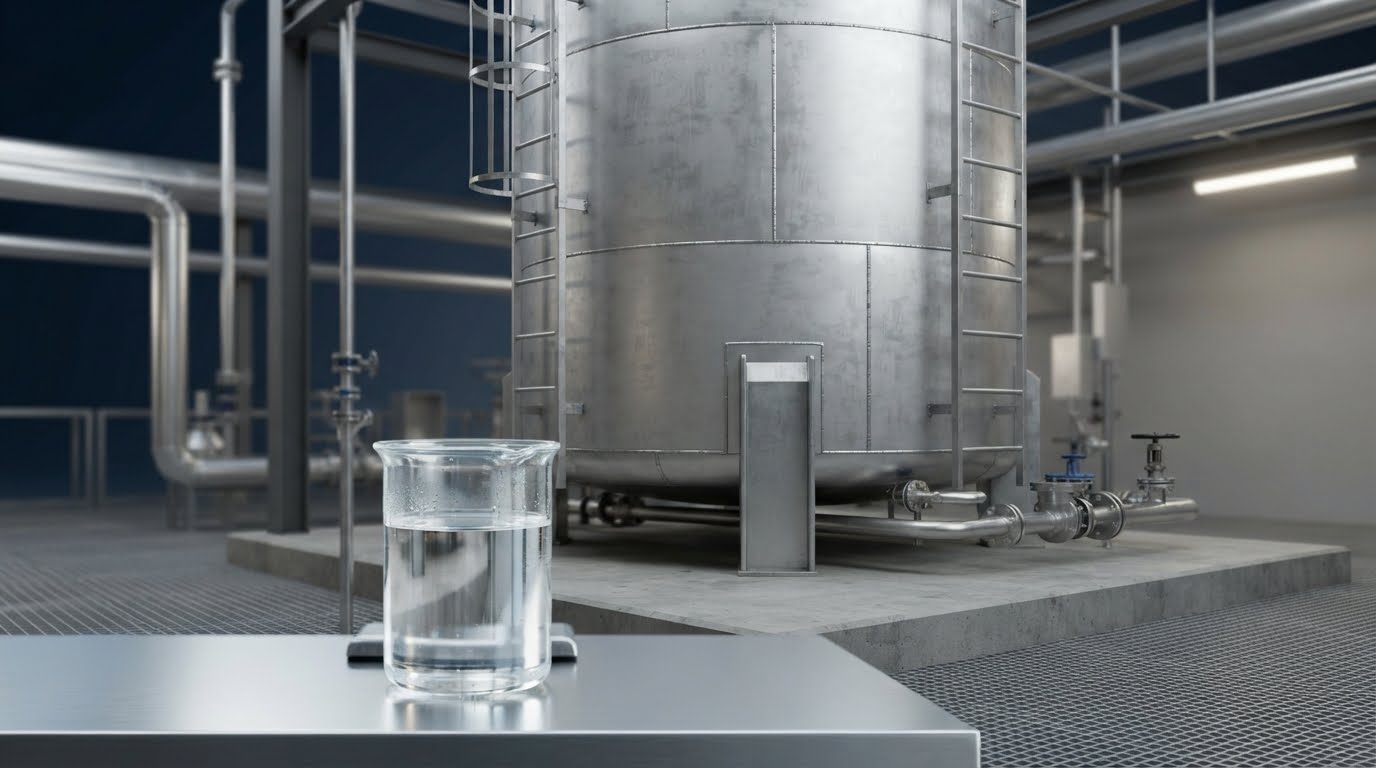
Vinyl Acetate Monomer: Industrial Uses and Market Outlook
Vinyl Acetate Monomer (VAM) is an important building block in the global chemical industry. Manufacturers use this versatile chemical to produce polymers and copolymers that support applications across adhesives, paints, coatings, packaging, textiles and construction materials.
Its importance comes from its ability to form different polymer structures with useful properties such as adhesion, flexibility, film formation and durability. As industries continue to require reliable materials for manufacturing and packaging, VAM remains an important raw material for chemical producers and downstream manufacturers.
For chemical traders, importers and procurement managers, understanding Vinyl Acetate Monomer uses, production processes and market developments helps support better sourcing decisions. Supply availability, product specifications, transportation requirements and downstream demand all influence purchasing strategies.
What Is Vinyl Acetate Monomer and How Is It Produced?
Vinyl Acetate Monomer, commonly known as VAM, is an organic chemical compound with the molecular formula C₄H₆O₂ and CAS number 108-05-4. It appears as a colorless, volatile liquid and has a characteristic fruity odor.
VAM serves primarily as a raw material for manufacturing polymers. Chemical manufacturers use polymerization processes to convert the monomer into materials with different physical and functional characteristics.
Understanding the Production Process
Industrial manufacturers generally produce VAM through the catalytic reaction of ethylene, acetic acid and oxygen. The process takes place under controlled conditions using a catalyst, commonly based on palladium.
The main production stages include:
Raw material preparation: Manufacturers prepare ethylene, acetic acid and oxygen for the production process.
Catalytic reaction: The raw materials react in a controlled reactor to produce vinyl acetate.
Product separation: The reaction mixture undergoes separation to recover VAM and remove unreacted materials.
Purification: Manufacturers refine the product to meet the required commercial specifications.
Storage and distribution: The finished chemical moves into suitable storage systems before transportation to industrial customers.
Product quality depends on manufacturing controls and the specifications required by downstream applications. Buyers should review purity, inhibitor content, moisture levels and other relevant technical parameters before purchasing.
Important Chemical Characteristics
VAM has several characteristics that influence its industrial handling and applications.
Molecular formula: C₄H₆O₂
CAS number: 108-05-4
Molecular weight: approximately 86.09 g/mol
Physical appearance: Colorless liquid
Boiling point: approximately 72 to 73°C
Flash point: approximately -8°C
Its volatility and flammability make appropriate storage, transportation and handling procedures essential.
Major Industrial Applications of Vinyl Acetate Monomer
The importance of VAM comes from its role in manufacturing several commercially valuable polymers. These materials serve different industries and support a wide range of industrial and consumer products.
1. Adhesives and Sealants
Adhesives represent one of the major application areas for VAM-derived polymers.
Manufacturers use VAM to produce polyvinyl acetate (PVAc) and vinyl acetate-ethylene (VAE) emulsions. These materials provide useful bonding characteristics for woodworking, paper packaging, construction products and general-purpose industrial adhesives.
Common applications include:
Woodworking and furniture adhesives.
Paper bonding and carton manufacturing.
Packaging and paper lamination.
Construction adhesives.
Industrial bonding formulations.
Demand from these industries makes adhesive manufacturing an important part of the VAM supply chain.
2. Paints and Protective Coatings
VAM-based polymers contribute to the production of water-based paints and coatings.
Polyvinyl acetate and VAE emulsions help manufacturers develop formulations with suitable adhesion, film formation and flexibility. These characteristics support applications in architectural paints, interior coatings and construction-related products.
Manufacturers also use VAM-derived materials in coatings for paper and other flexible substrates.
3. Packaging and Polymer Films
Packaging manufacturers use several VAM-derived polymers to develop materials with specific performance characteristics.
Ethylene-vinyl acetate (EVA) supports flexible films, protective packaging and encapsulation applications. Polyvinyl alcohol (PVOH), another important downstream material, offers film-forming and barrier properties that support specialized packaging requirements.
VAM also contributes to the production of ethylene-vinyl alcohol (EVOH) through downstream chemical processes. EVOH provides gas-barrier properties for packaging applications.
4. Textile and Paper Industries
VAM-derived polymers support textile finishing, fabric treatment and paper manufacturing.
In textile production, these materials can improve fabric binding, coating performance and surface characteristics. In paper manufacturing, they support coating, saturation and bonding processes.
These applications create additional demand from manufacturers seeking consistent performance in industrial materials.
VAM Derivatives and Their Role in Manufacturing
Vinyl Acetate Monomer has several important downstream derivatives. Each derivative offers different characteristics and serves specific manufacturing requirements.
Polyvinyl Acetate (PVAc)
PVAc is one of the most important polymers produced from VAM. Manufacturers use it extensively in adhesives, paints, coatings and paper-related applications.
Its bonding and film-forming properties make it useful in woodworking, packaging and construction materials.
Polyvinyl Alcohol (PVOH)
Polyvinyl alcohol is produced through the hydrolysis of polyvinyl acetate.
It offers water-soluble and film-forming characteristics. Manufacturers use it in specialty films, adhesives, textile processing and paper applications.
Ethylene-Vinyl Acetate (EVA)
EVA is a copolymer produced using ethylene and vinyl acetate.
Its flexibility and impact resistance make it useful in packaging films, footwear materials, cable insulation, foam products and photovoltaic encapsulation.
Vinyl Acetate-Ethylene (VAE)
VAE emulsions provide flexibility and adhesion for several water-based industrial formulations.
Their applications include construction materials, paints, coatings, adhesives and paper products.
Global VAM Market Drivers and Supply Chain Trends
The global Vinyl Acetate Monomer market connects petrochemical producers with manufacturers operating across multiple downstream industries.
Demand depends on the performance of construction, packaging, automotive, textile and manufacturing sectors. Changes in these industries can influence purchasing requirements and the availability of VAM in different regions.
Asia-Pacific's Important Market Position
Asia-Pacific plays a major role in the global VAM industry due to its extensive chemical manufacturing base and large downstream industrial sectors.
China, India, Japan and South Korea have established chemical and polymer manufacturing industries that contribute to regional demand and supply activity.
Several factors support the region's importance:
Expanding industrial manufacturing capacity.
Demand for adhesives and construction materials.
Growing packaging and polymer processing industries.
Established petrochemical production infrastructure.
Increasing requirements for specialty polymer materials.
For international buyers, regional production capacity and export availability can influence supplier selection and purchasing decisions.
Factors Influencing VAM Market Conditions
VAM purchasing costs depend on several interconnected market factors.
Ethylene prices: Ethylene is a major feedstock, so changes in its cost can influence VAM production economics.
Acetic acid availability: Feedstock availability and pricing can affect manufacturing costs.
Energy expenses: Industrial energy requirements influence production economics.
Plant operating rates: Production interruptions and maintenance activities can affect market availability.
Downstream demand: Adhesive, coating and packaging manufacturers influence purchasing volumes.
Freight and logistics: Shipping costs, container availability and regional transportation conditions affect delivered prices.
Procurement teams should monitor these factors together rather than evaluating supplier quotations based only on the product price.
Supply Chain, Storage and Procurement Considerations
VAM requires careful supply chain management because its chemical characteristics create specific transportation and storage requirements.
For importers and distributors, supplier reliability, product consistency and appropriate logistics arrangements are essential.

Supplier Evaluation
Before placing an order, buyers should evaluate suppliers using several important criteria:
Product specifications: Request technical data sheets and confirm the required purity and quality parameters.
Safety documentation: Obtain an updated Safety Data Sheet (SDS) and relevant handling instructions.
Supply consistency: Review the supplier's ability to fulfil regular and bulk requirements.
Packaging options: Confirm whether the supplier offers suitable bulk or containerized delivery arrangements.
Documentation: Check certificates of analysis, origin documentation and applicable shipping records.
Commercial terms: Compare payment conditions, minimum order quantities and delivery commitments.
A complete supplier evaluation helps reduce purchasing uncertainty and improves supply chain planning.
Safe Storage and Transportation
Vinyl Acetate Monomer is a highly flammable and volatile chemical. It can polymerize under unsuitable conditions, particularly when exposed to heat or light.
Buyers and logistics providers should consider the following precautions:
Store VAM in approved, properly closed chemical storage systems.
Maintain suitable ventilation and temperature controls.
Keep the product away from ignition sources.
Follow supplier instructions regarding inhibitor levels and storage conditions.
Separate the chemical from incompatible materials, including strong oxidizing agents, acids and bases.
Use suitable equipment and procedures for loading and unloading.
Ensure personnel receive appropriate chemical safety training.
Transportation arrangements must follow the applicable dangerous goods regulations and the product's current safety documentation.
Market Outlook and Future Opportunities for VAM
The outlook for Vinyl Acetate Monomer depends on continued demand from industries that use VAM-based polymers in everyday manufacturing.
Adhesives, coatings, construction materials and packaging remain important downstream application areas. Their performance and production requirements will continue to influence VAM purchasing activity.
Growth Opportunities in Packaging
Packaging manufacturers increasingly require materials that provide suitable flexibility, bonding and barrier performance.
VAM-derived EVA, PVOH and EVOH materials serve different packaging applications. These polymers support flexible films, specialized barrier structures and other functional packaging solutions.
Their use provides opportunities for manufacturers and suppliers serving packaging-related markets.
Construction and Infrastructure Demand
Construction remains an important consumer of adhesives, coatings and polymer-based materials.
VAM-derived PVAc and VAE products support applications in building adhesives, architectural paints and surface treatments. Construction activity and renovation requirements can therefore influence demand for these downstream products.
Procurement and Market Challenges
Despite its industrial importance, the VAM supply chain faces several commercial and operational challenges.
These include:
Volatility in petrochemical feedstock costs.
Changes in regional production capacity.
Transportation and storage requirements.
Competition between alternative polymer technologies.
Regulatory and chemical safety compliance.
Buyers who monitor these factors can make more informed sourcing decisions and develop stronger supplier relationships.
Key Considerations for Global Chemical Buyers
For chemical traders, importers and procurement managers, purchasing VAM requires more than comparing supplier quotations.
A reliable procurement strategy should consider product quality, commercial terms, supplier capability and transportation arrangements together.
Buyers should prioritize the following actions:
Verify technical specifications: Confirm product quality, purity and inhibitor requirements against the intended industrial application.
Compare qualified suppliers: Evaluate supplier experience, production capability and documentation.
Monitor feedstock trends: Follow ethylene and acetic acid market developments to understand potential cost movements.
Plan logistics carefully: Confirm appropriate packaging, transportation and storage arrangements before shipment.
Maintain supplier relationships: Develop reliable sourcing channels to support recurring purchasing requirements.
Understanding VAM's applications and supply chain requirements helps businesses manage purchasing risks and identify opportunities across the chemical trade.
As demand for polymer-based materials continues across packaging, adhesives, coatings and construction, Vinyl Acetate Monomer remains an important chemical building block for global manufacturing.
Styrene Monomer
觉得有用吗?