A roughly $1.3 billion enterprise-value acquisition is putting the US Gulf Coast back in focus as a strategic destination for international petrochemical capital. ENEOS Holdings' agreement to acquire TPC Group gives the Japanese energy company access to petrochemical operations in Houston plus terminal assets in Port Neches, Texas and Lake Charles, Louisiana.
For chemical traders, procurement managers and industrial buyers, the transaction is about more than ownership. It offers a window into how major energy companies are positioning themselves around advantaged US feedstocks, C4 chemicals, logistics infrastructure and supply security while the global petrochemical industry continues to work through oversupply and uneven demand.
Why the ENEOS–TPC Group Deal Matters
TPC Group operates within the petrochemical C4 value chain, giving ENEOS exposure to a segment closely connected with synthetic rubber, plastics and other industrial materials. ENEOS says the acquisition will strengthen its competitiveness in the C4 business while expanding its US operating base.
The transaction also arrives after a difficult period for petrochemicals. Discussions at WPC 2026 highlighted persistent global oversupply, weak market conditions and pressure for companies to improve efficiency even as supply disruptions temporarily changed price dynamics.
That combination makes the deal significant. ENEOS is not simply adding production capacity. It is acquiring a platform that combines manufacturing, storage and terminal access in one of the world's most important petrochemical regions.
US Gulf Coast Feedstock Advantages Remain a Strategic Asset
The US Gulf Coast continues to offer a combination of feedstock availability, established infrastructure and access to domestic and export markets. ENEOS specifically identified shale-based feedstocks, demand growth and the competitiveness of the US chemicals market as factors supporting its expansion.
For an international energy company facing structural challenges in its domestic market, these characteristics can support a different growth model. Rather than relying primarily on incremental demand in Japan, ENEOS can use US assets to participate more directly in global chemical trade.
The Gulf Coast also provides multiple transportation options. Production and terminal infrastructure can connect chemical flows across pipelines, rail, barges, trucks and marine logistics, creating commercial flexibility when individual routes become constrained.
For buyers, that infrastructure matters because reliable access can be as important as nominal production capacity. A competitively priced chemical that cannot move efficiently to its destination creates a very different procurement proposition from material supported by multiple logistics routes.
What TPC Group Adds to ENEOS's Portfolio
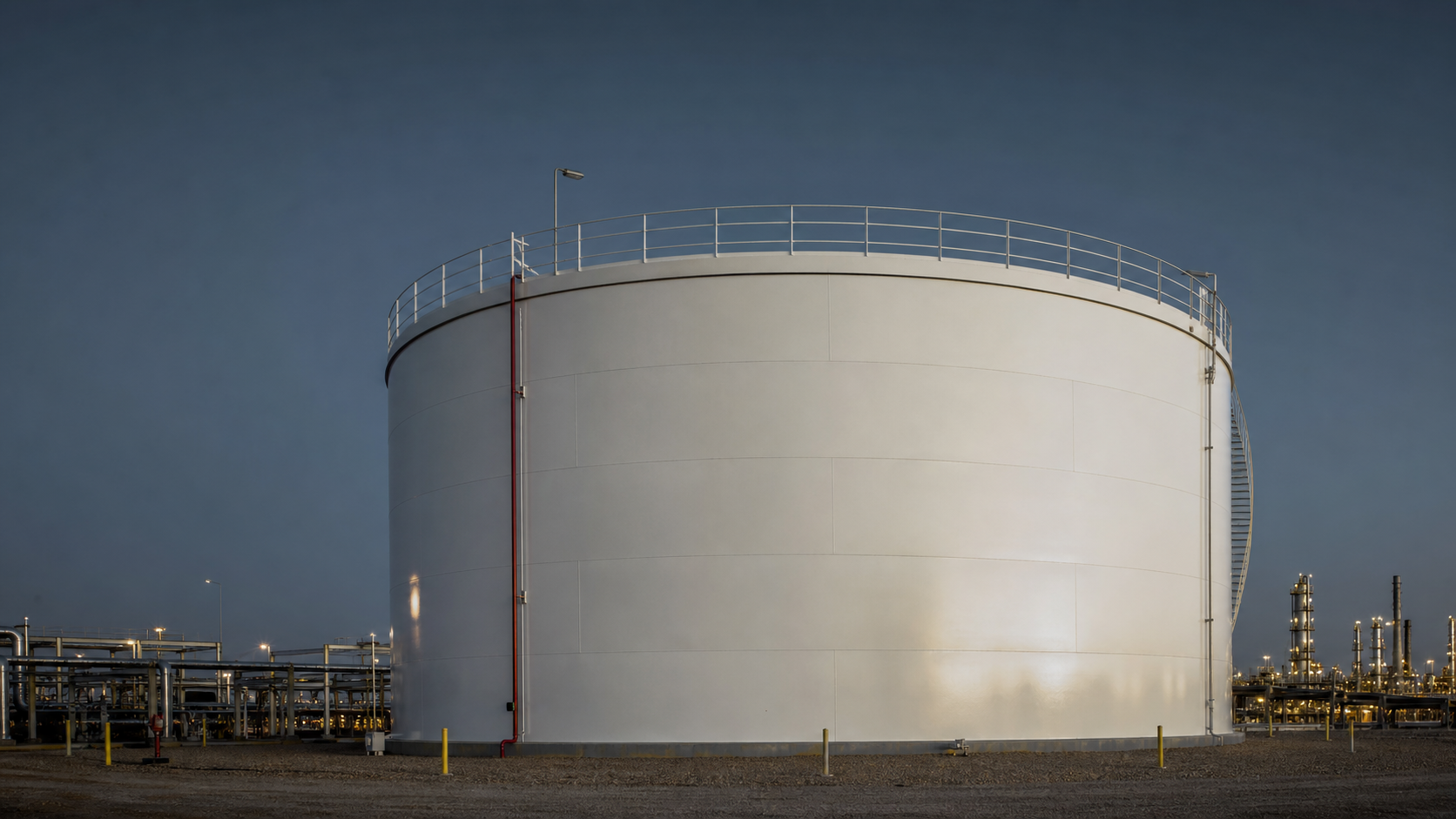
The transaction gives ENEOS a direct position in TPC Group's Houston petrochemical operations while adding terminal operations in Port Neches and Lake Charles. TPC Group says the acquisition is expected to support continued investment in its Gulf Coast operations and strengthen its position in the C4 value chain.
The physical footprint is important because storage and terminal assets can influence how producers manage inventory and respond to changing customer requirements. They can also provide strategic advantages when freight markets, port conditions or regional supply balances shift.
TPC Group has also developed sustainability credentials around its Houston operations. In 2025, the company completed its first ISCC-certified transaction involving 1,3-butadiene and indicated plans to expand certification across additional terminals and product lines.
The Deal Fits a Broader Japanese Expansion Strategy
ENEOS has been increasing its focus on international assets as it seeks to offset long-term structural pressure on domestic demand. Reuters reported that the company has also pursued major downstream assets outside Japan, with overseas revenue becoming an increasingly important part of its growth strategy.
The TPC transaction therefore fits a wider portfolio direction. ENEOS can combine its operational experience with assets located closer to major feedstock sources and large industrial markets.
Several strategic factors stand out:
International diversification: US petrochemical assets give ENEOS greater exposure to North American production and trading flows.
C4 positioning: TPC strengthens ENEOS's presence in a specialized petrochemical chain where supply-demand dynamics can differ from broader refining markets.
Infrastructure control: Production combined with terminal capacity can provide greater flexibility over storage, transportation and customer supply.
Feedstock access: US shale-derived feedstocks remain an important competitive feature for Gulf Coast chemical production.
This approach also shows how international energy companies can pursue growth without depending entirely on new greenfield projects. Acquiring an existing operating platform can provide faster access to established infrastructure, customers and logistics networks.
WPC 2026 Highlights Why Supply Resilience Matters
The timing of the acquisition is particularly relevant to the themes discussed at WPC 2026. Industry participants described a petrochemical market still dealing with oversupply, while geopolitical disruptions demonstrated how quickly feedstock and transportation risks can affect global chemical flows.
US Gulf Coast infrastructure became especially important during those disruptions. S&P Global reported that the Port of Houston experienced a 12% increase in chemical container exports in March as buyers looked toward US supply amid uncertainty elsewhere.
This does not eliminate market risk. Oversupply can continue to pressure margins after temporary disruptions fade, and WPC participants expected challenging conditions to remain after supply shocks normalize.
For procurement teams, the lesson is straightforward. Supply resilience increasingly has a commercial value alongside price.
What the Acquisition Could Mean for Chemical Buyers
The immediate transaction does not automatically change customer relationships or market pricing. TPC Group has stated that its operations, customer commitments and supplier relationships will continue while the transaction moves toward closing.
Over a longer horizon, however, new ownership could influence investment priorities, production efficiency and supply capabilities. ENEOS has said it intends to support continued investment in TPC's assets and downstream capabilities.
Buyers should therefore watch several developments rather than focusing only on the acquisition price:
Capacity utilization: Higher utilization could affect regional availability and export volumes for C4 products.
Maintenance and investment: New capital spending could improve reliability and operating performance over time.
Export strategy: ENEOS's international footprint could create new opportunities to connect US production with Asian and other overseas markets.
Terminal utilization: Expanded storage and logistics coordination could improve responsiveness to changing customer demand.
Product sourcing options: Greater integration could influence how traders structure supply contracts and regional inventories.
For importers and exporters, these factors could become more important as freight volatility and geopolitical risk remain part of global chemical procurement.
Why the C4 Value Chain Deserves More Attention
C4 chemicals occupy an important position in the industrial materials chain. 1,3-butadiene, for example, serves as a key raw material for synthetic rubber and several downstream products used across automotive, tire and industrial applications.
That makes the strategic control of C4 production relevant beyond the chemical itself. Changes in butadiene availability can influence downstream producers and buyers across multiple manufacturing sectors.
ENEOS's stated objective of strengthening its C4 competitiveness suggests that it sees value in building a stronger position across this chain rather than treating TPC as an isolated asset.
For traders, this can create opportunities as well as risks. A more strategically positioned producer may become a stronger participant in regional and international supply negotiations, while changes in production economics can affect spot availability and contract discussions.
US Infrastructure Could Attract More International Capital
The TPC transaction points toward a broader theme for the Gulf Coast: mature industrial infrastructure can become increasingly attractive when replacement costs, permitting timelines and supply chain uncertainty rise.
Building a new petrochemical complex requires substantial capital, long development periods and exposure to construction and permitting risk. Acquiring an established platform can give an international company immediate access to operating infrastructure and established logistics relationships.
The Gulf Coast's strategic importance also extends beyond traditional petrochemical economics. Recent disruptions have pushed chemical companies to reconsider how they balance affordability, reliability and security when making investment decisions.
This could support continued interest from international energy and chemical groups looking for assets that combine production capability with logistical connectivity.
What Buyers Should Do Now
Chemical procurement teams should treat the ENEOS–TPC transaction as a signal to reassess sourcing strategies rather than simply monitor the acquisition closing.
A practical approach includes:
Reviewing supplier concentration: Identify where procurement depends heavily on one producer, region or logistics route.
Tracking Gulf Coast availability: Follow operating rates, maintenance schedules and export activity across relevant C4 and downstream markets.
Evaluating logistics flexibility: Compare pipeline, rail, truck, barge and marine options where applicable.
Monitoring Asian demand: Changes in Asian production and import requirements can influence the direction of US petrochemical exports.
Maintaining alternative suppliers: Competitive offers from verified producers can provide leverage when market conditions shift quickly.
The transaction is expected to close in October 2026, subject to regulatory approvals and customary closing conditions. Until then, ENEOS and TPC Group will continue operating as separate companies.
The Bottom Line for Petrochemical Procurement
The ENEOS–TPC Group acquisition highlights a changing definition of strategic value in petrochemicals. Production capacity still matters, but access to feedstocks, terminals, logistics networks and international markets can make an asset significantly more attractive during periods of volatility.
For Japanese energy companies, the Gulf Coast offers an opportunity to diversify away from structurally weaker domestic demand while gaining exposure to a globally competitive petrochemical region. For buyers, the deal reinforces the importance of monitoring ownership changes, infrastructure investment and regional supply flows alongside conventional price indicators.
The broader message is clear: as the petrochemical industry moves between oversupply, geopolitical disruption and eventual market rebalancing, assets with strong feedstock economics and flexible logistics are likely to remain strategically valuable. Ready to source Acrylonitrile Butadiene Styrene (ABS) from verified global suppliers? Explore competitive offers on our platform today.