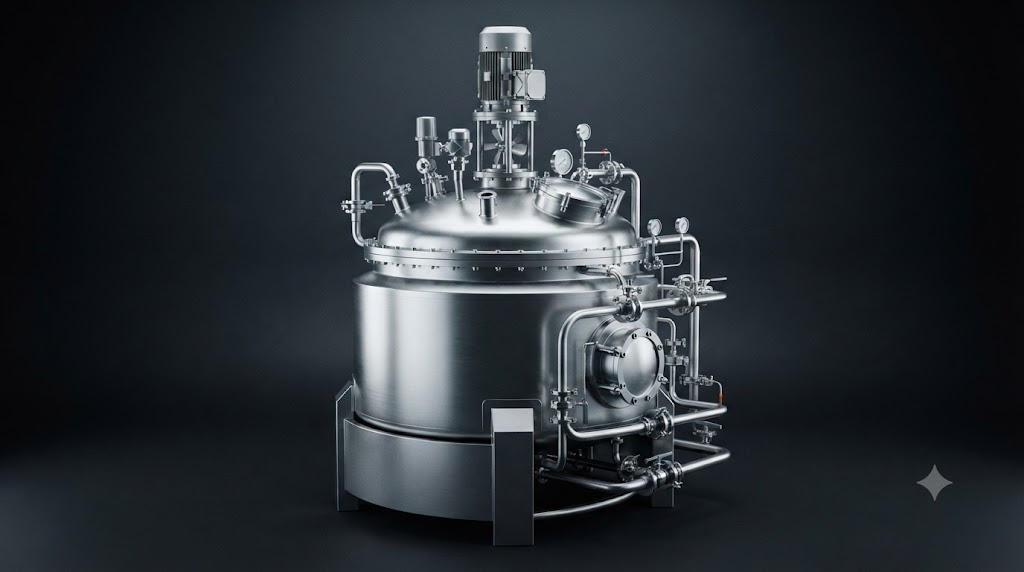
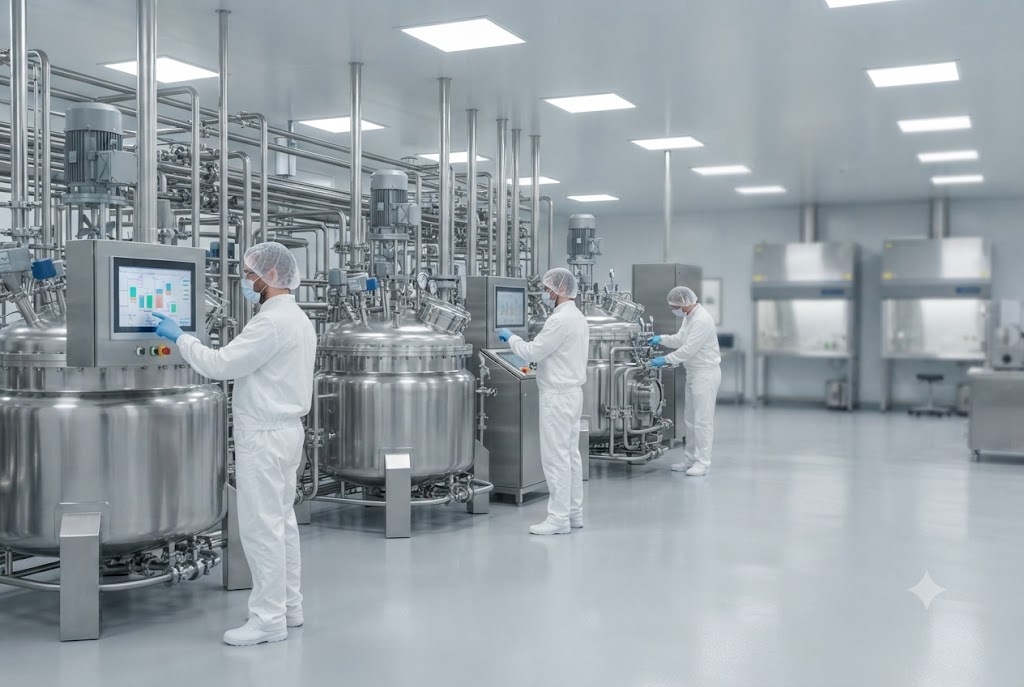
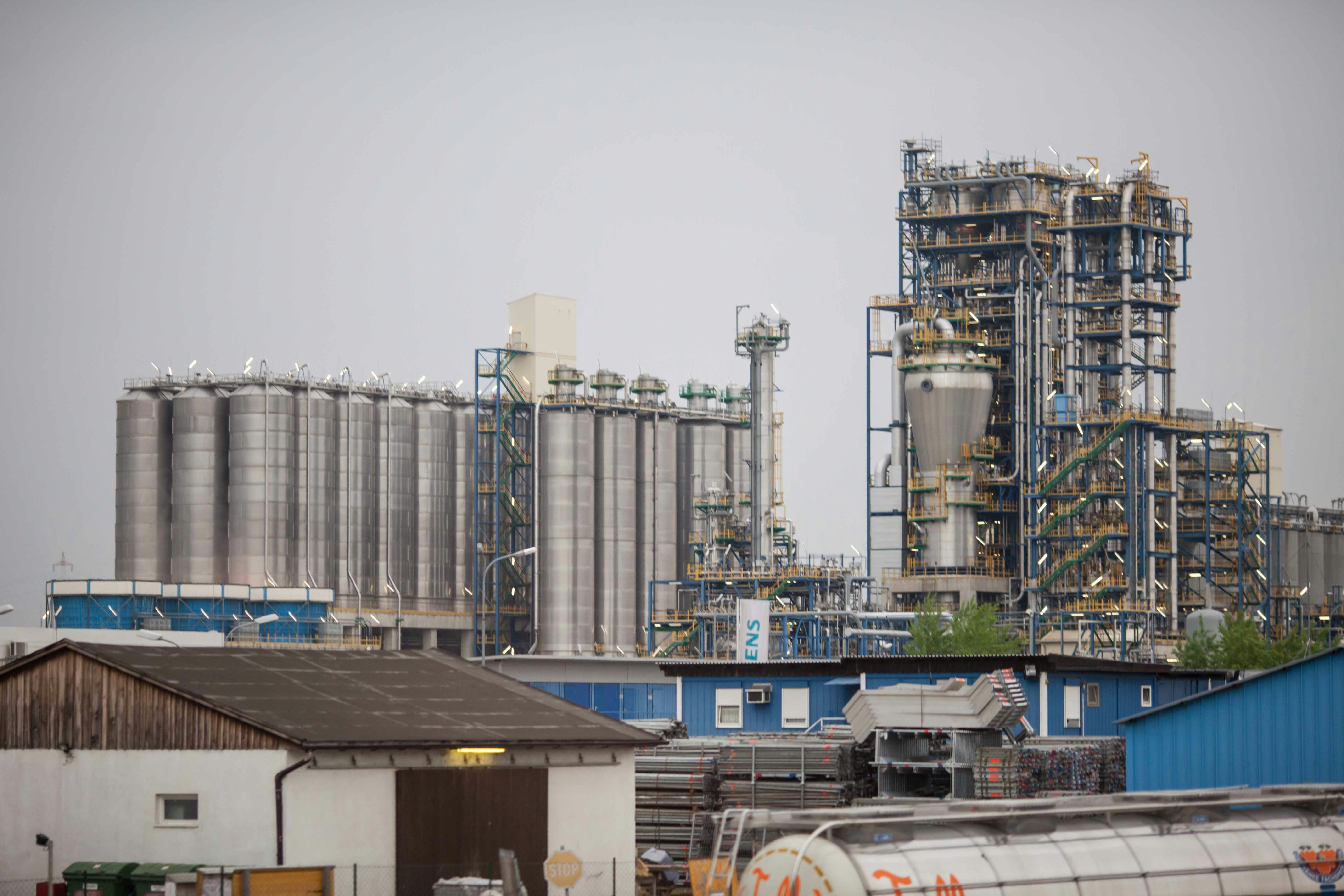
Evonik’s $100 million five-year plan includes upgrading large reactors central to active pharmaceutical ingredient production at its Tippecanoe Labs facility in Lafayette, Indiana, reflecting sustained capital commitment to domestic API manufacturing amid broader reshoring momentum. This targeted investment addresses critical equipment lifecycle needs while expanding capacity for complex small molecule synthesis that serves regulated drug markets globally. For pharmaceutical procurement teams and contract manufacturing partners, this upgrade signals supplier confidence in long-term US market viability beyond temporary policy incentives or pandemic-era urgency. The focus on core reaction infrastructure rather than peripheral systems demonstrates prioritization of throughput and yield improvements that directly impact commercial supply reliability. Buyers should interpret this multi-year commitment as evidence of operational discipline aligned with cGMP standards and customer quality expectations. Market participants now anticipate similar brownfield investments across domestic API sector as aging facilities require modernization to remain competitive against international alternatives. This evolution strengthens material security for North American drug manufacturers reducing dependency on overseas supply chains for mission-critical intermediates.
Strategic Rationale Behind Brownfield Reactor Modernization
Large reactors represent the rate-limiting constraint in batch chemical synthesis where vessel availability determines overall site throughput capacity. Aging equipment faces increasing maintenance frequency, unplanned downtime risk and regulatory scrutiny that erodes effective utilization rates over time. Proactive replacement restores design capacity while incorporating modern metallurgy and agitation designs improving heat transfer and mixing efficiency.
Brownfield upgrades offer superior capital efficiency versus greenfield construction by leveraging existing utilities, permits and workforce infrastructure. Site-specific engineering knowledge accumulated over decades enables faster execution timelines and lower integration risk compared to new-build projects requiring extensive commissioning. This approach delivers incremental capacity within two to three years rather than five to seven year greenfield schedules.
Regulatory continuity preserves valuable filing references and inspection history associated with established manufacturing sites. New facilities require complete revalidation and regulatory submissions for every product transferred, creating approval delays and documentation burdens. Upgrading equipment within existing validated envelopes maintains regulatory status while refreshing physical assets, accelerating commercial implementation timelines significantly.
Technical Capabilities Enabled by Modern Reactor Systems
Advanced reactor designs incorporate improved heat exchange surfaces enabling tighter temperature control during exothermic reactions critical to API quality attributes. Precise thermal management reduces impurity formation and improves yield consistency across batch cycles, directly impacting cost of goods and supply reliability. Enhanced cooling capacity also allows safer operation at higher concentrations increasing volumetric productivity.
Modern agitation systems provide uniform mixing throughout vessel volume eliminating dead zones that cause localized concentration gradients or incomplete reactions. Variable frequency drives enable optimized shear profiles matching specific process requirements rather than fixed mechanical configurations. This flexibility supports broader product portfolios within single assets improving capacity utilization across diverse API campaigns.
Integrated process analytical technology enables real-time monitoring of reaction parameters replacing offline sampling delays that extend cycle times. In-line spectroscopy and automated feedback loops adjust operating conditions dynamically maintaining optimal trajectories despite feedstock variability. Digital integration with manufacturing execution systems creates complete batch records automatically reducing documentation errors and release testing timelines.
Supply Security Implications for Pharmaceutical Buyers
Domestic API production reduces exposure to geopolitical disruptions, trade restrictions and logistics vulnerabilities affecting overseas supply chains. Recent experiences with export controls and shipping delays demonstrate fragility of extended global networks for mission-critical medicines. Local manufacturing provides buffer against external shocks while supporting national health security objectives embedded in recent legislation.
Equipment modernization directly translates to improved supply reliability through reduced unplanned downtime and higher effective capacity. Buyers dependent on Evonik-supplied APIs gain confidence in delivery commitments backed by refreshed asset base rather than aging infrastructure approaching end-of-life. Multi-year upgrade phasing ensures continuous production during transition periods avoiding supply gaps common in big-bang replacements.
Quality consistency improves alongside throughput gains as modern equipment reduces batch-to-batch variability drivers. Tighter process control minimizes out-of-specification events requiring costly rework or disposal that disrupt supply schedules. Regulatory compliance strengthens through updated systems meeting current cGMP expectations without remediation obligations attached to legacy installations.
Workforce Development and Operational Continuity
Equipment modernization requires parallel investment in operator training and technical skill development to realize full capability benefits. Advanced control systems and digital tools demand different competencies than traditional manual operations familiar to veteran workforce members. Structured knowledge transfer programs preserve institutional process knowledge while building proficiency on new platforms.
Retention of experienced personnel during transition periods ensures continuity of tacit knowledge not captured in standard operating procedures or validation documentation. Mentorship arrangements pairing senior operators with newer hires accelerate competency development and maintain safety culture integrity. Suppliers demonstrating proactive workforce planning reduce execution risk during technology adoption phases.
Cross-functional collaboration between engineering, operations and quality teams optimizes equipment specifications for actual production needs rather than theoretical capabilities. Early operator involvement in design reviews identifies usability issues and maintenance access concerns before fabrication commits costly changes. This participatory approach improves adoption rates and reduces post-installation modification expenses.
Regulatory Compliance and Change Management Protocols
Equipment upgrades trigger change control obligations requiring thorough assessment of potential impacts on product quality and regulatory filings. Risk-based evaluation determines whether modifications constitute like-for-like replacements or significant changes necessitating comparability studies and regulatory notifications. Transparent communication with customers regarding change classification and timeline expectations prevents approval surprises.
Validation master plans coordinate installation qualification, operational qualification and performance qualification activities across multiple reactor replacements phased over five years. Staged execution maintains production capacity while systematically qualifying new equipment under representative operating conditions. Concurrent validation batches generate stability data supporting regulatory submissions without dedicated campaign interruptions.
Regulatory agency engagement through pre-submission meetings clarifies expectations for equipment-related changes reducing review cycle uncertainty. Proactive dialogue demonstrates quality system maturity and builds inspector confidence in change management processes. Suppliers maintaining open communication channels with regulators minimize approval delays that could otherwise extend qualification timelines unexpectedly.
Adjusting Sourcing Strategies Around Domestic API Investments
Request detailed modernization milestone schedules to align procurement planning with equipment commissioning and qualification windows.
Confirm supply bridge inventory levels cover potential production gaps during reactor changeovers and validation activities.
Update quality agreements specifying change notification triggers, audit access rights and regulatory support obligations tied to modernization.
Benchmark Evonik’s post-upgrade capacity and pricing against alternative US and European API suppliers validating continued competitiveness.
Evaluate technology transfer opportunities for molecules currently sourced elsewhere benefiting from enhanced Indiana capabilities.
Evonik’s sustained reactor investment at Tippecanoe Labs demonstrates tangible commitment to US API manufacturing resilience beyond rhetorical reshoring pledges. Pharmaceutical procurement professionals who engage proactively around modernization timelines will secure preferential access to upgraded capacity and strengthened supply partnerships. Ready to source active pharmaceutical ingredients from verified global suppliers? Explore competitive offers on our platform today.