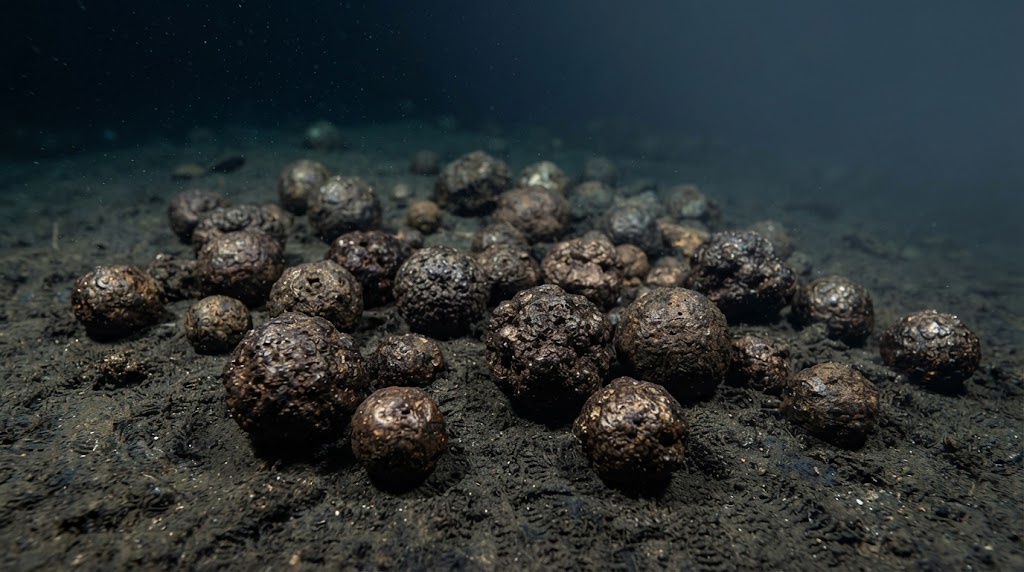
Japan is intensifying its efforts to secure independent sources of critical materials through deep-sea exploration. This initiative represents a key component of a 15-year national strategy aimed at reducing dependence on Chinese rare earth supply. The project targets vast deposits of rare earth-rich mud located in the Pacific Ocean floor. For chemical traders and procurement managers, this development signals a potential shift in global supply dynamics. Rare earth elements are essential for high-tech manufacturing, renewable energy systems and defense applications. Diversifying supply sources reduces geopolitical risk and enhances market stability. Understanding Japan’s approach helps buyers anticipate future availability and pricing trends.
The Strategic Imperative for Supply Diversification
Rare earth elements include lanthanides such as neodymium, dysprosium and praseodymium. These metals are vital for producing permanent magnets used in electric vehicles, wind turbines and consumer electronics. China currently dominates global production and processing, controlling a significant majority of the supply chain. This concentration creates vulnerability for importing nations. Any disruption in Chinese exports can cause immediate shortages and price spikes worldwide.
Japan’s 15-year effort stems from past experiences where supply constraints impacted its industrial sector. The country recognized early that relying on a single source for critical materials was unsustainable. By investing in domestic seabed resources, Japan aims to create a self-sufficient supply loop. This strategic autonomy protects its high-tech industries from external shocks. For global buyers, this move suggests that alternative sources may soon become commercially viable. It challenges the monopoly position of traditional producers and introduces new competition into the market.
Deep-Sea Mining Technology and Challenges
Extracting rare earths from the seafloor presents unique technical hurdles. The deposits lie thousands of meters below the ocean surface in soft mud formations. Specialized vessels and robotic systems are required to collect and process this material efficiently. Japan has developed advanced dredging technologies capable of operating at extreme depths. These systems minimize environmental disturbance while maximizing recovery rates.
However, deep-sea mining remains expensive compared to terrestrial extraction. High operational costs and complex logistics have slowed commercial scaling. Recent technological advancements are helping to lower these barriers. Improved automation and remote operation capabilities reduce labor requirements and safety risks. As efficiency improves, the economic case for seabed extraction strengthens. Procurement teams should monitor progress in this sector as it could introduce a new stream of supply within the next decade.
Environmental and Regulatory Considerations
Deep-sea mining faces scrutiny regarding its environmental impact. Disturbing seabed ecosystems can affect marine life and biodiversity. International bodies are developing regulations to govern these activities responsibly. Japan is working closely with scientific communities to assess and mitigate potential harms. Sustainable extraction practices are central to the project’s long-term viability.
Compliance with emerging environmental standards will be crucial for market acceptance. Buyers increasingly prioritize suppliers with strong environmental records. Rare earths sourced from regulated deep-sea operations may carry a sustainability premium. This aligns with broader ESG goals in the manufacturing sector. Procurement managers should evaluate the environmental credentials of new supply sources. Transparency in extraction methods and impact assessments will become key selection criteria.
Impact on Global Rare Earth Markets
Japan’s entry into large-scale seabed extraction could reshape global trade flows. Increased supply from non-Chinese sources reduces market concentration. This diversification tends to stabilize prices and reduce volatility. Buyers benefit from having multiple sourcing options rather than relying on a single dominant player. It also encourages other nations to explore their own domestic resources.
The timeline for significant market impact remains uncertain. While exploration is advanced, full commercial production requires further investment and regulatory approval. However, the mere existence of a viable alternative influences negotiating power. Traditional suppliers may adjust pricing strategies to remain competitive. Procurement teams can leverage this changing landscape to secure better terms. Long-term contracts with diversified suppliers offer protection against future disruptions.
Implications for Downstream Industries
Industries reliant on rare earths must adapt to this evolving supply picture. Electric vehicle manufacturers, electronics producers and renewable energy developers need secure access to these materials. Japan’s success in seabed mining could provide a reliable source for its domestic industries. This may lead to increased exports of finished goods containing Japanese-sourced rare earths.
Global buyers should track which companies integrate these new materials into their supply chains. Partnerships between Japanese miners and international manufacturers are likely to emerge. These collaborations can ensure quality consistency and volume reliability. Procurement managers should engage with suppliers who are actively diversifying their raw material sources. Doing so builds resilience against geopolitical tensions and trade restrictions.
What Procurement Teams Should Do Now
Buyers of rare earth-containing products should review their supply chain risks. Assess the extent of dependence on Chinese-sourced materials. Identify opportunities to incorporate suppliers using alternative sources like Japanese seabed deposits. Engage with vendors about their raw material origins and diversification strategies. Request transparency regarding supply chain mapping and ethical sourcing practices.
Consider long-term agreements with suppliers committed to supply security. These contracts can lock in volume and price stability amidst market fluctuations. Monitor regulatory developments related to deep-sea mining and environmental compliance. Stay informed about technological advancements that may lower extraction costs. Proactive planning ensures continuity of supply in a changing geopolitical landscape.
Japan’s 15-year push to extract rare earths from the seafloor marks a significant step toward supply chain diversification. While challenges remain, the strategic intent is clear. Reducing dependence on single-source suppliers enhances global market stability. Procurement professionals must recognize this shift and adjust their sourcing strategies accordingly. Embracing diverse supply sources mitigates risk and supports sustainable growth. The era of monopolized rare earth supply is gradually ending.
Ready to source rare earths and metals from verified global suppliers? Explore competitive offers on our platform today.