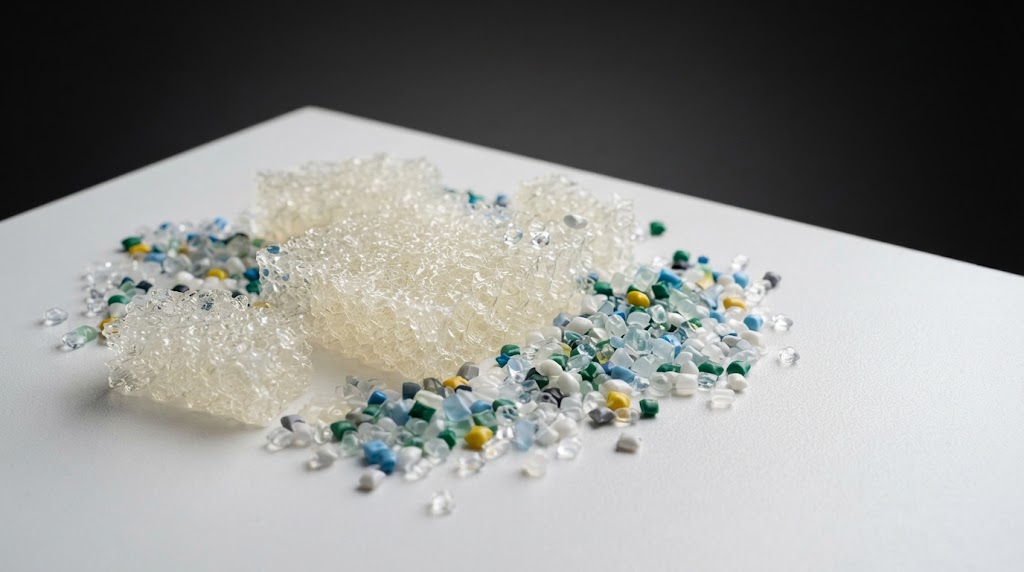
The American Chemical Society recently announced the winners of its prestigious Green Chemistry Challenge Awards. This year’s cohort included groundbreaking work on recyclable polyurethanes, cleaner pharmaceutical manufacturing processes and sustainable crop protection technologies. These accolades highlight a significant shift in how the industry approaches material design and production. For procurement managers and chemical traders, these innovations represent more than just scientific achievement. They signal emerging supply opportunities and potential regulatory tailwinds. Understanding these advancements helps buyers stay ahead of sustainability mandates and market trends.
The Significance of the ACS Green Chemistry Challenge
The ACS Green Chemistry Challenge Awards recognize chemical technologies that reduce or eliminate hazardous substances. Winning entries must demonstrate technical merit, environmental benefit and commercial viability. This rigorous selection process ensures that honored innovations are not just theoretical concepts but practical solutions ready for scale. The recognition serves as a validation mark for buyers seeking credible sustainable alternatives. It helps distinguish genuine breakthroughs from marketing hype in a crowded marketplace.
This year’s focus on recyclability and process efficiency reflects broader industry priorities. Companies are under increasing pressure to close material loops and reduce waste. The awards highlight specific technologies that enable these goals. For the chemical trading sector, this means new product categories are entering the market. Buyers who familiarize themselves with these innovations can secure early access to superior materials. This proactive approach builds competitive advantage in sustainability-driven end markets.
Breakthroughs in Recyclable Polyurethanes
Polyurethane has long been a challenge for recycling due to its complex chemical structure. Traditional methods often result in downcycled products with limited applications. The award-winning innovations address this limitation by designing polyurethanes with built-in recyclability. These new materials can be broken down into their original monomers and reused to create high-quality virgin-grade products. This circular approach eliminates waste and reduces reliance on fossil fuel feedstocks.
The implications for the plastic and polymer sector are profound. Manufacturers of furniture, automotive parts and insulation can now source materials that meet strict circular economy criteria. Procurement teams should look for suppliers adopting these new chemistries. Early adoption may come with a price premium but offers long-term security against resource scarcity. It also aligns with corporate sustainability goals and consumer expectations. The technology is moving from lab scale to commercial production, making it increasingly accessible for bulk buyers.
Cleaner Pharmaceutical Manufacturing Processes
The awards also recognized advances in pharmaceutical synthesis. Traditional drug manufacturing often involves multiple steps with hazardous solvents and low yields. The honored technologies streamline these processes using safer reagents and catalytic methods. This reduces waste generation and energy consumption significantly. For buyers in the pharmaceutical supply chain, these improvements mean higher purity inputs and more reliable supply.
Cleaner manufacturing processes also reduce regulatory burdens. Facilities using these methods face fewer compliance issues related to hazardous waste disposal. This operational efficiency translates to cost savings that can be passed down the supply chain. Procurement managers sourcing active pharmaceutical ingredients should prioritize suppliers implementing these green chemistry principles. Doing so ensures continuity of supply and minimizes environmental liability. The trend toward greener pharma manufacturing is accelerating as major producers adopt these award-winning techniques.
Sustainable Crop Protection Technologies
Agricultural chemicals face intense scrutiny regarding their environmental impact. The recognized innovations in crop protection offer effective pest control with reduced ecological footprints. These technologies use targeted delivery systems and biodegradable active ingredients. They minimize runoff and protect non-target species such as pollinators. For agribusiness buyers, this means complying with stricter environmental regulations while maintaining crop yields.
The shift toward sustainable crop protection is driven by both regulation and farmer demand. Consumers are increasingly concerned about pesticide residues in food. Retailers are responding by setting stricter standards for their suppliers. Procurement teams in the agriculture sector must adapt by sourcing these newer, safer chemistries. The award winners demonstrate that efficacy does not have to be compromised for sustainability. This balance makes them attractive options for large-scale agricultural operations looking to improve their environmental profiles.
What These Awards Mean for Supply Chains
The recognition of these technologies by the ACS signals their readiness for broader market adoption. Suppliers offering these innovative products are likely to gain market share as demand for sustainable chemicals grows. Procurement teams should monitor which companies are commercializing these award-winning technologies. Building relationships with these innovators early can secure preferential access and pricing. It also positions buyers as leaders in sustainability within their own industries.
The awards also highlight the importance of collaboration between chemists and engineers. Successful commercialization requires scaling up lab processes without losing environmental benefits. Buyers should ask potential suppliers about their production methods and scalability plans. Understanding the supply chain behind these green chemicals helps assess risk and reliability. Transparency in manufacturing processes is becoming a key differentiator in the chemical market.
Navigating the Transition to Green Chemistries
Adopting new green chemistries requires careful planning. Buyers must evaluate performance characteristics against existing materials. Recyclable polyurethanes, for example, must meet specific strength and durability standards for their intended applications. Testing and validation are essential steps before full-scale implementation. Procurement teams should work closely with technical departments to ensure compatibility.
Cost considerations also play a role. While green chemistries often offer long-term savings through waste reduction, initial prices may be higher. Buyers need to calculate total cost of ownership including disposal and compliance costs. In many cases, the overall economic case favors the sustainable option. Government incentives and carbon pricing mechanisms further improve the financial attractiveness of these technologies. Understanding these dynamics helps in negotiating favorable terms with suppliers.
The Bottom Line for Chemical Buyers
The ACS Green Chemistry Challenge Awards highlight a clear direction for the industry. Recyclable polyurethanes, cleaner pharma processes and sustainable crop protections are no longer niche concepts. They are becoming mainstream solutions driven by technical excellence and market demand. Procurement professionals must integrate these innovations into their sourcing strategies. Doing so ensures compliance, reduces risk and meets evolving customer expectations. The future of chemical trading lies in embracing these sustainable advancements.
Ready to source sustainable chemicals from verified global suppliers? Explore competitive offers on our platform today.