The global chemical industry continues to experience a new wave of strategic consolidation.
Rather than pursuing acquisitions solely to expand market share, companies are increasingly combining businesses to improve operational efficiency, optimise manufacturing assets and strengthen long-term competitiveness.
The proposed Olin–Huntsman combination, valued at approximately $12.5 billion, represents another example of how scale is becoming a strategic advantage in commodity chemicals.
For procurement professionals, transactions of this size provide valuable insight into the future direction of supplier capabilities and market structure.
Why Scale Matters in Commodity Chemicals
Commodity chemical producers operate in markets characterised by:
High capital investment.
Energy-intensive production.
Global competition.
Cyclical pricing.
Feedstock cost volatility.
Large manufacturing assets.
Greater scale can improve operational performance through more efficient asset utilisation and broader product portfolios.
Chlor-Alkali Remains a Strategic Chemical Platform
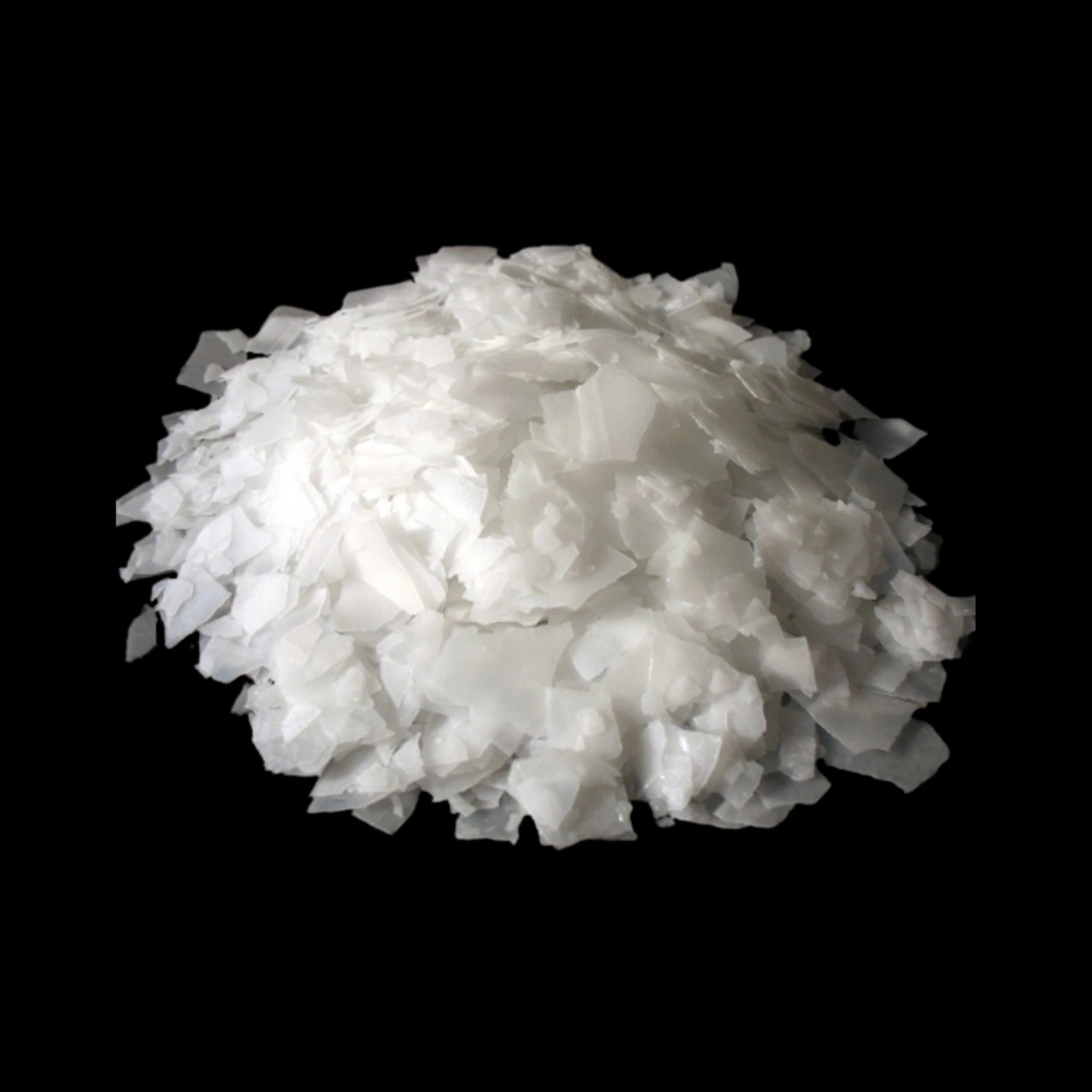
Chlor-alkali production supplies essential industrial chemicals including:
Caustic soda.
Chlorine.
Hydrogen.
Hydrochloric acid.
Sodium hypochlorite.
These products support industries such as:
As a result, consolidation within this sector attracts significant attention from procurement organisations.
Consolidation Can Improve Operational Efficiency
Large-scale mergers may create opportunities through:
Manufacturing optimisation.
Procurement synergies.
Integrated logistics.
Shared technology.
Broader customer portfolios.
Improved capital allocation.
Although execution risks remain, integrated operations can strengthen long-term competitiveness when managed effectively.
Procurement Should Monitor Strategic Transactions
Major acquisitions often influence:
Monitoring these developments helps procurement teams understand how supplier capabilities may evolve.
Recent consolidation across the chemical industry indicates continued focus on:
These trends are reshaping competitive dynamics across global commodity chemical markets.
Consolidation Is Changing Supplier Dynamics
Large-scale mergers often reshape the competitive landscape by creating suppliers with broader capabilities and more diversified operations.
Potential advantages include:
Larger manufacturing networks.
Greater purchasing power.
Improved operational efficiency.
Enhanced product portfolios.
Stronger research and development capabilities.
Better capital allocation.
For procurement professionals, these developments can influence supplier reliability, production flexibility and long-term commercial partnerships.
Scale Does Not Eliminate Competitive Pressures
While larger organisations may benefit from economies of scale, they continue to face many of the industry's structural challenges, including:
Feedstock price volatility.
Energy costs.
Environmental compliance.
Cyclical demand.
Global competition.
Capital-intensive production.
Successful integration depends not only on size but also on operational execution, disciplined investment and effective portfolio management.
Procurement Should Monitor Post-Merger Integration
Major corporate combinations often lead to changes in supplier operations.
Procurement teams should evaluate:
Manufacturing footprint optimisation.
Product portfolio alignment.
Customer service continuity.
Capital investment plans.
Supply chain resilience.
Commercial policy changes.
Integration milestones.
Monitoring these developments helps buyers anticipate operational improvements or temporary integration risks.
Procurement Priorities for H2 2026
As consolidation continues across commodity chemicals, procurement organisations should:
Monitor major merger and acquisition announcements.
Reassess strategic suppliers following significant corporate transactions.
Review long-term supply agreements after ownership changes.
Evaluate financial strength and operational integration plans.
Diversify sourcing where appropriate to reduce concentration risk.
Track capital investment and manufacturing optimisation programmes.
Incorporate M&A intelligence into supplier performance reviews.
These actions strengthen procurement resilience while helping organisations understand how consolidation may influence future supply conditions.
Looking Ahead to H2 2026
The proposed Olin–Huntsman combination reflects a broader industry trend in which chemical companies are pursuing greater scale to improve operational efficiency, optimise manufacturing assets and strengthen competitiveness in increasingly challenging global markets. Transactions of this nature demonstrate that corporate restructuring is becoming an important strategic response to margin pressure, changing demand patterns and the need for long-term investment discipline.
For procurement professionals, large-scale mergers should be viewed as strategic market developments rather than purely financial events. Corporate integration can influence manufacturing capacity, product availability, customer support, investment priorities and supply chain resilience. Understanding these changes enables procurement teams to adapt sourcing strategies while maintaining strong supplier relationships.
The key lesson for H2 2026 is that scale is becoming an increasingly important competitive advantage in commodity chemicals, but successful execution remains the decisive factor. Organisations that combine supplier intelligence, M&A analysis, financial assessment and operational monitoring will be better positioned to build resilient sourcing strategies and navigate the evolving structure of the global chemical industry.
Ready to source chlor-alkali products, industrial chemicals and specialty materials from verified global manufacturers with strong production capabilities and reliable international supply chains? Explore competitive offers on our platform today.