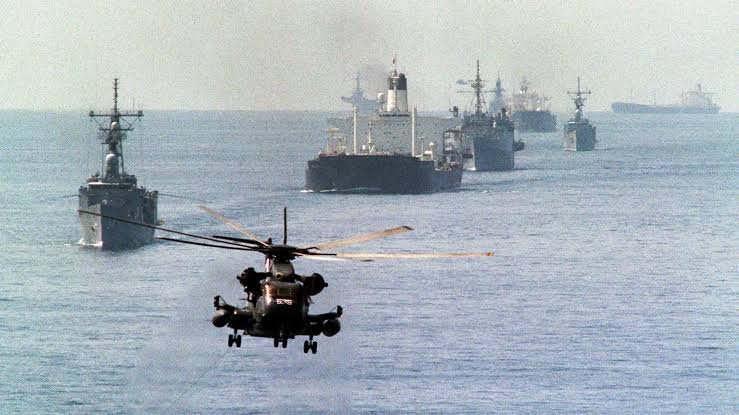
A warning from the United Nations that the Houthi threat could trigger an “even wider” regional conflict has introduced another layer of uncertainty for global petrochemical investment. The issue extends beyond immediate shipping disruption because large chemical projects depend on predictable construction schedules, secure logistics, stable energy supplies and long-term financing.
For petrochemical investors and industrial buyers, investment timelines now face greater exposure to geopolitical events. A conflict that expands across strategic energy and trade corridors could delay projects, redirect capital and change the expected timing of new capacity entering markets for polymers, solvents, intermediates and other chemical products.
Why Geopolitical Risk Is Reshaping Petrochemical Investment
Petrochemical projects require years of planning before commercial production begins. Developers must secure financing, complete engineering work, order specialized equipment, build processing units and establish reliable feedstock and export logistics.
Regional instability can affect each stage. Investors may delay final investment decisions while companies reassess construction routes, insurance costs, equipment deliveries and access to ports.
The impact can also extend to projects that sit far from the immediate conflict zone. Global chemical companies often depend on international contractors, imported machinery and shipping routes that connect multiple regions.
The key issue for investors is timing. A project that moves back by several months can alter supply forecasts, affect contract negotiations and create temporary shortages in markets that expected additional production.
The Houthi Threat and Wider Regional Conflict Risk
The UN warning from spokesman Stephane Dujarric highlights the possibility that current tensions could expand beyond a contained security challenge. For petrochemical markets, that raises concern because the Middle East remains central to global energy and chemical trade.
A wider conflict could affect several commercial channels at once:
Shipping security: Risk around key maritime routes can increase freight costs, insurance premiums and transit times for chemical cargoes.
Energy availability: Disruption near oil and gas infrastructure could affect feedstock expectations for producers that rely on regional hydrocarbons.
Investment confidence: Companies may postpone capital-intensive projects until they gain greater visibility over security conditions.
Construction logistics: Equipment, machinery and specialist personnel may face delays if regional transport networks become more difficult to use.
For petrochemical companies, the challenge involves more than protecting existing assets. They must also decide whether planned investments still meet their original cost, schedule and market assumptions.
How Conflict Risk Can Delay New Chemical Capacity
A petrochemical investment typically follows a sequence of major decisions. Developers first assess market demand and feedstock availability, then move toward financing, engineering, procurement and construction.
Geopolitical instability can interrupt that sequence at several points. Financing committees may require new risk assessments, insurers may revise coverage terms and contractors may need to change delivery routes.
The result does not always mean cancellation. In many cases, companies may simply extend timelines while they wait for clearer conditions.
That delay matters across chemical supply chains. If a new plant originally expected to begin operations in a specific period arrives later, buyers may continue relying on existing producers for longer than expected.
This can support prices for some products, particularly where markets already face limited spare capacity. It can also encourage buyers to secure longer-term supply arrangements instead of waiting for anticipated new production.
Petrochemical Projects Face a More Complex Risk Calculation
Investment decisions increasingly depend on more than projected demand and production costs. Companies now need to examine how geopolitical events could affect the entire life cycle of a project.
Key considerations include:
Location exposure: Projects near conflict-sensitive corridors may face greater security and logistics risks than facilities located deeper within established industrial regions.
Feedstock dependence: Investors need to assess whether a facility depends on a single source of crude oil, natural gas or other critical inputs.
Export concentration: A plant that depends heavily on one port or one maritime route may face greater disruption during a regional crisis.
Equipment sourcing: Specialized machinery may come from multiple international suppliers, creating additional points of vulnerability.
Insurance and financing: Rising risk can increase project costs and make lenders more cautious about long-term commitments.
These factors can influence whether companies proceed immediately, redesign logistics or wait for conditions to stabilize.
What the Conflict Signal Means for Chemical Buyers
Procurement teams should pay close attention to investment delays because new capacity often influences future sourcing options. When a planned facility does not start on schedule, buyers may need to maintain existing supplier relationships for longer.
The effect can be especially important for companies purchasing petrochemical feedstocks and polymer inputs on tight production schedules. A delay in expected supply growth can affect contract planning, inventory levels and the timing of new sourcing strategies.
Buyers should monitor:
Project milestones: Delays in final investment decisions, construction starts or commissioning can change future supply expectations.
Regional freight conditions: Higher transport risk can affect landed costs even when the chemical itself remains available.
Supplier diversification: Buyers may need additional origins to reduce dependence on a single region or transport corridor.
Contract flexibility: Purchase agreements should account for potential changes in delivery schedules and logistics costs.
A procurement strategy based only on expected production capacity can become vulnerable when geopolitical risk changes the timing of that capacity.
Investment Timelines Could Become More Flexible
The traditional approach to petrochemical investment often follows a relatively fixed schedule. Companies announce projects, complete construction and prepare for commercial operations according to planned milestones.
Regional conflict can make that schedule more flexible and less predictable. Investors may divide projects into phases, delay expansion units or prioritize assets that offer greater supply chain resilience.
Some companies may also reconsider where they place new production. Instead of concentrating additional capacity in one region, they may evaluate multiple locations to improve access to feedstocks and end markets.
This could gradually influence the global distribution of petrochemical production. Geopolitical resilience may become a stronger factor in investment decisions alongside cost competitiveness.
For chemical traders, that shift could create new opportunities. Suppliers in regions viewed as more stable may attract additional interest from buyers seeking alternatives to concentrated sourcing networks.
How the Market Could Respond to Delayed Capacity
If investment timelines extend, markets may experience a longer period of dependence on existing production assets. That can create different effects depending on the chemical and the balance between supply and demand.
Products with limited available capacity may experience stronger competition among buyers. Meanwhile, producers with reliable feedstock access and stable export routes may gain greater negotiating power.
The market response can also encourage more strategic inventory planning. Buyers that previously operated with minimal stocks may reconsider their approach if geopolitical risks continue to affect delivery schedules.
For traders, this environment creates a need for closer monitoring of:
Project announcements and construction progress.
Port access and shipping route conditions.
Producer operating rates and maintenance schedules.
Feedstock availability and energy market developments.
Buyer demand in major manufacturing regions.
These signals can provide early indications of whether a supply disruption will remain temporary or influence longer-term procurement decisions.
The Strategic Importance of Supply Chain Diversification
The possibility of a wider regional conflict reinforces the value of supplier diversification. Companies that rely on one producer, one country or one shipping route may face greater exposure when conditions change quickly.
Diversification does not require abandoning established suppliers. Instead, procurement teams can build secondary relationships before a disruption occurs.
A stronger sourcing structure may include suppliers from different regions, alternative transport routes and contracts that provide greater flexibility during periods of market volatility.
This approach can also improve negotiating power. Buyers with multiple qualified supply options have more flexibility when freight costs rise or delivery schedules change.
For exporters and chemical traders, the same trend creates an opportunity to demonstrate reliability. Companies that can offer verified supply, transparent logistics and consistent communication may become more valuable partners during periods of uncertainty.
What Petrochemical Investors Should Watch Through 2027
The next phase of petrochemical investment will depend heavily on how regional security conditions develop. If tensions widen, companies may reassess project timing, construction locations and supply chain structures.
If conditions stabilize, some delayed projects could move forward quickly as companies attempt to capture demand and secure future market share.
Several indicators will help shape the outlook:
Project approvals: A slowdown in final investment decisions could signal that companies are becoming more cautious.
Construction activity: Delays in major projects may reduce the expected volume of new supply entering the market.
Shipping risk: Persistent threats to maritime trade could increase the cost of moving chemical products across regions.
Capital allocation: Companies may direct more investment toward facilities with stronger feedstock security and diversified logistics.
Regional demand: Growth in plastics, packaging, construction and manufacturing will continue to influence where new capacity makes commercial sense.
The timing of new production matters as much as the size of the project itself. A delayed plant can change market conditions for producers and buyers long before the facility eventually begins operations.
What Buyers Should Do Now
The UN warning about an “even wider” regional conflict gives procurement teams another reason to examine their exposure to geopolitical disruption. The immediate priority should not be panic buying, but better visibility across supply, logistics and future production.
Buyers should review their sourcing plans and ask whether they can respond if a major project moves behind schedule or a key shipping route becomes more expensive to use.
Practical steps include:
Map critical dependencies: Identify chemicals that rely heavily on one region, producer or maritime corridor.
Track future capacity: Monitor major petrochemical projects and changes to expected commissioning dates.
Build qualified alternatives: Establish relationships with additional suppliers before an urgent shortage develops.
Review logistics assumptions: Recalculate landed costs if freight, insurance or transit times change.
Use flexible procurement planning: Avoid basing all future supply decisions on projects that have not yet reached commercial production.
For investors, the broader lesson is equally important. Petrochemical projects remain long-term assets, but their timelines increasingly depend on factors beyond engineering and economics.
A wider conflict could reshape when new chemical capacity arrives, how companies allocate capital and which suppliers gain strategic importance. Ready to source Petrochemical products from verified global suppliers? Explore competitive offers on our platform today.