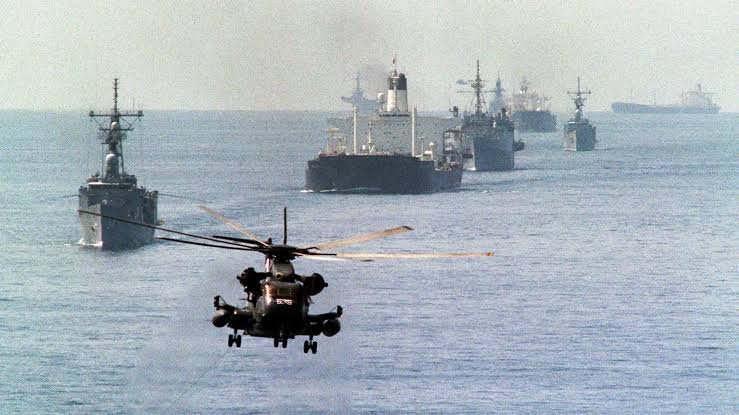
Protective measures introduced by the Saudi-led coalition have renewed discussion about the future of maritime security regulation in strategically important shipping corridors. As geopolitical tensions continue to influence international trade, governments and industry stakeholders are placing greater emphasis on safeguarding commercial shipping. For chemical manufacturers, importers and exporters, stronger maritime security measures could shape future logistics requirements, operational costs and compliance obligations.
The movement of industrial chemicals depends heavily on safe and predictable shipping routes. Any regulatory developments aimed at strengthening maritime security have the potential to influence freight planning, carrier selection and international supply chain management.
Why Maritime Security Is Becoming a Regulatory Priority
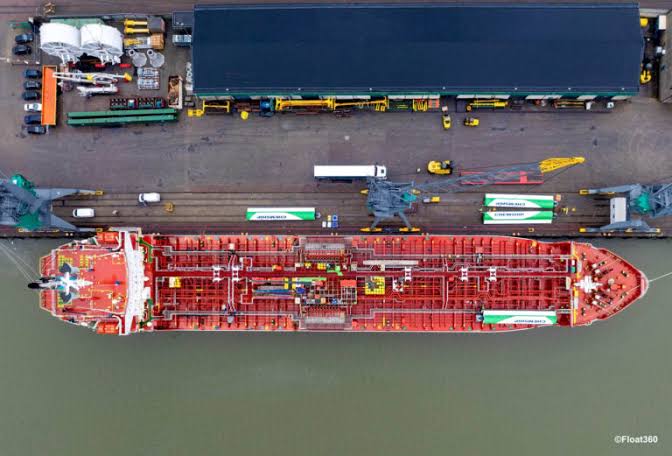
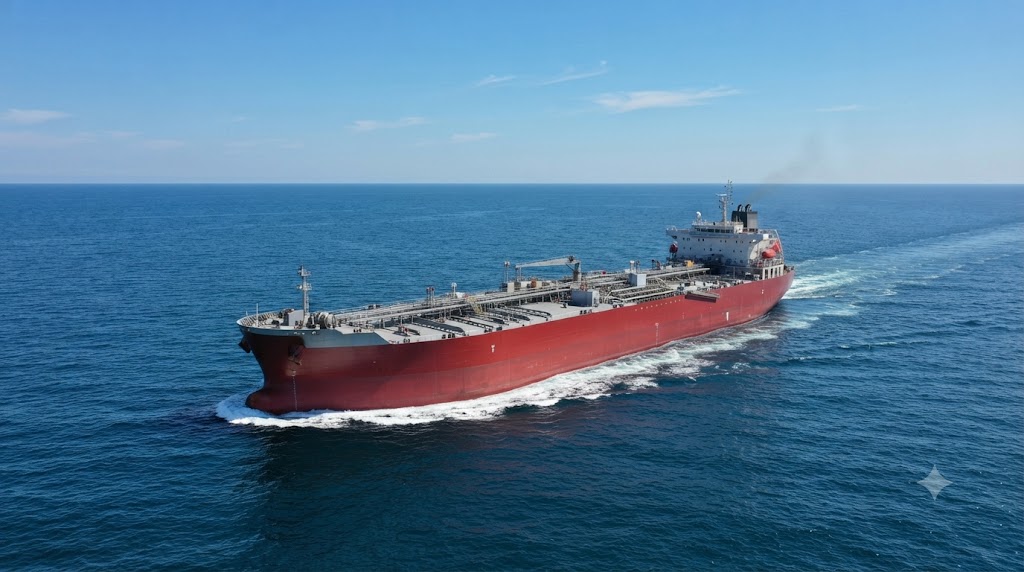
Strategic shipping routes carry a substantial share of the world's industrial raw materials and chemical products.
These trade flows include:
Protecting these shipments remains essential for maintaining stable international commerce.
Protective Measures May Influence Future Regulations
Security initiatives introduced during periods of geopolitical tension often shape longer-term regulatory discussions.
Potential areas of future focus include:
Vessel security standards.
Transit reporting requirements.
Maritime risk assessments.
Port coordination procedures.
Shipping documentation.
Such measures may strengthen operational transparency while supporting safer navigation.
Procurement Teams Should Monitor Shipping Requirements
Changes in maritime regulations can affect procurement planning well before implementation.
Organizations should review:
Early awareness allows procurement teams to prepare for changing operating conditions.
Compliance Planning Should Include Maritime Risk
Maritime security is becoming an increasingly important component of corporate compliance programmes.
Businesses should strengthen:
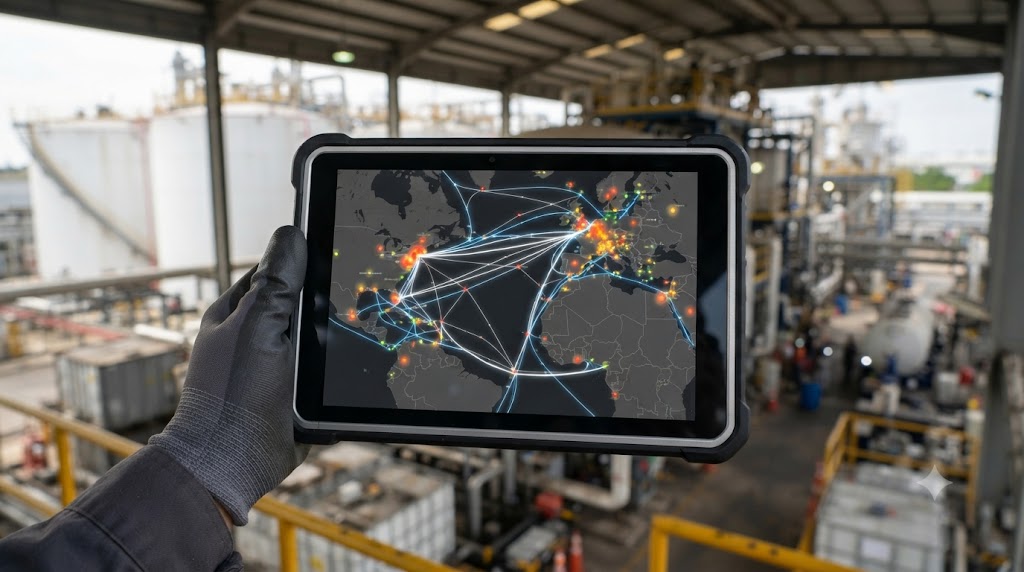
Integrating maritime intelligence into compliance planning supports stronger operational resilience.
Strong Supply Chains Depend on Multiple Layers of Protection
Security regulations represent only one part of comprehensive supply chain management.
Organizations can improve resilience by:
Diversifying suppliers.
Maintaining multiple shipping providers.
Building contingency logistics plans.
Monitoring geopolitical developments.
Reviewing transportation agreements regularly.
These actions reduce operational exposure during periods of uncertainty.
Cross-Functional Coordination Improves Preparedness
Maritime security developments affect several departments simultaneously.
Businesses benefit when:
Procurement evaluates logistics alternatives.
Compliance tracks regulatory updates.
Legal reviews contractual obligations.
Operations monitor shipment status.
Leadership receives timely market intelligence.
Collaborative planning enables faster responses to regulatory and operational changes.
What Procurement and Compliance Teams Should Do Now
The Saudi-led coalition's protective measures highlight the growing importance of maritime security within global chemical trade. Procurement and compliance teams should continue monitoring shipping regulations, evaluating logistics risks and maintaining flexible sourcing strategies that can adapt to evolving security requirements.
Organizations that integrate maritime risk management into procurement and compliance planning will be better positioned to maintain reliable supply chains as international shipping regulations continue to develop.
Ready to source chemical products from verified global suppliers? Explore competitive offers on our platform today.