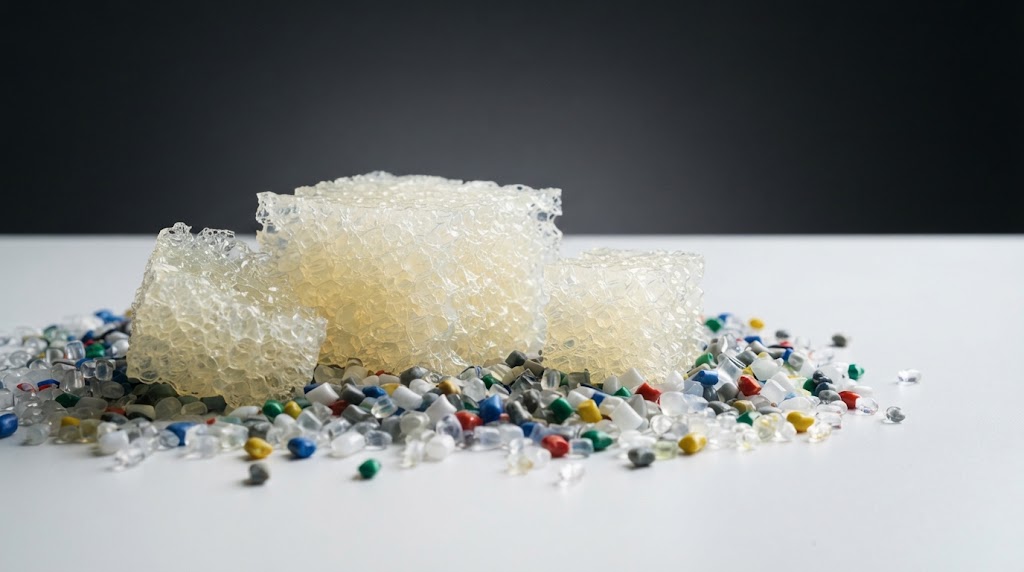
The American Chemical Society recently announced the winners of its Green Chemistry Challenge Awards. Among the honored innovations was a breakthrough in recyclable polyurethanes. This recognition signals sustained research and development investment in making petrochemical-derived polymers more circular. For procurement managers and chemical traders, this development is significant. It demonstrates that sustainability efforts are not limited to bio-based alternatives but also include improving existing fossil-fuel-based materials. Understanding these advancements helps buyers navigate the evolving landscape of polymer sourcing and compliance.
The Focus on Petrochemical-Derived Circularity
Polyurethane has long been difficult to recycle due to its complex cross-linked structure. Traditional mechanical recycling often results in downcycled products with inferior properties. The award-winning innovation addresses this by designing polyurethanes with chemical recyclability in mind. These materials can be broken down into their original monomers and reused to create virgin-quality products. This approach maintains the performance benefits of petrochemical polymers while reducing waste and resource consumption.
This focus on circularity within the petrochemical sector reflects a pragmatic industry shift. While bio-based plastics gain attention, petrochemical polymers still dominate global production volumes. Improving their end-of-life management offers immediate environmental benefits at scale. The ACS recognition validates these technologies as viable commercial solutions. It encourages further investment from major chemical producers who see circularity as a key competitive advantage. Buyers should monitor which suppliers are adopting these new chemistries to secure early access.
R&D Investment Trends in Polymer Sustainability
The award highlights a broader trend of R&D investment in polymer circularity. Major chemical companies are allocating significant resources to develop closed-loop systems. This includes advancements in depolymerization technologies and solvent-free processing methods. The goal is to create materials that fit seamlessly into existing recycling infrastructure. Such innovations reduce the need for costly separate collection and processing streams.
Investment is also flowing into digital tools that track material flows. Blockchain and other tracing technologies help verify the recycled content of polymers. This transparency is crucial for meeting regulatory requirements and customer expectations. Procurement teams should look for suppliers who combine material innovation with robust tracking systems. This combination ensures credibility and reduces the risk of greenwashing claims. The integration of digital and chemical innovations represents the next frontier in sustainable polymer sourcing.
Implications for Supply Chain Sourcing
The availability of recyclable polyurethanes changes sourcing dynamics for downstream manufacturers. Industries such as automotive, furniture and construction can now source materials that meet strict circular economy criteria. This allows them to reduce their environmental footprint without compromising on performance or cost. Procurement managers should update their supplier qualification processes to include circularity metrics. Asking about recyclability and end-of-life options is becoming standard practice.
Early adoption of these materials may involve a price premium. However, the long-term benefits include reduced disposal costs and compliance with emerging regulations. Many jurisdictions are implementing extended producer responsibility schemes that penalize non-recyclable materials. Sourcing circular polymers helps mitigate these future liabilities. Buyers should calculate total cost of ownership rather than focusing solely on upfront purchase price. This holistic view reveals the true economic value of sustainable materials.
Regulatory Drivers Supporting Circular Polymers
Government policies are increasingly favoring circular materials. The European Union’s Circular Economy Action Plan sets ambitious targets for plastic recycling and reuse. Similar initiatives are emerging in North America and Asia. These regulations create a favorable market environment for recyclable polyurethanes. Producers who invest in these technologies position themselves to meet future compliance requirements easily.
Carbon pricing mechanisms also support circular polymers. Recycling typically has a lower carbon footprint than producing virgin materials from fossil fuels. As carbon costs rise, circular materials become more economically attractive. Procurement teams should monitor policy developments in their key markets. Understanding these drivers helps in forecasting demand and pricing trends. Aligning sourcing strategies with regulatory trajectories ensures long-term supply security.
What Procurement Teams Should Do Now
Buyers of polyurethanes and other polymers should engage with suppliers about their circularity roadmaps. Ask about specific innovations like chemically recyclable grades. Request data on recycling rates and verified recycled content. Evaluate suppliers based on their commitment to R&D and sustainability goals. Prioritize partners who demonstrate tangible progress rather than just aspirational statements.
Consider piloting recyclable polyurethanes in non-critical applications first. This allows testing of performance and processing characteristics without disrupting core operations. Gather feedback from manufacturing and quality teams to assess viability. Use successful pilots to build a business case for broader adoption. Collaborate with suppliers to optimize specifications for recyclability. This partnership approach accelerates the transition to circular materials.
The Bottom Line for Polymer Buyers
The ACS Green Chemistry Award for recyclable polyurethanes underscores the viability of petrochemical circularity. Innovation in this space is accelerating driven by regulatory pressure and market demand. Procurement professionals must integrate circularity criteria into their sourcing strategies. Embracing these advancements reduces environmental impact and future-proofs supply chains. The shift toward circular polymers is not a niche trend but a fundamental industry transformation. Buyers who adapt now will lead in sustainability and operational resilience.
Ready to source sustainable polymers from verified global suppliers? Explore competitive offers on our platform today.