CF Industries is moving forward with its low-carbon ammonia projects even as other major players reconsider their positions. This decision comes at a time when companies like Woodside are reviewing their blue ammonia plans due to changing market conditions. The divergence in strategy highlights different approaches to risk and opportunity within the fertilizer sector. For procurement managers and chemical traders, understanding these moves is critical for long-term supply planning. It signals which producers are committed to the energy transition and which are adopting a wait-and-see approach. The outcome will shape the availability and pricing of sustainable fertilizers in the coming years.
Why CF Industries Is Pressing Ahead
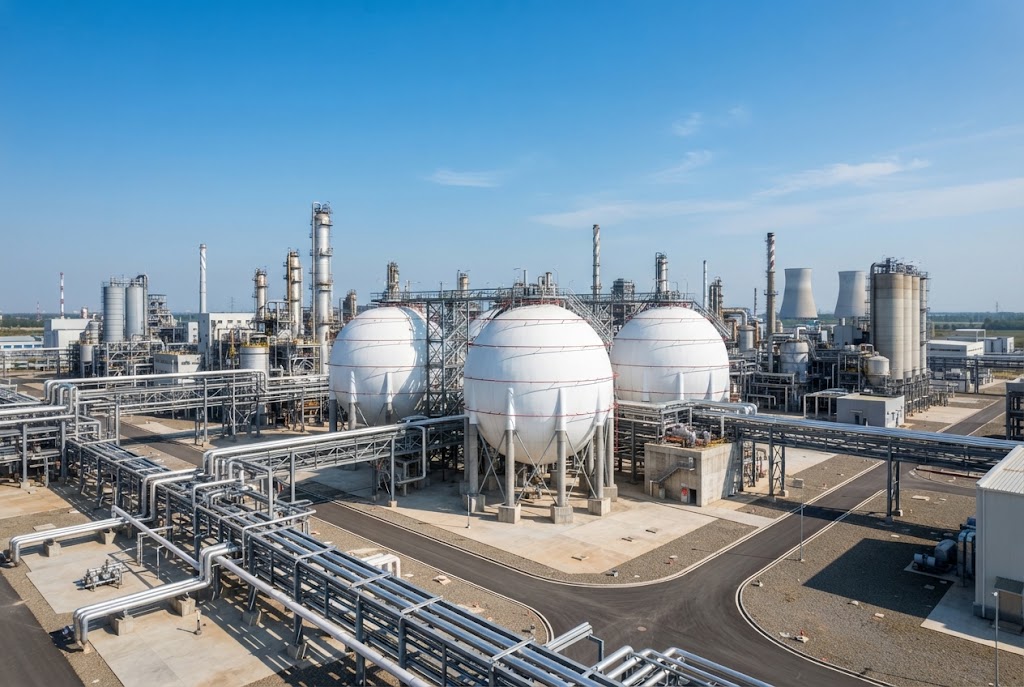
CF Industries has a distinct advantage in the low-carbon ammonia space due to its existing infrastructure. The company operates some of the largest ammonia production facilities in North America. Retrofitting these plants with carbon capture technology is often more economical than building new greenfield sites. This brownfield approach reduces capital expenditure and execution risk. It allows CF Industries to leverage its operational expertise and established supply chains. The company views low-carbon ammonia not as a speculative venture but as a necessary evolution of its core business.
Government incentives also play a significant role in this decision. Tax credits for carbon capture and storage in the United States improve the economics of these projects. CF Industries has secured partnerships and off-take agreements that provide revenue certainty. These factors mitigate the financial risks that are causing hesitation among other developers. By acting now, the company aims to secure first-mover advantage in the emerging low-carbon market. This strategic boldness contrasts with the caution seen elsewhere in the industry.
The Woodside Contrast and Market Signals
Woodside’s decision to review its Texas blue ammonia project reflects broader market uncertainties. Rising construction costs and higher interest rates have made large-scale carbon capture projects less attractive. Demand for blue ammonia from end-use sectors like power generation has also grown slower than expected. Without firm long-term contracts, securing financing becomes difficult. Woodside’s pause signals that the economic case for new blue ammonia capacity is still fragile.
This contrast between CF Industries and Woodside illustrates the split in the sector. Established fertilizer producers with existing assets are better positioned to invest in decarbonization. Energy companies entering the space face higher barriers and greater uncertainty. For buyers, this means that supply growth may come primarily from traditional chemical manufacturers rather than new energy entrants. It suggests that the transition to low-carbon ammonia will be incremental rather than revolutionary. Procurement teams should adjust their expectations accordingly.
Implications for Global Fertilizer Supply
The continued investment by CF Industries supports the stability of global ammonia supply. As one of the world’s largest producers, its actions have a significant impact on market dynamics. By adding low-carbon capacity, the company helps meet growing demand for sustainable fertilizers. This is particularly important for customers in Europe and Asia who face strict environmental regulations. Access to verified low-carbon ammonia allows these buyers to reduce their scope 3 emissions.
However, the pace of expansion remains limited. Not all producers are following CF Industries’ lead. Many are waiting for clearer policy signals and stronger demand before committing capital. This could lead to tight markets for certified low-carbon products in the near term. Prices for these premium grades may remain elevated compared to conventional ammonia. Buyers need to plan for this price differential and secure supply through early engagement with proactive suppliers.
Strategic Bets in the Commodity Chemical Subsector
The fertilizer sector is undergoing a strategic realignment driven by sustainability goals. Companies are choosing between leading the transition or waiting for the market to mature. CF Industries’ choice to lead reflects confidence in its ability to manage execution risk. It also demonstrates a commitment to maintaining its market leadership in a changing landscape. Other producers are watching closely to see if this strategy pays off. Success could encourage more investment in low-carbon technologies across the sector.
Failure or delays could reinforce the cautious approach taken by companies like Woodside. The outcome of these strategic bets will determine the speed of the industry’s decarbonization. For traders, this creates both risk and opportunity. Identifying which suppliers are genuinely committed to low-carbon production helps in building resilient supply chains. It also allows buyers to align their sourcing strategies with their own sustainability targets. Monitoring project progress and final investment decisions is essential for staying ahead of market shifts.
What Procurement Teams Should Do Now
Buyers of ammonia and fertilizers should engage with suppliers who are actively investing in low-carbon capabilities. Ask about their project timelines and certification processes. Understand how they plan to handle potential delays or cost overruns. Diversify your supplier base to include both leaders like CF Industries and other emerging players. This reduces dependency on any single source and provides flexibility. Consider long-term contracts that lock in volume and price for low-carbon products.
Stay informed about policy developments that impact project economics. Changes in tax credits or carbon pricing can alter the viability of these investments. Monitor announcements from key producers regarding final investment decisions. This intelligence helps in anticipating supply changes and adjusting procurement strategies. Building strong relationships with proactive suppliers ensures priority access to limited low-carbon volumes. It also fosters collaboration on sustainability goals and innovation.
The Bottom Line for Fertilizer Buyers
CF Industries’ continued investment in low-carbon ammonia demonstrates a clear strategic direction. While competitors hesitate, this producer is leveraging its assets to lead the transition. This divergence creates a mixed market environment with varying levels of supply security. Procurement teams must navigate this landscape by identifying committed partners and securing early access to sustainable products. The shift toward low-carbon fertilizers is underway but will proceed at different speeds across the sector. Buyers who adapt now will be better prepared for future regulatory and market demands.
Ready to source ammonia and fertilizers from verified global suppliers? Explore competitive offers on our platform today.