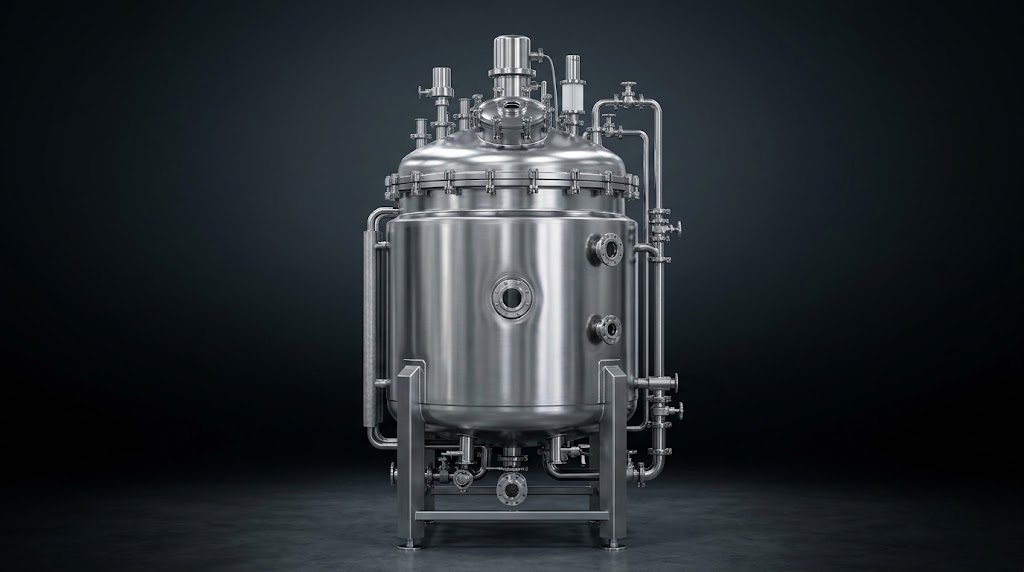
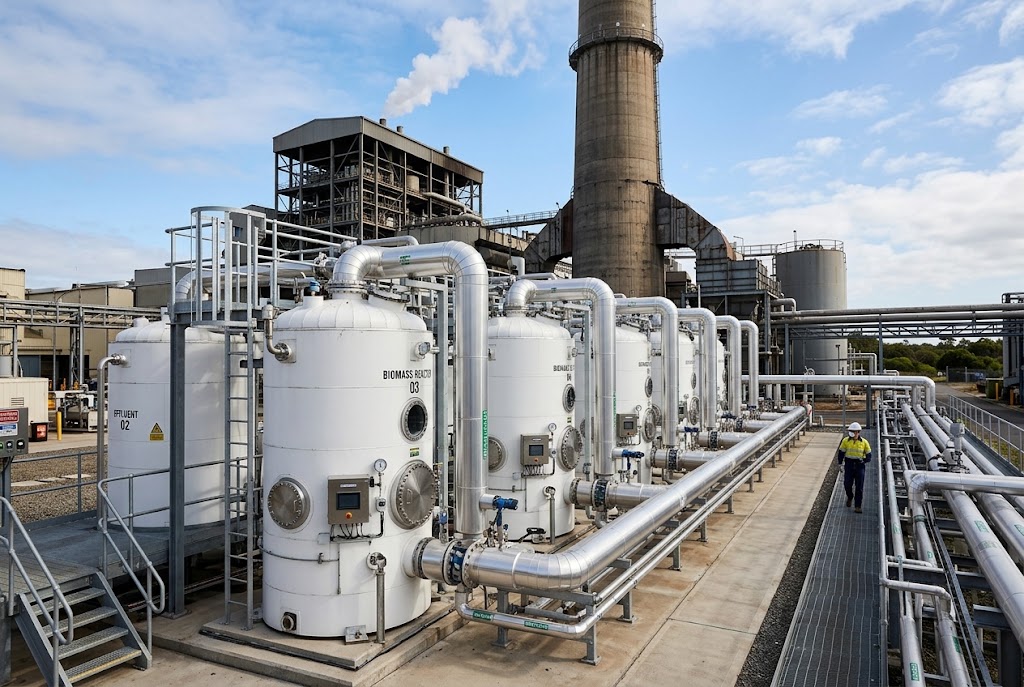
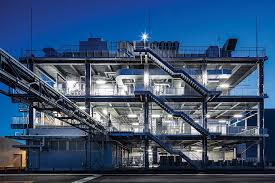
The chemical industry is rethinking how it sources carbon feedstocks through innovative infrastructure models. Again has pioneered a strategy of co-locating modular bioreactors directly alongside industrial CO2 emitters. This approach feeds waste gas straight into fermentation equipment without long-distance transport.
Procurement managers and chemical traders must recognize the efficiency gains of this setup. It eliminates the high costs and logistical hurdles associated with moving compressed carbon dioxide. The result is a more economical and scalable pathway for producing specialty chemicals.
This model transforms industrial waste streams into valuable raw materials at the source. Buyers gain access to low-carbon intermediates with verified sustainability credentials. The proximity of production to emission sources ensures a consistent and reliable supply chain.
Traders should anticipate that other CO2 utilization companies will emulate this template. The success of Again’s approach demonstrates that decentralized production is viable for complex molecules. This shift challenges traditional centralized petrochemical manufacturing paradigms significantly.
The Efficiency of Direct Waste Gas Integration
Traditional carbon capture projects often struggle with the economics of transportation. Moving CO2 from emission sites to conversion facilities requires expensive pipelines or trucking. These logistics can negate the environmental benefits of utilizing waste carbon.
Again’s co-location model bypasses these challenges entirely. Modular bioreactors are installed directly at facilities like ethanol plants or steel mills. The waste gas flows through short pipes directly into the fermentation vessels.
This direct integration reduces capital expenditure and operational complexity significantly. It also minimizes energy loss during gas compression and transport. The overall carbon footprint of the resulting chemicals is drastically lower than conventional methods.
Procurement teams benefit from this efficiency through more stable pricing structures. Lower logistical costs allow producers to offer competitive rates for sustainable materials. Buyers can achieve their decarbonization goals without paying excessive premiums.
Modular Design Enables Rapid Scalability
The use of modular bioreactors allows for flexible and rapid deployment. Unlike massive centralized plants these units can be installed quickly at various sites. This scalability enables producers to match capacity with local waste gas availability precisely.
If an emitter increases output additional modules can be added easily. Conversely, if production slows units can be relocated to other sites. This agility protects investors from the risks of stranded assets in changing industrial landscapes.
Traders should monitor the expansion of this modular network across different regions. Each new installation adds to the global supply of biobased specialty chemicals. The distributed nature of the system enhances overall market resilience.
Buyers can engage with multiple nodes in this network to secure diverse supply sources. This redundancy mitigates the risk of disruptions at any single location. It also allows for regional sourcing strategies that reduce transportation emissions further.
Co-location turns traditional industrial facilities into hubs for chemical production. Steel mills cement plants and bioethanol factories become sources of valuable feedstocks. This symbiosis creates new revenue streams for emitters and lowers costs for chemical producers.
Emitters benefit from reduced carbon taxes and improved sustainability profiles. They can partner with companies like Again to monetize their waste streams effectively. This collaboration fosters a circular economy within industrial parks globally.
Procurement managers should explore partnerships with such integrated facilities. Sourcing chemicals directly from these hubs offers transparency and traceability advantages. Buyers can verify the origin of their carbon feedstocks with greater ease.
This model also encourages innovation in gas purification technologies. Efficient removal of impurities from waste streams is critical for fermentation health. Advances in this area will further improve the viability of co-located production.
Key Specialty Chemicals Produced via Co-Location
The co-location model is particularly effective for producing high-value specialty molecules. Acetic acid stands out as a prime example of a successful product from this approach. It serves as a critical building block for vinyl acetate and other derivatives.
Other potential targets include organic acids and alcohols used in pharmaceuticals and cosmetics. These molecules require high purity which biological synthesis can provide efficiently. The controlled environment of modular bioreactors ensures consistent quality.
Buyers in these specialized sectors will see increased availability of green alternatives. The ability to produce complex molecules from waste carbon expands the scope of sustainable chemistry. This diversification supports broader adoption of biobased materials.
Traders should evaluate these products based on their lifecycle emissions and performance. Co-located production often results in superior environmental metrics compared to centralized methods. This advantage is increasingly important for regulatory compliance.
Regulatory Drivers Supporting Decentralized Production
Government policies are increasingly favoring decentralized and circular production models. Incentives for carbon capture and utilization often prioritize projects with direct integration. The co-location model aligns perfectly with these regulatory objectives.
Local permits for small modular units are often easier to obtain than for massive plants. This regulatory ease accelerates project timelines and reduces development costs. Producers can bring new capacity online faster to meet growing demand.
Sustainability certification schemes recognize the benefits of localized production. Certificates for low-carbon chemicals are more readily issued for co-located facilities. Buyers can use these credentials to meet strict corporate sustainability targets.
Regulatory clarity around waste gas usage continues to improve globally. This stability encourages long-term investment in modular infrastructure. Buyers can confidently commit to these materials knowing they meet current standards.
Challenges in Implementing Co-Location Strategies
Despite the advantages implementing co-location presents operational challenges. Securing long-term agreements with industrial emitters requires complex negotiations. Both parties must align their operational schedules and safety protocols strictly.
Gas quality variability can impact fermentation efficiency significantly. Fluctuations in CO2 concentration or impurity levels require robust purification systems. Producers must invest in advanced monitoring technology to maintain process stability.
Site selection is another critical factor. Not all emission sources have the space or infrastructure for modular units. Logistics for removing finished products from remote industrial sites must be planned carefully.
Workforce training for operating distributed facilities is also necessary. Technicians must be skilled in both biological processes and industrial safety. Building a capable workforce takes time and resources but is essential for success.
What Procurement Teams Should Do Now
Procurement leaders must identify suppliers utilizing co-location models for their chemical needs. Engaging with these innovators provides access to efficient and sustainable supply chains. Requesting data on the specific emission sources helps validate sustainability claims.
Consider the following strategic actions for the coming year:
Audit current supply chains for opportunities to source from co-located facilities. Identifying these partners reduces logistical risks and enhances sustainability credentials.
Collaborate with industrial emitters to explore joint production opportunities. Partnerships can unlock new sources of waste carbon for chemical synthesis.
Monitor regulatory incentives for carbon utilization in key regions. Leveraging these benefits can lower total procurement costs significantly.
Invest in digital tracking tools to verify the origin of carbon feedstocks. Transparency supports compliance and enhances brand reputation among consumers.
Negotiate flexible contracts that account for modular capacity expansions. This flexibility ensures supply security as production scales up over time.
The Bottom Line for Chemical Buyers
Again’s co-location model offers a compelling template for sustainable CO2 utilization. By integrating modular bioreactors with industrial emitters it creates efficient and scalable production pathways. Buyers must adapt their sourcing strategies to leverage these decentralized networks.
Companies that prioritize suppliers using this model will build more resilient operations. This approach reduces logistical risks and enhances environmental performance significantly. The future of chemical procurement belongs to those who embrace circular and localized production. Ready to source Glacial Acetic Acid (99.8%) - China from verified global suppliers? Explore competitive offers on our platform today.