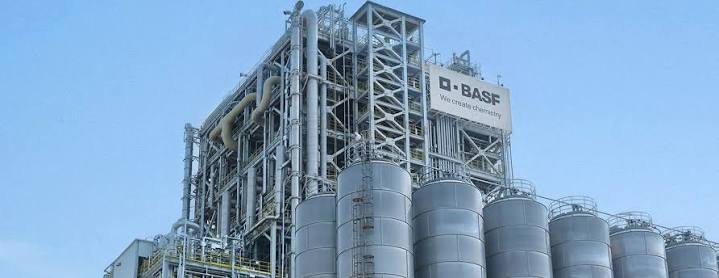
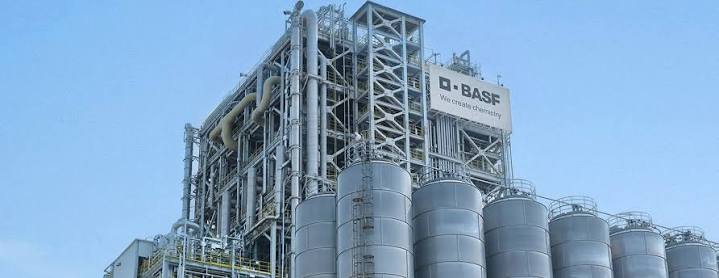
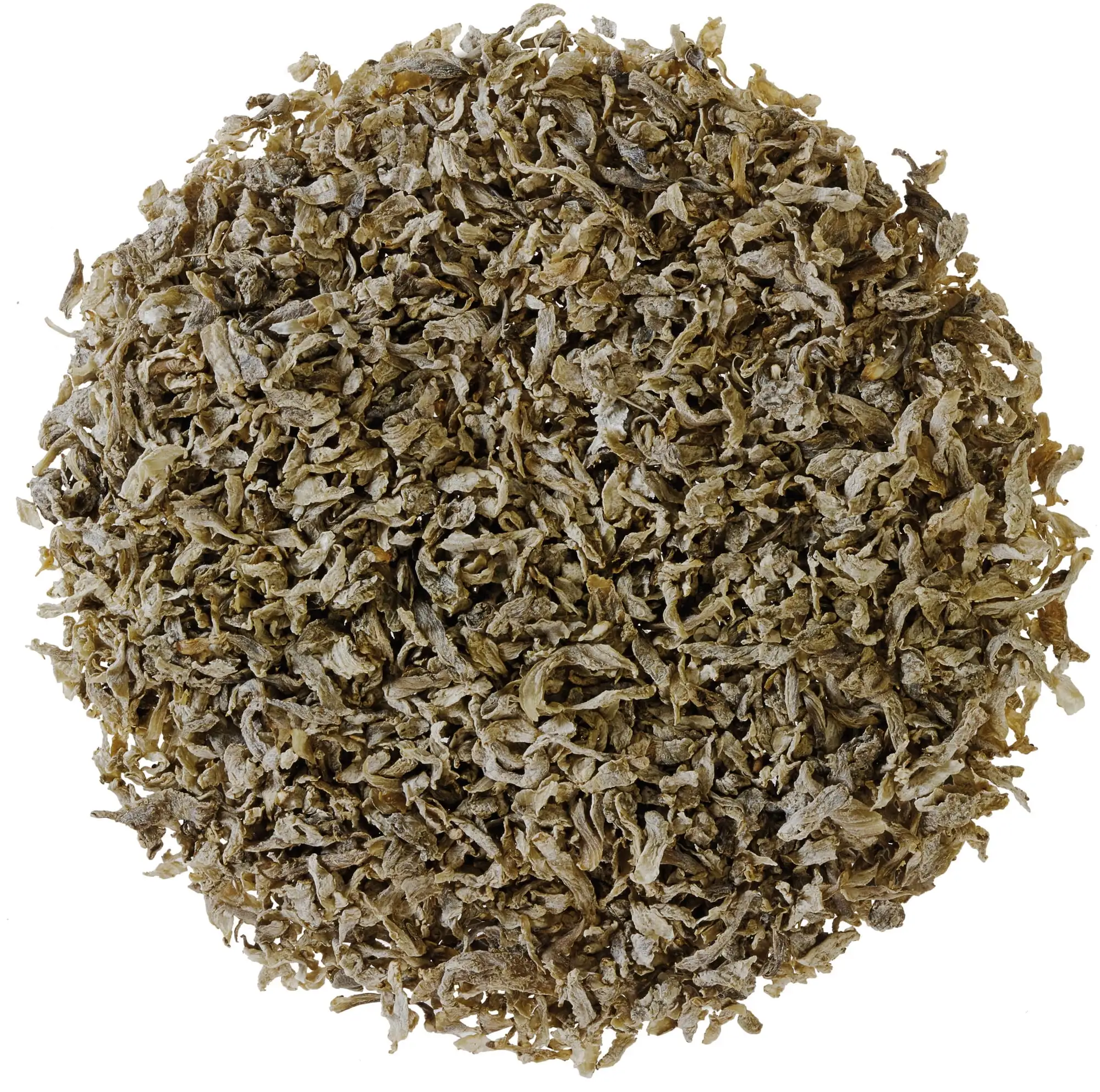
The commercial launch of BASF's Loopamid marks an important milestone in the evolution of the circular chemical economy. Developed to produce recycled nylon 6 from post-consumer textile waste, Loopamid demonstrates that high-value engineering materials can be recovered and returned to commercial supply chains rather than relying exclusively on virgin petrochemical feedstocks. Its adoption by the fashion and apparel industry validates a concept that extends well beyond textiles: waste materials can become strategic raw materials when supported by effective collection, recycling, and manufacturing systems. For procurement professionals, this represents more than another sustainability initiative. It illustrates how circular chemistry is becoming a commercially viable sourcing strategy capable of reducing dependence on traditional fossil-based feedstock supply chains while supporting increasingly demanding environmental objectives.
The events of the 2026 Hormuz disruption provide an additional perspective on why circular feedstocks matter. Extended disruption to international petrochemical logistics demonstrated that global supply chains remain vulnerable to geopolitical events, maritime chokepoints, and transportation interruptions. While conventional feedstocks rely on complex international production and shipping networks, recycled feedstocks such as recycled nylon can often be sourced through regional collection, sorting, and recycling infrastructure. This creates a second strategic benefit beyond carbon reduction and waste minimisation: supply resilience. Materials recovered from domestic or regional waste streams are generally less exposed to long-distance shipping disruptions than virgin petrochemical feedstocks that depend on global energy and chemical trade routes. Loopamid therefore illustrates how circular economy investments can strengthen supply chain security as well as sustainability performance.
Building the Business Case: Circular Feedstocks Deliver More Than Sustainability
For procurement teams, one of the biggest challenges is presenting circular feedstocks in terms that resonate with commercial decision-makers. Cost remains an important consideration, but price comparisons alone often underestimate the broader value that recycled materials can provide. The experience of prolonged feedstock disruption has shown that supply continuity, sourcing flexibility, and reduced exposure to geopolitical risk also carry measurable business value. A recycled feedstock that can be sourced regionally may reduce dependence on vulnerable import routes, improve procurement diversification, and strengthen operational continuity during periods of market instability. These benefits become particularly relevant for organisations seeking to improve long-term resilience rather than simply minimise short-term purchasing costs.
As a result, procurement business cases should evaluate circular feedstocks using a broader framework than direct material price alone. Alongside traditional commercial analysis, organisations should document factors such as regional supply availability, reduced dependence on imported virgin feedstocks, resilience during logistics disruptions, contribution to corporate sustainability targets, compliance with evolving circular economy regulations, and customer demand for recycled content. This creates a more balanced assessment of total strategic value rather than focusing exclusively on immediate cost differences. Loopamid demonstrates that the circular economy is no longer solely an environmental discussion—it is increasingly a supply chain strategy. For procurement professionals, the lessons from recent global disruptions reinforce an important conclusion: recycled chemical feedstocks should be evaluated not only for the sustainability benefits they deliver today but also for the resilience they can provide during future supply chain disruptions. Organisations that incorporate both dimensions into procurement decisions will be better positioned to build supply chains that are competitive, adaptable, and prepared for an increasingly uncertain global trading environment.
Looking for circular economy procurement intelligence or recycled polymer market insights? Documenting the supply security value of recycled feedstocks alongside sustainability benefits creates a stronger commercial case for long-term circular sourcing strategies.