Brent crude has returned to approximately $79, changing the cost outlook for coatings raw materials across the second half of 2026. Procurement plans built around a $73 crude assumption no longer reflect current market conditions, requiring purchasing teams to revisit budgets, supplier negotiations and inventory strategies.
The shift comes at an important point in the buying cycle. With renewed geopolitical uncertainty following the July 8 ceasefire collapse, coatings manufacturers and distributors now face both higher feedstock costs and greater supply risk. Procurement decisions made during the coming weeks will likely influence production costs throughout Q3 and beyond.
Why Brent at $79 Changes Procurement Planning
Crude oil remains one of the strongest cost indicators for the coatings value chain. Although finished coating ingredients do not move in perfect alignment with oil prices, many upstream petrochemical feedstocks respond quickly when crude strengthens.
Budget models based on Brent near $73 underestimate today's replacement costs. Buyers reviewing H2 forecasts must adjust purchasing assumptions before placing new orders.
Several procurement areas require immediate attention:
Solvent purchasing budgets should reflect higher expected replacement costs instead of relying on previous quarterly averages.
Inventory valuation should account for increased replenishment costs, especially where warehouse stocks were purchased at lower prices.
Supplier negotiations should focus on delivery commitments and allocation terms, not only on unit pricing.
Several important coating ingredients respond directly or indirectly to higher crude prices.
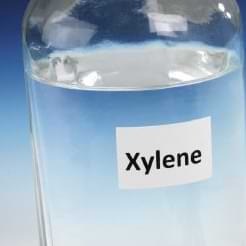
Xylene remains closely linked to naphtha production economics. Rising feedstock costs typically increase production expenses throughout the aromatic solvent chain.
Methyl Ethyl Ketone, commonly known as MEK, also experiences upward pricing pressure as petrochemical production costs increase.
n-Butyl acetate follows a similar pattern because its production depends on petrochemical intermediates influenced by energy markets.
Beyond solvents, acrylic systems also face higher manufacturing costs. Propylene serves as an essential upstream feedstock for acrylic acid, making acrylic emulsion dispersions vulnerable when crude prices strengthen.
Polyurethane Coatings Face Additional Supply Pressure
Polyurethane coating manufacturers face another challenge beyond rising oil prices.
MDI availability remains constrained because Gulf supply conditions continue to face uncertainty. The renewed focus on the Strait of Hormuz introduces additional logistical concerns that buyers cannot ignore.
For manufacturers producing high-performance industrial coatings, delayed MDI deliveries could create production bottlenecks even before significant price increases appear.
Supply Chain Risk Extends Beyond Pricing
Higher crude prices alone rarely create procurement challenges. Supply uncertainty often becomes the larger issue.
Current market conditions increase the possibility of:
Longer supplier lead times as manufacturers receive higher order volumes.
Reduced spot market availability for commonly traded solvents.
Greater freight volatility affecting imported raw materials.
Allocation programs from selected producers if regional supply tightens.
These factors encourage procurement teams to prioritize supply security alongside cost management.
Budget Revisions for H2 2026
Many procurement departments entered the second half of the year using cost assumptions prepared when Brent traded closer to $73.
That framework now requires adjustment.
Areas requiring immediate review include:
Raw material purchasing budgets for solvents and resin systems.
Manufacturing cost forecasts used for customer quotations.
Inventory replenishment schedules for critical coating ingredients.
Working capital planning as higher input prices increase purchasing requirements.
Companies delaying these revisions risk underestimating procurement costs throughout the remainder of the year.
Spot Buying Carries Greater Risk
During stable markets, spot purchases often provide flexibility.
Current conditions make that approach considerably less attractive.
As geopolitical uncertainty grows, suppliers may prioritize contracted customers before accepting spot inquiries. Buyers depending on last-minute purchasing could encounter both higher prices and reduced availability.
Confirmed purchase orders for Q3 solvent requirements provide greater planning certainty than relying on short-term market opportunities.
Procurement Priorities for Coatings Manufacturers
Purchasing teams can reduce operational risk by focusing on practical procurement actions.
Review solvent demand forecasts against updated production schedules rather than historical consumption alone.
Confirm supplier inventory positions before assuming standard delivery times remain available.
Evaluate secondary suppliers for critical materials that currently rely on a single production region.
Monitor freight availability alongside material pricing because transportation delays can affect production just as significantly as raw material shortages.
Coordinate closely with finance teams so revised crude assumptions appear consistently across procurement and budgeting models.
These measures improve resilience without requiring excessive inventory accumulation.
Market Outlook for the Rest of 2026
If Brent remains near the current level, coatings producers should expect continued upward pressure across several petrochemical-derived materials.
Pricing may not rise uniformly across every product category. Local inventory levels, regional demand and supplier operating rates will continue influencing individual chemical markets.
However, the overall procurement environment has clearly shifted away from the assumptions used only weeks ago. Buyers should treat the present crude level as the practical planning baseline while continuing to monitor geopolitical developments that could influence supply routes.
What Buyers Should Do Now
The combination of Brent at approximately $79, tighter petrochemical economics and renewed Gulf uncertainty creates a procurement environment that rewards preparation rather than reaction.
Organizations reviewing H2 2026 purchasing strategies should update cost models immediately, confirm supplier commitments and secure important solvent and additive volumes through firm purchase orders wherever commercially appropriate. Waiting for additional spot opportunities may expose operations to higher replacement costs and unnecessary supply disruptions.
Ready to source coatings raw materials from verified global suppliers? Explore competitive offers on our platform today.