Industrial Production vs Consumer Spending | Chemical Demand Intelligence | ChemicalsBlog.com
Commodity Chemicals
schedule5 Min Read
Basic Chemical Demand Still Tracks the Industrial Cycle, Not Consumers
terminal
prodchem
Jul 16, 2026
A common misconception is that chemical demand closely follows consumer spending.
In reality, the chemical industry sits much further upstream in the global economy.
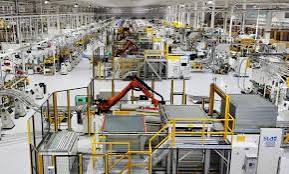
Most chemical products are purchased not by households but by manufacturers that convert them into vehicles, buildings, electronics, packaging, pharmaceuticals and thousands of other industrial products.
For procurement professionals, this distinction is critical because industrial production—not retail consumption—is usually the primary driver of chemical demand.
Chemicals Are an Industrial Input
Basic and specialty chemicals support virtually every manufacturing sector, including:
Automotive.
Construction.
Electronics.
Packaging.
Machinery.
Agriculture.
Pharmaceuticals.
Industrial equipment.
Demand therefore rises and falls primarily with factory activity rather than household purchasing patterns.
Manufacturing Drives Commodity Chemical Volumes
Commodity chemicals are especially sensitive to industrial output because they serve high-volume production processes.
Products commonly linked to manufacturing activity include:
Ethylene.
Propylene.
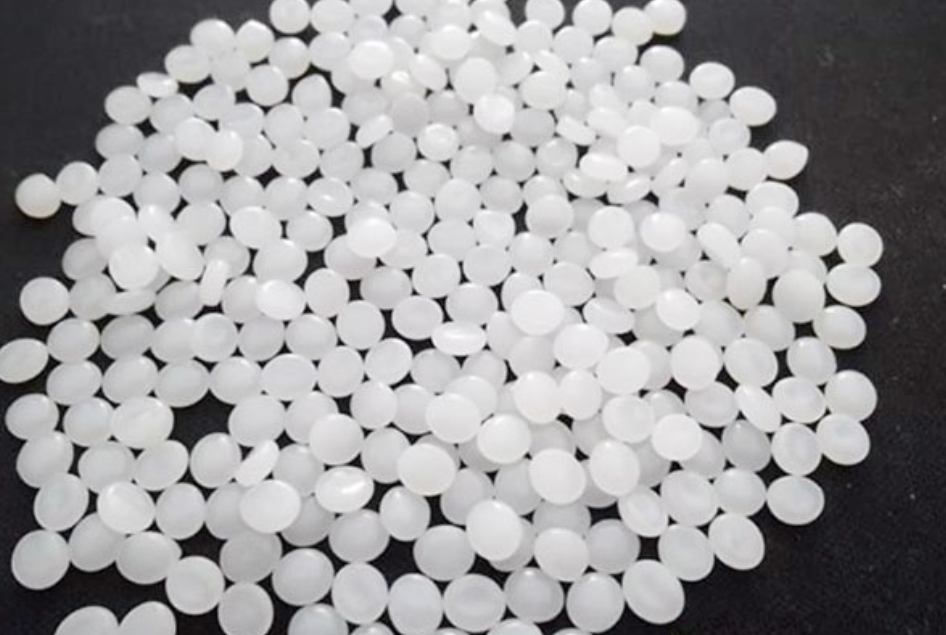
Polyethylene (PE).
Polypropylene (PP).
Polyvinyl Chloride (PVC).
Methanol.
Caustic Soda.
Soda Ash.
Changes in factory production typically influence these markets more directly than fluctuations in retail spending.
PMI Often Provides Earlier Market Signals
Manufacturing Purchasing Managers' Index (PMI) surveys frequently identify changes in industrial demand before they appear in production statistics.
PMI captures developments in:
New orders.
Production activity.
Supplier deliveries.
Inventories.
Employment.
Because manufacturers purchase raw materials before producing finished goods, PMI often serves as an early indicator for future chemical consumption.
Consumer Spending Still Matters—But Indirectly
Consumer demand remains important because it ultimately supports manufacturing.
However, its impact on chemicals usually follows a sequence:
Consumer demand → Manufacturing orders → Factory production → Chemical purchases.
For procurement planning, monitoring the manufacturing stage generally provides earlier and more actionable market intelligence.
Procurement Should Prioritise Industrial Indicators
When forecasting demand, procurement organisations should focus on:
Manufacturing PMI.
Industrial production.
Capacity utilisation.
Factory orders.
Capital expenditure.
Export activity.
Manufacturing inventories.
These indicators typically provide stronger insight into commodity chemical demand than headline consumer spending data alone.
Industrial Production Sets the Pace for Chemical Markets
Chemical manufacturers generally respond first to changes in industrial production rather than shifts in household consumption.
When factory activity slows, procurement teams often observe:
Lower raw material purchasing.
More cautious inventory replenishment.
Reduced capacity utilisation.
Greater supplier competition.
Softer demand for commodity chemicals.
More disciplined capital investment.
Conversely, strengthening manufacturing activity typically leads to increased chemical demand before consumer spending data fully reflects the broader economic recovery.
Different Chemical Segments Respond Differently
Although industrial production drives most chemical demand, the degree of sensitivity varies across product categories.
Basic Commodity Chemicals
These products generally respond quickly to changes in manufacturing output:
Ethylene.
Propylene.
Polyethylene (PE).
Polypropylene (PP).
PVC.
Methanol.
Soda Ash.
Caustic Soda.
Specialty Chemicals
These products often depend more heavily on specific end markets:
Semiconductor chemicals.
Battery materials.
Pharmaceutical ingredients.
Electronic specialty gases.
Performance coatings.
Advanced composites.
This distinction allows procurement teams to forecast different chemical markets more accurately.
Procurement Should Build an Industrial Intelligence Dashboard
Rather than relying on a single economic indicator, procurement organisations should continuously monitor:
Manufacturing PMI.
Industrial production.
Capacity utilisation.
Factory orders.
Producer Price Index (PPI).
Freight activity.
Export volumes.
Capital expenditure.
Automotive production.
Construction activity.
Together, these indicators provide a comprehensive view of industrial demand and future chemical consumption.
Procurement Priorities for H2 2026
As industrial activity remains the dominant driver of chemical demand, procurement teams should:
Prioritise manufacturing indicators over consumer spending when forecasting commodity chemical demand.
Monitor monthly PMI releases across major producing regions.
Align inventory planning with industrial production trends.
Evaluate supplier utilisation rates and production schedules.
Track capital investment and manufacturing expansion projects.
Separate procurement forecasts for commodity and specialty chemicals.
Integrate macroeconomic and industrial intelligence into supplier risk management.
These actions improve forecasting accuracy while strengthening procurement resilience in changing market conditions.
Looking Ahead to H2 2026
The chemical industry remains fundamentally an industrial business rather than a consumer business. While consumer spending ultimately supports economic growth, most chemical demand originates from factories that transform raw materials into finished products. As a result, industrial indicators such as Manufacturing PMI, industrial production, factory orders and capacity utilisation generally provide earlier and more reliable signals of future chemical demand than retail sales or consumer spending alone.
For procurement professionals, this distinction has important strategic implications. Commodity chemical markets are likely to respond first to shifts in manufacturing activity, while specialty chemicals may continue benefiting from structural growth drivers such as semiconductors, electrification, healthcare and advanced materials. Procurement strategies should therefore combine macroeconomic analysis with industry-specific demand indicators to improve forecasting and sourcing decisions.
The key lesson for H2 2026 is that industrial production remains the strongest leading indicator of global chemical demand. Organisations that build procurement strategies around manufacturing intelligence, supplier capacity analysis and industrial market trends will be better positioned to anticipate demand cycles, optimise inventories and maintain resilient supply chains.
Ready to source commodity and specialty chemicals from verified global manufacturers while leveraging industrial market intelligence to optimise procurement decisions? Explore competitive offers on our platform today.