The 2026 oil shock has changed the economics of feedstock strategy for specialty chemical producers. The conflict around the Strait of Hormuz has increased pressure on companies exposed to petroleum-derived inputs, encouraging producers to examine biosynthesized alternatives that can offer greater feedstock diversification and support Scope 3 decarbonization goals.
This is not a blanket replacement of petrochemicals with biomass. The strongest substitution is developing in applications where bio-based molecules can meet performance requirements while reducing exposure to fossil feedstock volatility.
Surfactants, lubricants, adhesives and coatings are among the categories attracting the most attention. Recent research also shows rapid development of bio-based polymers and functional additives, particularly where renewable raw materials can provide both environmental and performance benefits.
Why the 2026 Oil Shock Is Changing Specialty Chemical Feedstocks
Petroleum has historically provided specialty chemical manufacturers with a remarkably broad source of hydrocarbons. When crude oil and associated feedstock costs become unpredictable, however, producers have to consider whether every molecule in their portfolio needs to remain tied to fossil-derived inputs.
The 2026 shock has strengthened that discussion.
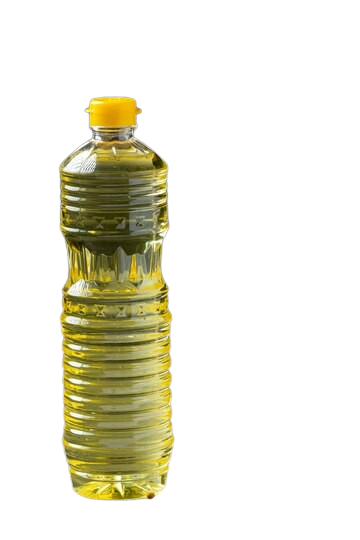
For specialty chemical companies, bio-based sourcing offers a potential hedge against petroleum exposure. Feedstocks such as vegetable oils, sugars, starches, cellulose and other biomass-derived materials can provide alternative carbon sources for selected molecules and formulations.
The economic case becomes stronger when companies can combine three benefits:
Feedstock diversification: Less dependence on a single fossil-derived supply chain.
Carbon reduction: Potentially lower fossil carbon intensity for selected products.
Product differentiation: A renewable-content proposition can support customer demand and regulatory positioning.
The result is a shift from treating bio-based chemistry solely as a sustainability project toward viewing it as part of supply-chain strategy.
Surfactants Are Among the Fastest Substitution Categories
Surfactants stand out because many formulations already use fatty alcohols, fatty acids and other feedstocks that can originate from renewable oils.
Recent research describes growing development of renewable surfactants with applications ranging from cleaning and food processing to drug delivery and enhanced oil recovery.
The substitution opportunity is particularly relevant where customers want biodegradable or lower-toxicity alternatives without sacrificing emulsification, wetting or foaming performance.
The 2026 market is also seeing more targeted switching rather than wholesale replacement. Kline's June 2026 analysis describes surfactants as a category where cost volatility, sustainability requirements and formulation needs are driving selective changes in HI&I cleaning formulations.
For chemical buyers, this means demand may move first toward specific surfactant families and applications where renewable chemistry already performs competitively.
Bio-Based Polymers Are Moving Into Higher-Value Applications
Bio-based polymers are another important growth area.
The technology has progressed beyond simple biodegradable plastics. Researchers and producers are developing renewable polymer systems and additives designed for packaging, coatings, adhesives and other applications where performance requirements remain demanding.
A 2026 study demonstrated a soybean-hull-derived biopolymer designed for packaging, printing and coating applications, highlighting how agricultural biomass can become a source of functional polymer materials.
The commercial attraction is clear.
A bio-based polymer can provide renewable carbon content while potentially opening new routes to performance characteristics that conventional petroleum-derived materials cannot easily provide.
However, procurement teams still need to evaluate consistency, scale, price and compatibility with existing processing equipment before switching suppliers.
Lubricants Offer a Practical Bio-Based Substitution Route
Lubricants provide another attractive application because vegetable oils and other renewable feedstocks can already deliver useful lubricity characteristics.
The opportunity is not limited to replacing conventional base oils molecule for molecule. Bio-based additives can also modify performance, improve biodegradability or reduce the fossil-derived content of a formulation.
Recent research into bio-based polymer additives identifies lubricants and processing aids as important areas for renewable-material development.
For industrial buyers, the critical issue remains operating performance.
A bio-based lubricant needs to tolerate the required temperature range, oxidation conditions, mechanical loads and storage environment. Where it does, producers can gain both a renewable-content advantage and another route to reduce petroleum exposure.
Adhesives offer particularly interesting substitution potential because formulators can redesign systems around renewable functional ingredients rather than simply replacing one commodity molecule.
Lignin, cellulose derivatives, tannic acid, plant proteins and other bio-based materials are being investigated as functional components in adhesives and coatings. A 2025 review found significant research activity around these materials while also highlighting challenges involving durability, microbial resistance, reproducibility and cost.
This means the commercial opportunity is strongest where a renewable ingredient performs a specific function.
For example, a bio-based additive that improves adhesion, mechanical stability or barrier properties may justify adoption more readily than a material whose only advantage is renewable origin.
That distinction will matter as specialty chemical buyers become more cost-conscious.
Coatings Are Combining Bio-Based Content With Performance
Coatings represent another important substitution market because manufacturers increasingly need formulations that balance durability with environmental requirements.
Current research covers bio-based polymeric coatings for corrosion protection, mechanical protection and other demanding applications.
The broader sustainable-coatings market is also moving beyond one technology. Waterborne systems, powder coatings, high-solids formulations, radiation-curable materials and bio-based hybrid systems are all being developed as ways to reduce environmental impact while preserving commercial performance.
For specialty chemical producers, this creates opportunities for bio-based binders, additives and modifiers rather than a single universal replacement.
The winning products will be those that provide measurable performance at an acceptable delivered cost.
What Is Driving the Fastest Substitution?
The strongest substitution categories share several characteristics.
Surfactants benefit from established renewable feedstocks and growing demand for biodegradable formulations.
Adhesives offer room to incorporate lignin, cellulose, tannins and other renewable functional materials into redesigned formulations.
Coatings are adopting bio-based polymers and additives where renewable content can coexist with durability and protection.
Lubricants can use plant-derived oils and renewable additives where technical specifications permit.
Bio-based polymers have the largest potential scope but face tougher requirements around mechanical performance, processing, cost and end-of-life characteristics.
The speed of substitution therefore depends less on whether a category is "green" and more on whether the alternative delivers a credible combination of price, performance and supply security.
Scope 3 Is Strengthening the Business Case
Feedstock substitution also connects directly to corporate emissions strategies.
For specialty chemical manufacturers, Scope 3 emissions can include emissions associated with purchased goods and services and upstream raw-material production. Moving selected inputs away from fossil resources can therefore contribute to broader decarbonization programs.
The business case becomes particularly compelling when customers themselves have Scope 3 reduction targets.
A coatings manufacturer may prefer a lower-carbon resin because its customers are measuring product footprints. A personal-care producer may seek renewable surfactants because brand owners increasingly request information about ingredient origin.
This creates a cascading effect through the supply chain.
The specialty chemical producer is not the only buyer asking for lower-carbon inputs. Its customers may push the requirement further upstream.
Bio-Based Does Not Automatically Mean Lower Cost
Procurement teams should avoid assuming that renewable chemistry will immediately beat petroleum-derived alternatives on price.
Bio-based molecules can face higher production costs, limited scale, feedstock competition and processing complexity. Supply can also vary with agricultural conditions and regional availability.
The economic comparison therefore needs to include more than the invoice price.
Buyers should assess:
Feedstock availability.
Production scale.
Renewable-content certification.
Carbon intensity.
Transportation requirements.
Storage stability.
Formulation compatibility.
Qualification costs.
Supply continuity.
Total lifecycle economics.
A slightly more expensive bio-based input can become commercially attractive if it reduces exposure to oil-price volatility or helps a producer meet customer decarbonization requirements.
Supply Chain Diversification Could Become the Bigger Story
The most important consequence of the bio-based chemicals boom may not be decarbonization alone.
It could be feedstock diversification.
Specialty chemical companies that previously depended heavily on petroleum-linked inputs can build portfolios containing both fossil-derived and renewable sources. That gives procurement teams more options when energy markets become unstable.
For traders, this creates new opportunities across the upstream supply chain.
Potentially attractive feedstocks include:
Vegetable oils.
Fatty acids.
Fatty alcohols.
Glycerine.
Starch derivatives.
Sugars.
Cellulose derivatives.
Lignin-based materials.
The ability to offer reliable renewable feedstock can become a competitive advantage as specialty manufacturers expand bio-based formulations.
Traders Need to Verify More Than Renewable Origin
A renewable feedstock claim does not by itself guarantee commercial suitability.
Chemical buyers need documentation covering origin, specifications, production consistency and applicable sustainability attributes. They also need confidence that the supplier can maintain quality as volumes increase.
This is particularly important for specialty formulations.
A buyer switching from a petroleum-derived raw material may need to reformulate, conduct stability testing and qualify the new source. A supplier that supports this technical process can reduce the friction involved in substitution.
The strongest bio-based suppliers will sell reliability alongside renewable content.
Where Procurement Opportunities Are Emerging
Chemical traders can position themselves around the categories where substitution is most technically feasible.
For surfactants, renewable fatty feedstocks and sugar-derived chemistry are logical areas to watch. For coatings and adhesives, lignin, cellulose and plant-derived polymers offer a growing pool of alternatives. For lubricants, renewable oils and functional additives can support selected industrial applications.
The opportunity is also emerging in hybrid formulations.
Manufacturers do not necessarily need to make a product 100% bio-based. A partial substitution that reduces fossil content while preserving performance can be commercially attractive.
This incremental approach may allow buyers to reduce transition risk while building experience with renewable supply chains.
What Buyers Should Ask Before Switching
Procurement managers evaluating bio-based specialty chemicals should treat qualification as a technical and commercial exercise.
Key questions include:
What percentage of the product's carbon content is bio-based?
What feedstock does the supplier use?
Can the supplier maintain consistent specifications at commercial scale?
What certifications support renewable-content or sustainability claims?
How does performance compare with the incumbent petroleum-derived material?
What reformulation or equipment changes are required?
How exposed is the alternative to agricultural feedstock volatility?
Can the supplier provide long-term capacity commitments?
These questions can separate commercially viable alternatives from products that remain primarily demonstration technologies.
The Outlook for Bio-Based Specialty Chemicals
The 2026 environment is giving renewable chemistry a stronger strategic role.
Surfactants appear particularly well positioned because renewable feedstocks and established formulation applications create a practical route to substitution. Bio-based polymers, adhesives and coatings are developing rapidly as researchers improve functionality and industrial compatibility.
The transition will not eliminate petroleum-derived specialty chemicals.
Instead, producers are likely to build increasingly mixed portfolios in which renewable and fossil-derived inputs compete according to economics, technical performance, supply security and carbon requirements.
That makes the current oil shock more than a temporary cost problem. It is encouraging specialty chemical manufacturers to reassess the architecture of their feedstock supply chains.
The Bottom Line for Specialty Chemical Buyers
The bio-based specialty chemicals boom is moving from sustainability messaging toward practical procurement strategy. Surfactants, lubricants, adhesives, coatings and bio-based polymers are among the categories where renewable inputs can increasingly address both supply-chain exposure and Scope 3 objectives.
The strongest adoption will occur where three conditions overlap: the bio-based alternative performs well, the supply chain can support commercial volumes and the economics remain competitive after qualification.
For chemical traders, this creates an opportunity to build renewable feedstock portfolios before substitution becomes a mainstream sourcing requirement. For manufacturers, it offers a way to diversify away from petroleum while responding to customers demanding lower-carbon products.
The 2026 oil shock may therefore accelerate a transition that was already underway, turning bio-based chemistry from a sustainability option into a strategic supply-chain tool.