The biobased chemicals sector faces a tumultuous landscape in 2026 as federal support structures shift dramatically. Industry commentary from mid-year highlights a significant pullback in US cleantech subsidies. This policy change creates uncertainty for producers who relied on government incentives to bridge the cost gap with fossil-based alternatives. Despite these headwinds new fermentation platforms are reaching commercial volumes at an accelerating pace. The sector demonstrates remarkable resilience compared to the struggling biofuels market. Procurement teams must navigate this complex environment to secure sustainable supply chains without overpaying for policy-dependent inputs.
The Impact of Waning US Cleantech Subsidies
US policy has historically played a crucial role in scaling up green chemistry initiatives. Tax credits and direct grants helped early-stage technologies compete against established petrochemical processes. The recent withdrawal of this support removes a critical financial cushion for many producers. Companies must now stand on their own economic merits rather than regulatory arbitrage.
This shift forces a rapid reassessment of business models and pricing strategies. Producers can no longer rely on subsidies to offset high production costs. Efficiency improvements and scale become the primary drivers of competitiveness. Those who fail to achieve cost parity risk exiting the market entirely.
Buyers should expect increased price volatility as producers adjust to the new reality. Some suppliers may raise prices to maintain margins while others cut costs aggressively. Understanding the financial health of potential partners is more important than ever. Procurement teams must verify that suppliers have viable paths to profitability without government aid.
The biobased chemicals sector is expected to fare better than biofuels in this challenging environment. This divergence stems from the different economic structures of the two industries. Biofuels compete directly with commoditized fossil fuels where price is the sole deciding factor. Margins are thin and heavily dependent on policy mandates and subsidies.
Biobased chemicals often offer unique performance characteristics that justify premium pricing. Properties such as biodegradability or lower toxicity provide value beyond simple carbon content. Customers in specialty applications are willing to pay for these functional benefits. This differentiation reduces reliance on federal subsidies for market viability.
Specialty applications allow for higher margin retention compared to commodity fuels.
Performance benefits create customer stickiness and reduce price sensitivity.
Regulatory drivers like plastic bans support demand independent of energy policy.
Diverse feedstock options provide flexibility in sourcing and cost management.
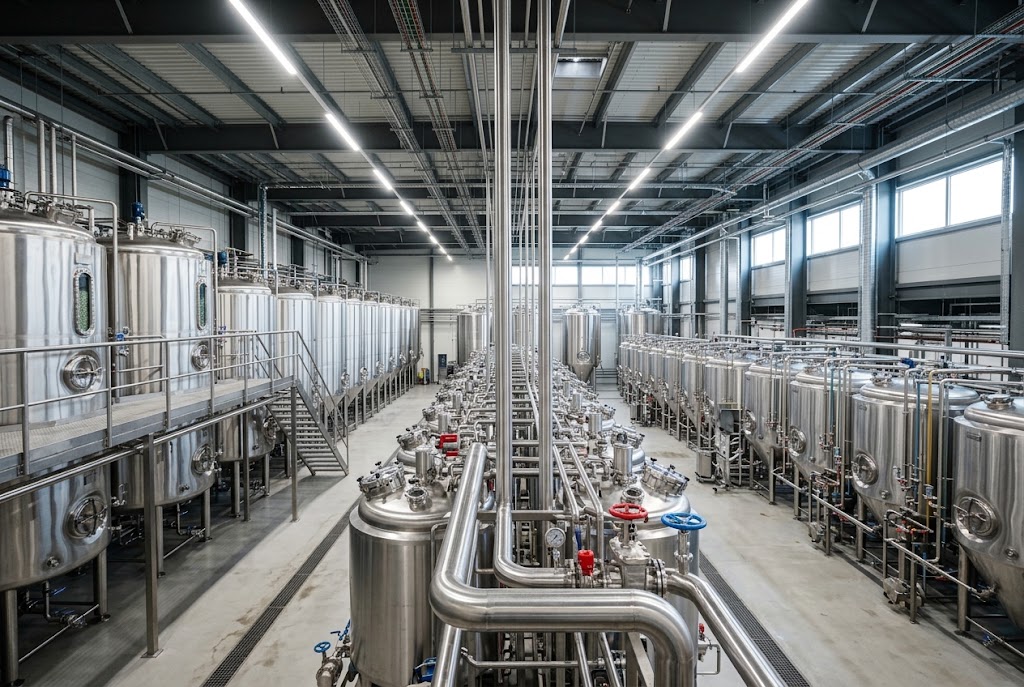
Despite the subsidy pullback technological progress continues to drive the sector forward. New fermentation platforms are achieving commercial volumes that were once considered distant goals. These facilities demonstrate that biological routes can produce chemicals at scale and consistent quality. The success of these platforms validates the technical feasibility of biobased production.
Advanced strain engineering and process optimization have significantly improved yields. Higher conversion rates reduce the amount of biomass required per ton of product. This efficiency gain lowers input costs and improves overall economics. Producers are now able to compete more effectively with traditional chemical synthesis methods.
Procurement teams should prioritize suppliers operating these mature platforms. Established commercial operations offer greater supply security and reliability than pilot plants. Consistent quality and volume availability are critical for industrial buyers. Partnering with proven leaders mitigates the risk of technology failure.
Navigating Feedstock Volatility and Sourcing Risks
Biobased production relies heavily on agricultural feedstocks such as corn sugarcane or vegetable oils. Prices for these inputs fluctuate based on weather conditions and global food demand. The removal of subsidies exacerbates the impact of these fluctuations on production costs. Producers must implement robust hedging strategies to manage this volatility.
Sourcing risks also include competition with the food industry for raw materials. Ethical concerns about land use and food security add another layer of complexity. Buyers must ensure their suppliers adhere to strict sustainability criteria. Certifications such as ISCC or RSB provide assurance of responsible sourcing practices.
Diversifying feedstock sources helps mitigate supply chain disruptions. Using waste streams or non-food crops reduces pressure on primary agricultural markets. Innovations in cellulosic ethanol open up new possibilities for inexpensive inputs. Procurement teams should explore suppliers who utilize these advanced feedstock options.
Strategic Implications for Procurement Teams
The changing landscape requires a more strategic approach to sourcing biobased chemicals. Buyers must look beyond price to evaluate the long-term viability of suppliers. Financial stability and technological leadership are key indicators of future performance. Contracts should include clauses that address price adjustments linked to feedstock costs.
Collaboration with suppliers can drive mutual benefits in this transitional period. Joint development projects may lead to custom solutions that meet specific needs. Sharing risk and reward strengthens partnerships and ensures supply continuity. Open communication about market challenges fosters trust and alignment.
Monitoring policy developments remains essential despite the current pullback. Future administrations may reintroduce support mechanisms or impose new carbon taxes. Staying informed allows buyers to anticipate changes and adapt strategies accordingly. Flexibility and agility are crucial for navigating this dynamic environment.
The Role of Customer Demand in Driving Growth
End-user demand for sustainable products continues to grow across various industries. Brands face pressure from consumers and investors to reduce their environmental footprint. This demand creates a stable market for biobased ingredients regardless of subsidy levels. Companies that can verify the bio-content of their products gain a competitive edge.
Procurement teams play a vital role in enabling this transition for their organizations. Sourcing verified biobased chemicals supports corporate sustainability goals and marketing claims. Accurate documentation and traceability are essential for maintaining credibility. Buyers must work closely with suppliers to ensure data integrity.
Educating internal stakeholders about the benefits of biobased chemicals builds support. Highlighting performance advantages and environmental impacts justifies potential cost premiums. Demonstrating value beyond price helps secure budget approval for sustainable sourcing. Strategic alignment with corporate goals drives long-term commitment.
Looking Ahead to Market Consolidation
The withdrawal of subsidies will likely trigger a wave of consolidation in the sector. Weaker players unable to achieve cost parity may be acquired or exit the market. This consolidation will leave behind stronger more efficient producers. Buyers may face fewer supplier options but benefit from increased stability and scale.
Monitoring merger and acquisition activity provides insights into market trends. Identifying emerging leaders helps buyers position themselves for future partnerships. Early engagement with consolidating entities can secure favorable terms. Strategic foresight enables procurement teams to stay ahead of market shifts.
Investment in research and development will continue to drive innovation. Surviving companies will focus on next-generation technologies to maintain their edge. Buyers should stay informed about breakthroughs in enzyme technology and metabolic engineering. These advancements will shape the future capabilities of the biobased sector.
The Bottom Line for Procurement Teams
The biobased chemicals sector faces significant challenges in 2026 due to waning US subsidies. However the emergence of commercial-scale fermentation platforms offers a path forward. The sector's reliance on performance differentiation rather than pure price competition provides resilience. Procurement teams must prioritize suppliers with proven technology and financial stability.
Navigating feedstock volatility and ensuring ethical sourcing remain critical tasks. Strategic partnerships and collaborative innovation will drive success in this transitional period. Buyers who adapt to the new reality will secure sustainable and reliable supply chains. The future of biobased chemicals depends on economic viability not just policy support.
Ready to source biobased chemicals from verified global suppliers? Explore competitive offers on our platform today.