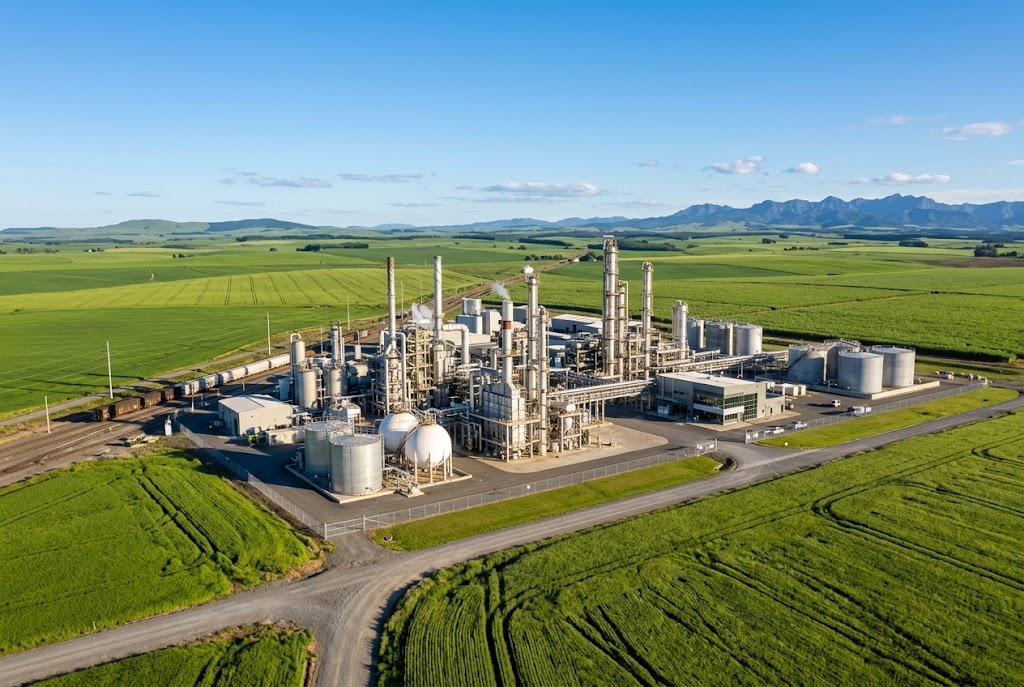
India rolled out a multibillion rupee Bio E3 initiative in March 2026 to secure its economic future. The program focuses on Economy Environment and Employment through sovereign biomanufacturing capabilities. This strategic move directly addresses the vulnerability exposed by the recent Strait of Hormuz disruption. Agricultural and pharmaceutical sectors now have a clear pathway to reduce dependence on imported fossil fuels. Global chemical traders must monitor this policy as it sets a template for other import-dependent economies. The shift from petrochemicals to bio-based alternatives creates new sourcing opportunities and challenges.
The Strategic Response to the Hormuz Oil Shock
The Strait of Hormuz serves as a critical artery for global energy supplies. Disruptions in this region cause immediate spikes in crude oil prices and feedstock costs. India’s heavy reliance on imported oil makes its economy particularly sensitive to these shocks. The March 2026 crisis highlighted the urgent need for energy and material independence.
Bio E3 aims to decouple industrial production from volatile fossil fuel markets. By leveraging domestic biomass resources India can produce essential chemicals locally. This sovereignty reduces exposure to geopolitical risks and currency fluctuations. The initiative represents a fundamental shift in national industrial strategy.
Procurement teams sourcing from India must understand the implications of this pivot. Suppliers may gradually shift their production bases from naphtha to biomass. This transition affects product specifications pricing and availability. Buyers who adapt early will secure more resilient supply chains.
Pillars of the Bio E3 Framework
The Bio E3 initiative rests on three interconnected pillars designed to drive sustainable growth. Each pillar addresses a specific national challenge while supporting the others. Understanding these components helps buyers align their strategies with government priorities.
Economy focuses on creating high-value biomanufacturing jobs and reducing import bills.
Environment emphasizes carbon reduction and sustainable use of agricultural waste.
Employment targets skill development in rural areas where biomass is sourced.
This holistic approach ensures that biomanufacturing contributes to broad national development. It is not just about producing chemicals but also about uplifting communities. Suppliers participating in Bio E3 programs often receive preferential treatment and support.
Impact on the Agricultural Chemical Sector
Agriculture stands to benefit significantly from the Bio E3 push. Traditional fertilizers and pesticides rely heavily on petroleum-derived inputs. Bio-based alternatives offer similar efficacy with lower environmental impact. Farmers gain access to affordable locally produced inputs that improve soil health.
The initiative encourages the conversion of crop residues into valuable biochemicals. This process reduces waste burning and provides additional income for farmers. Procurement managers should look for suppliers integrating these circular economy practices. Sourcing from such partners supports sustainability goals and community development.
Biostimulants and biopesticides are likely to see increased production capacity. These products align with global trends toward organic and sustainable farming. Indian exporters may become key suppliers of these niche products. Buyers in Europe and North America should monitor this emerging supply source.
The pharmaceutical sector is another major beneficiary of the Bio E3 initiative. Many active pharmaceutical ingredients (APIs) are currently synthesized using petrochemical solvents. Switching to bio-based solvents reduces toxicity and improves process safety. This shift aligns with global regulatory demands for greener manufacturing processes.
India is already a global hub for generic drug production. Bio E3 strengthens this position by securing raw material supplies. Local production of key intermediates reduces dependence on Chinese imports. This diversification enhances supply chain security for global healthcare systems.
Buyers of pharmaceutical chemicals should expect changes in product origins. Suppliers may introduce new bio-based variants of common solvents and reagents. Verifying the quality and consistency of these new inputs is crucial. Collaboration with suppliers during the transition ensures smooth adoption.
Opportunities for Global Chemical Traders
The Bio E3 initiative opens new avenues for international trade and investment. Global companies can partner with Indian firms to access advanced biomanufacturing technologies. Joint ventures may accelerate the development of novel bio-based products. These partnerships provide entry into the large and growing Indian market.
Exporters of biotechnology equipment and enzymes will find increased demand. Indian facilities require specialized tools to process biomass efficiently. Supplying these critical components supports the expansion of the sector. Traders should identify key players in the Indian biomanufacturing ecosystem.
Sourcing bio-based chemicals from India offers cost advantages due to lower labor and feedstock costs. However buyers must account for logistics and quality control challenges. Establishing strong relationships with reliable partners mitigates these risks. Long-term contracts help stabilize supply and pricing.
Challenges in Scaling Biomanufacturing Capacity
Despite the strong policy support scaling biomanufacturing faces significant hurdles. Biomass collection and logistics remain fragmented and inefficient. Building a robust supply chain for raw materials requires substantial investment. Suppliers must develop networks with millions of smallholder farmers.
Technology transfer and skill gaps also pose challenges. Advanced fermentation and purification techniques require specialized expertise. Training the workforce takes time and resources. Buyers should be patient as suppliers build their capabilities.
Regulatory frameworks for bio-based products need further clarification. Standards for quality and safety must align with international norms. Harmonizing these regulations facilitates global trade. Engaging with industry bodies helps shape these evolving standards.
A Template for Other Import-Dependent Economies
India’s Bio E3 initiative serves as a model for other nations facing similar vulnerabilities. Countries in Southeast Asia and Africa may adopt similar strategies. Monitoring these developments helps anticipate shifts in global chemical flows. Early engagement with these emerging markets provides competitive advantages.
The success of Bio E3 depends on effective implementation and sustained political will. Regular reviews and adjustments will refine the program over time. Buyers should stay informed about policy updates and incentives. Adapting sourcing strategies to reflect these changes ensures long-term resilience.
Global chemical markets will increasingly reflect the rise of sovereign biomanufacturing. Diversifying supply sources beyond traditional petrochemical hubs becomes essential. Procurement teams must remain agile and informed. The future of chemical trade is green and decentralized.
The Bottom Line for Procurement Teams
India’s Bio E3 initiative marks a pivotal moment in global chemical supply chains. Reducing reliance on imported oil enhances economic stability and environmental sustainability. Agricultural and pharmaceutical sectors lead this transformation with innovative bio-based solutions. Procurement teams must adapt to this new reality by sourcing from emerging biomanufacturing hubs.
Partnering with Indian suppliers offers access to cost-effective and sustainable products. Understanding the Bio E3 framework helps navigate this transition successfully. Long-term resilience depends on diversifying supply sources and embracing green chemistry. The shift away from fossil fuels is accelerating and irreversible.
Ready to source bio-based chemicals from verified global suppliers? Explore competitive offers on our platform today.