The recent acquisition of Genomatica by Copenhagen-based Again marks a pivotal moment for the global biomanufacturing sector. This strategic consolidation lands squarely amid strong momentum from the US BIOSECURE Act. It also aligns with a massive federal commitment of up to $15 billion for domestic bio-infrastructure.
These policy shifts aim to drastically reduce dependence on overseas chemical production. Procurement managers and chemical traders must recognize how this reshoring push alters global supply chains. Buyers will see a structural shift toward localized and secure production hubs.
The integration of advanced fermentation technology with new capital investments accelerates this transition. Companies can now scale sustainable chemical production within North America more efficiently. This development offers buyers a reliable alternative to traditional imported petrochemicals. The convergence of private innovation and public funding creates an unprecedented opportunity for the industry.
The Impact of the BIOSECURE Act on Chemical Sourcing
The US BIOSECURE Act introduces strict guidelines for biotechnology supply chains. It targets vulnerabilities associated with foreign-owned biomanufacturing equipment and data systems. This legislation forces companies to reevaluate their current vendor networks.
Chemical buyers must now prioritize suppliers with transparent and secure operational footprints. The Again and Genomatica merger directly addresses these compliance requirements. Their combined platform offers a secure domestic alternative for critical chemical intermediates.
Traders should expect increased scrutiny on the origin of biobased materials. Documentation proving domestic processing will become a standard procurement requirement. This regulatory environment heavily favors companies investing in North American infrastructure. Supply chain transparency is no longer optional but a fundamental business requirement.
Federal Funding Accelerates Domestic Bio-Infrastructure
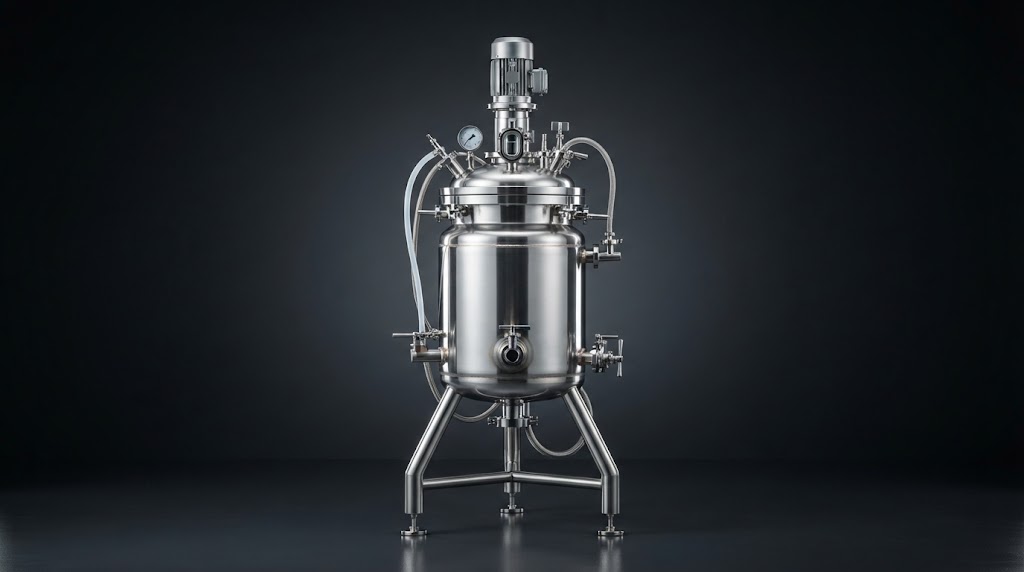
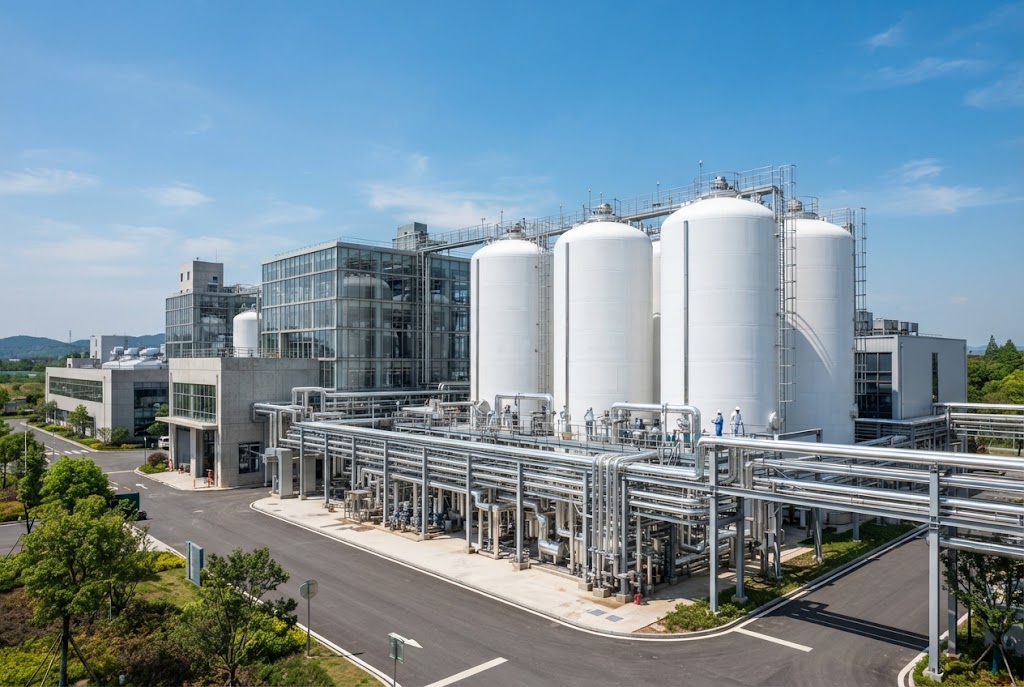
The federal commitment of up to $15 billion represents a massive catalyst for industrial biotech. This funding targets the construction of new fermentation facilities and advanced research centers. It aims to bridge the gap between laboratory innovation and commercial-scale production.
Again plans to leverage this financial support to expand its operational footprint rapidly. The acquisition of Genomatica provides the proven technology needed to utilize these funds effectively. This combination accelerates the deployment of large-scale biomanufacturing plants across the region.
Buyers will benefit from increased domestic capacity for essential chemical building blocks. Localized production reduces transit times and minimizes exposure to global shipping disruptions. Procurement teams can rely on more predictable lead times for their material requirements. This stability allows manufacturers to optimize their inventory management strategies significantly.
Reducing Dependence on Overseas Chemical Production
Traditional chemical supply chains rely heavily on manufacturing hubs in Asia. Geopolitical tensions and logistical bottlenecks frequently disrupt these long-distance trade routes. Reshoring biomanufacturing operations mitigates these systemic risks significantly.
Domestic production ensures a stable supply of critical molecules regardless of international trade disputes. The Again and Genomatica partnership exemplifies this strategic shift toward self-reliance. Their integrated platform can produce high-volume chemicals without relying on foreign feedstocks.
Importers must adapt to this changing landscape by diversifying their supplier base. Sourcing from domestic biomanufacturers provides a hedge against international supply shocks. This strategy enhances overall supply chain resilience for downstream manufacturers. Companies that fail to adapt risk severe operational disruptions during future global crises.
Key Molecules Driving the Reshoring Initiative
The reshoring push focuses on high-demand industrial chemicals with clear biobased alternatives. 1,4-butanediol stands out as a primary target for domestic fermentation. This versatile molecule serves as a critical precursor for polyurethanes and engineering plastics.
Other key targets include various organic acids and specialty polyols. These materials support diverse industries ranging from automotive manufacturing to textile production. Genomatica has a proven track record of scaling these specific molecules commercially.
Procurement managers should evaluate these biobased options against their current petrochemical contracts. Domestic production often offers superior quality control and faster delivery schedules. Buyers gain a strategic advantage by securing these sustainable materials early. Early adoption also positions companies as leaders in corporate sustainability initiatives.
Navigating the New Regulatory Landscape
Compliance with new biomanufacturing regulations requires proactive supply chain management. Buyers must verify that their suppliers adhere to strict data security and operational standards. The BIOSECURE Act mandates rigorous auditing of biotechnology partners.
Companies utilizing the Again and Genomatica platform benefit from built-in compliance frameworks. Their domestic operations naturally align with federal security requirements. This alignment simplifies the procurement process for highly regulated industries.
Traders should also monitor evolving sustainability reporting mandates. Federal funding often comes with strict environmental performance metrics. Suppliers must provide verifiable data on carbon reductions and resource efficiency. Accurate reporting will soon become a mandatory prerequisite for major commercial contracts.
The Economic Case for Domestic Biomanufacturing
Beyond regulatory compliance, domestic biomanufacturing presents a compelling economic argument. Localized production eliminates hefty international freight costs and import tariffs. These savings can offset the initial premium often associated with biobased chemicals.
Furthermore, domestic facilities create high-value jobs and stimulate regional economies. This economic contribution often qualifies companies for additional state-level tax incentives. Procurement teams can leverage these financial benefits to justify the transition to sustainable materials.
The long-term cost stability of biobased feedstocks also provides a hedge against fossil fuel volatility. Renewable resources like agricultural waste offer more predictable pricing models. Buyers can lock in favorable long-term contracts without fearing sudden petrochemical price spikes.
Strategic Sourcing Actions for Procurement Teams
Procurement leaders must update their vendor evaluation criteria immediately. Prioritize suppliers with domestic manufacturing capabilities and secure data infrastructure. This shift protects your organization from future regulatory penalties.
Consider the following strategic actions for the coming year:
Audit current chemical supply chains for overseas dependencies. Identifying vulnerabilities allows for proactive mitigation strategies and prevents unexpected shortages.
Engage with biomanufacturing pioneers to secure early access to new domestic capacity. Building relationships now ensures priority allocation during periods of market tightness.
Request detailed compliance documentation from all potential biotechnology partners. Verifying adherence to the BIOSECURE Act prevents costly supply disruptions and legal liabilities.
Negotiate flexible contracts that account for evolving regulatory requirements. This flexibility protects your organization from sudden compliance costs and operational delays.
Invest in digital tracking tools to monitor supplier performance continuously. Real-time data provides the visibility needed to make informed and agile sourcing decisions.
The Bottom Line for Procurement Teams
The consolidation of Again and Genomatica signals a definitive shift toward domestic biomanufacturing. Federal funding and the BIOSECURE Act create a powerful tailwind for this reshoring initiative. Buyers must adapt their sourcing strategies to capitalize on these emerging secure supply chains.
Companies that prioritize domestic biobased chemicals will build more resilient operations. This proactive approach mitigates geopolitical risks and ensures regulatory compliance. The future of chemical procurement belongs to those who embrace secure and sustainable local production. Ready to source Lactic Acid from verified global suppliers? Explore competitive offers on our platform today.