The chemical industry faces relentless volatility in fossil fuel prices and ongoing supply chain disruptions. To combat this instability, leading producers are actively pivoting toward feedstock independent manufacturing models. Again recently outlined a long-term vision to design pathways that do not rely on a single raw material source.
This strategic shift directly addresses the inherent vulnerabilities of traditional petrochemical production. Procurement managers and chemical traders must recognize the immense value of this diversification. Securing alternative inputs ensures consistent availability of essential industrial molecules regardless of crude oil fluctuations.
Buyers who prioritize suppliers with flexible production capabilities will build significantly more resilient supply chains. This evolution marks a critical turning point for global chemical sourcing strategies. The ability to switch between carbon capture and agricultural resources redefines market reliability.
The Strategic Shift Toward Feedstock Independence
Petrochemical manufacturing traditionally depends on a narrow range of fossil inputs. Naphtha and ethane dominate the feedstock landscape for steam crackers globally. This concentration creates severe exposure to geopolitical tensions and oil market shocks.
Biobased producers are actively dismantling this dependency through innovative biological and catalytic pathways. Again aims to utilize carbon dioxide, renewable sugars and various waste streams interchangeably. This flexibility allows facilities to optimize production based on real-time regional availability.
Procurement teams benefit directly from this operational agility. Suppliers can maintain output even when one specific feedstock experiences a shortage or price spike. This redundancy prevents costly production halts and ensures steady delivery schedules for critical industrial applications.
Mitigating Petrochemical Cost Volatility
Fossil feedstock prices fluctuate wildly based on global macroeconomic conditions. These swings translate directly into unpredictable pricing for downstream chemical buyers. A feedstock independent platform acts as a natural hedge against this market volatility.
Producers can seamlessly transition to the most economically viable input at any given moment. Switching to renewable sugars protects operations when crude oil prices surge unexpectedly. Utilizing captured carbon dioxide provides a stable alternative when agricultural yields face seasonal disruptions.
Blending multiple inputs ensures continuous production without halting expensive reactor operations. This dynamic optimization keeps manufacturing costs stable and predictable over time. Buyers gain access to more consistent contract pricing and avoid sudden spot market premiums.
Expanding the Portfolio of Essential Chemicals
Feedstock independence is not limited to simple commodity chemicals. Advanced biological synthesis now enables the production of complex polymer intermediates. Molecules like 1,4-butanediol and various nylon precursors are increasingly viable through fermentation.
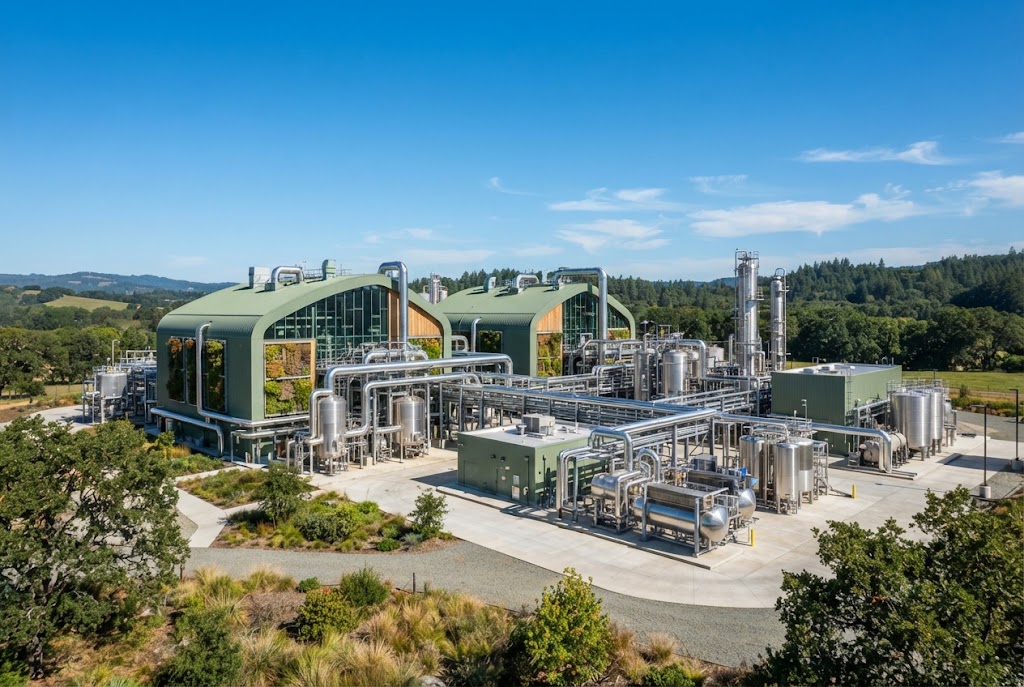
Again integrates these advanced pathways into its broader manufacturing platform. This expansion moves sustainable chemistry beyond basic acetic acid production. Downstream manufacturers in the automotive and textile sectors benefit immensely from this material diversity.
They can source high-performance materials without compromising on strict environmental targets. The technology proves that biological routes can match the rigorous quality standards of petrochemical equivalents. This compatibility eliminates the need for costly retooling at existing manufacturing sites.
Enhancing Global Supply Chain Resilience
Relying on a single geographic region for chemical feedstocks creates systemic risks. Trade barriers and logistical bottlenecks frequently disrupt traditional supply lines. A feedstock independent model encourages decentralized production networks globally.
Facilities can be built closer to diverse raw material sources worldwide. Regions with abundant agricultural output can focus on sugar-based fermentation. Areas with heavy industrial emissions can prioritize carbon capture utilization technologies.
This geographic distribution minimizes the impact of localized disruptions. Importers and exporters must adapt to these new and dynamic trade flows. Sourcing strategies should prioritize partners who demonstrate this high level of operational redundancy.
Regulatory and Sustainability Advantages
Governments worldwide are implementing stricter carbon pricing and emissions regulations. Petrochemical producers face mounting financial penalties for high embedded carbon. Feedstock independent pathways naturally align with these evolving regulatory frameworks.
Using renewable or waste inputs drastically reduces the overall carbon footprint of chemical production. Corporate buyers face intense pressure to meet Scope 3 emission reduction targets. Sourcing from a flexible biobased platform provides verifiable sustainability data.
This transparency simplifies compliance reporting and enhances brand reputation significantly. Suppliers who can prove feedstock versatility will secure preferential status in green public procurement contracts. This advantage becomes increasingly valuable as environmental mandates tighten globally.
Overcoming Scaling and Integration Challenges
Achieving true feedstock independence requires significant technological and capital investment. Managing multiple conversion processes within a single facility demands advanced process control. Operators must maintain strict quality standards across different biological and catalytic routes.
Securing long-term agreements for diverse raw materials also presents logistical hurdles. Suppliers must guarantee consistent quality for both agricultural sugars and industrial carbon streams. Investors require clear proof of commercial viability before funding these complex multi-feedstock plants.
Despite these challenges, the long-term strategic benefits far outweigh the initial implementation costs. Companies that master this integration will dominate the future chemical landscape. The market will increasingly reward those who eliminate single points of failure.
The Role of Advanced Data in Feedstock Optimization
Modern feedstock independent facilities rely heavily on real-time data analytics. Operators use advanced software to monitor global commodity prices and local agricultural yields. This digital infrastructure enables rapid switching between carbon dioxide and sugar inputs.
Procurement teams can leverage this data transparency to forecast pricing trends accurately. Suppliers who share this operational visibility build stronger trust with their buyers. Digital tracking also simplifies the auditing process for sustainability certifications.
This technological edge separates true innovators from traditional chemical manufacturers. Buyers should prioritize partners who invest heavily in digital supply chain management. Such capabilities ensure long-term reliability in an unpredictable global market.
What Procurement Teams Should Do Now
Procurement leaders must audit their current chemical supply chains for feedstock vulnerabilities. Identifying over-reliance on single-source petrochemical inputs is the critical first step. Engaging with producers who offer feedstock independent alternatives mitigates this risk effectively.
Buyers should request detailed lifecycle assessments from their chemical vendors. Understanding the exact input sources helps validate sustainability claims and supply security. Building strategic partnerships with innovative manufacturers ensures priority access during market shortages.
Negotiating flexible offtake agreements can also lock in favorable terms as these new capacities come online. Proactive communication with suppliers reveals their contingency plans for feedstock disruptions. This collaborative approach builds a more robust and reliable procurement strategy.
The Bottom Line for Chemical Buyers
The pursuit of feedstock independence represents a fundamental evolution in chemical manufacturing. Again and similar pioneers are proving that flexible production pathways are commercially viable. This shift shields the industry from the inherent volatility of fossil fuel markets.
Buyers who embrace these versatile biobased solutions will build stronger, more resilient operations. The future of chemical trading belongs to those who prioritize supply chain agility. Ready to source Lactic Acid from verified global suppliers? Explore competitive offers on our platform today.