The agricultural sector experienced a massive shift in crop protection strategies during the first half of 2026. Uncertainty regarding conventional pesticide availability from March to June drove farmers to trial biological alternatives at unprecedented rates.
Biopesticide sales grew 34 percent year-over-year in the second quarter. This figure starkly contrasts with the typical 8 to 12 percent annual growth rates observed in previous years.
Europe and North America led this rapid adoption curve. Major industry players reported unprecedented demand across all biological product categories.
Bayer CropScience's Biologicals Division, BASF Agricultural Solutions, Marrone Bio and Koppert all reported order backlogs stretching 8 to 12 weeks. This sudden market disruption forces procurement professionals and agronomists to answer a critical question.
Will farmers maintain this biopesticide usage now that conventional chemicals are available? Or will they revert to familiar synthetic chemistries?
The answer will define the future structure of the global crop protection market. Procurement managers must prepare for lasting changes in agricultural input sourcing.
The Drivers Behind the 34 Percent Q2 Growth Surge
Conventional supply chain fractures created immediate gaps in farmer inventories. Distributors could not guarantee delivery dates for standard synthetic herbicides and insecticides. This unreliability forced agricultural operators to seek immediate alternatives.
Biological crop protection products offered a viable and accessible substitute. Farmers prioritized crop survival over long-term application habits. The immediate need to protect yields outweighed the learning curve associated with new biological products.
This urgency accelerated product trials that might have otherwise taken years to implement. Regulatory tailwinds also supported this rapid transition. European Union policies already favored reduced synthetic pesticide usage.
The supply crisis merely accelerated compliance with these impending environmental regulations. Farmers discovered that biological solutions could meet both regulatory demands and immediate agronomic needs.
Major Industry Players Face Unprecedented Demand
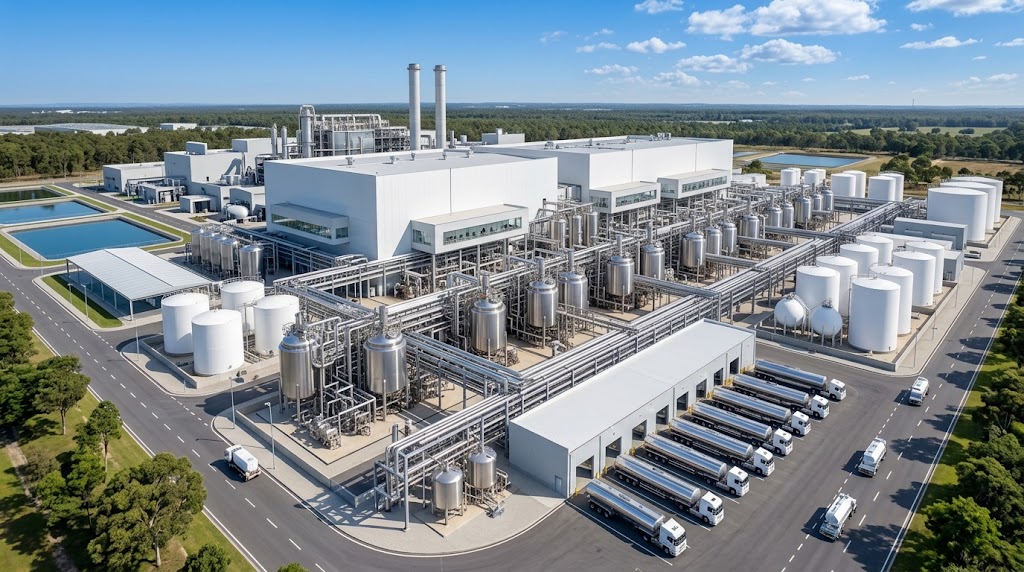
The sudden spike in demand overwhelmed existing biological manufacturing capacities. Companies like Bayer CropScience's Biologicals Division and BASF Agricultural Solutions scaled up production rapidly. However, biological manufacturing requires complex fermentation processes that cannot be rushed.
Specialty players such as Marrone Bio and Koppert experienced similar operational strain. These companies reported order backlogs of 8 to 12 weeks throughout the peak planting season.
Backlog management became a primary focus for biological manufacturers.
Allocation strategies prioritized long-term contract holders over spot market buyers.
Investment in new fermentation capacity accelerated to meet future demand projections.
This supply constraint highlighted the fragility of the biological supply chain. Scaling biological production requires significant capital and time. The industry must build resilience to handle future demand spikes.
Structural Adoption Versus Temporary Substitution
The core question for the second half of 2026 revolves around farmer retention. Will agricultural operators continue using biopesticides now that conventional supply chains have stabilized? Early indicators suggest a mixed but promising outlook.
Many farmers discovered tangible benefits during their forced trials. Biological products often improve soil health and leave no harmful chemical residues. These secondary benefits create a strong incentive for continued use.
However, cost and efficacy concerns remain significant barriers. Biopesticides generally carry a higher price per hectare compared to mature synthetic alternatives. Furthermore, biological products often require more precise application timing and specific environmental conditions to achieve maximum efficacy.
Farmers facing tight profit margins may revert to familiar chemistries if biological products fail to deliver consistent results. The retention rate will depend heavily on the agronomic support provided by biological manufacturers during this critical transition period.
Supply Chain Diversification as a Permanent Strategy
The crisis proved that over-reliance on a narrow set of conventional chemical suppliers poses severe operational risks. Agricultural enterprises now recognize the value of a diversified crop protection portfolio.
Procurement managers are actively restructuring their vendor lists. They are incorporating biological suppliers alongside traditional chemical providers. This hybrid approach ensures continuous access to effective crop protection solutions regardless of market volatility.
Building relationships with biological manufacturers requires a shift in procurement philosophy. Buyers must evaluate suppliers based on technical support, application expertise and product consistency. Price becomes just one factor in a broader value assessment.
Regional distributors are also adapting to this new reality. They are expanding their warehouse capacities to hold larger inventories of temperature-sensitive biological products. This infrastructure investment signals long-term confidence in the biopesticide market.
Navigating the New Crop Protection Landscape
Agronomists and procurement teams must collaborate closely to optimize this new hybrid model. Integrated Pest Management strategies will become the standard operating procedure. These strategies blend synthetic and biological tools to maximize efficacy while minimizing environmental impact.
Training programs for farm workers will expand to cover proper biological application techniques. Education is critical to realizing the full potential of these advanced crop protection tools.
Data analytics will also play a larger role in biological product deployment. Precision agriculture technologies help farmers apply biopesticides at the exact moment and location required for optimal performance. This targeted approach improves cost efficiency and overall crop health.
Manufacturers are responding by bundling digital advisory services with their biological products. This added value helps farmers overcome the initial learning curve and ensures proper product utilization.
The Bottom Line for Agricultural Procurement Teams
The 34 percent growth in biopesticide sales during Q2 2026 was not merely a temporary anomaly. It represented a stress test that proved the viability of biological alternatives at scale. While some reversion to conventional chemistries is inevitable, a significant portion of this new demand will likely stick.
Procurement professionals must prepare for a permanently altered crop protection market. Diversifying suppliers, investing in agronomic education and embracing Integrated Pest Management are no longer optional strategies. They are essential components of a resilient agricultural supply chain.
Ready to source Lactic Acid from verified global suppliers? Explore competitive offers on our platform today.
Sources
https://www.bayer.com/en/agriculture/news/2026/biologicals-division-q2-growth-report
https://www.basf.com/global/en/media/news-releases/2026/agricultural-solutions-biopesticide-demand.html
https://www.marronebioinnovations.com/investor-relations/2026-q2-earnings-backlog-update