The global agricultural sector narrowly avoided a catastrophic supply chain failure during the 2026 planting season. A severe glyphosate supply crisis threatened Northern Hemisphere spring planting for soybeans, cotton and corn. Gulf facilities producing glyphosate technical, including SABIC's Ibn Sina facility and UAE generic manufacturers, represent 18 percent of global capacity. Their complete outage from February to June 2026 created an immediate void in the market. This disruption highlighted the extreme concentration risk in global agrochemical manufacturing. The top eight global production sites currently represent 67 percent of total capacity for this single-most-used herbicide. Without rapid intervention, global crop yields would have plummeted. Fortunately, strategic emergency measures stabilized the market before irreversible damage occurred. Procurement managers must now reassess their sourcing strategies to prevent future vulnerabilities. Adapting to this new reality is essential for long-term operational stability.
The Anatomy of the 2026 Glyphosate Supply Crisis
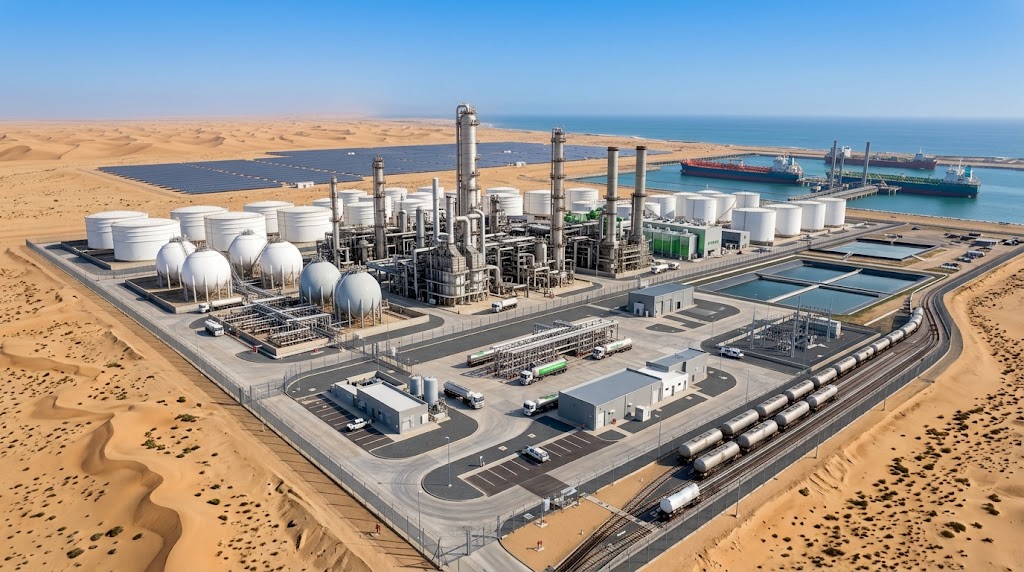
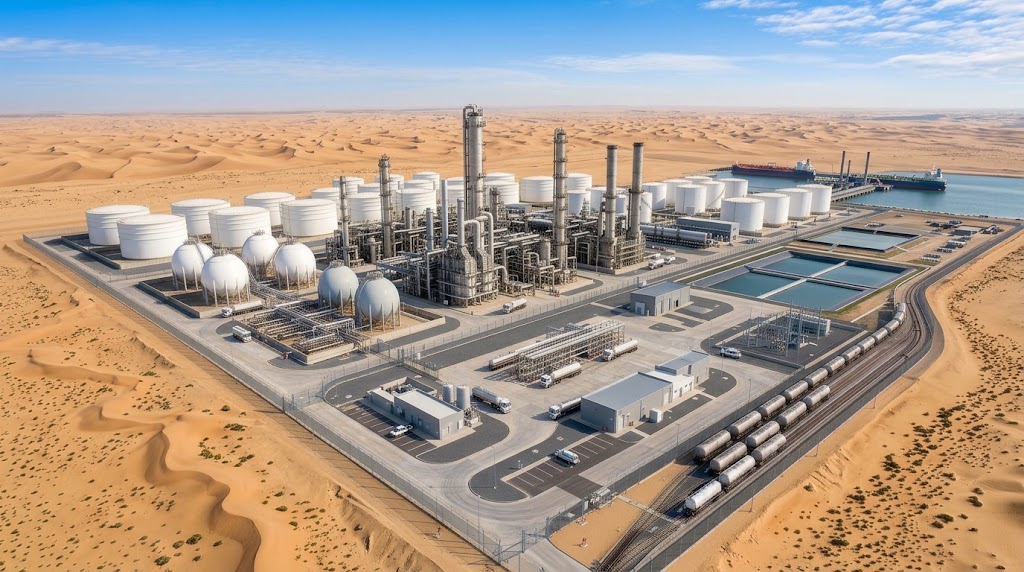
Gulf region outages created an immediate void in global herbicide availability. The Ibn Sina facility and regional generic manufacturers halted production entirely. This sudden loss of 18 percent of global capacity sent shockwaves through agricultural supply chains.
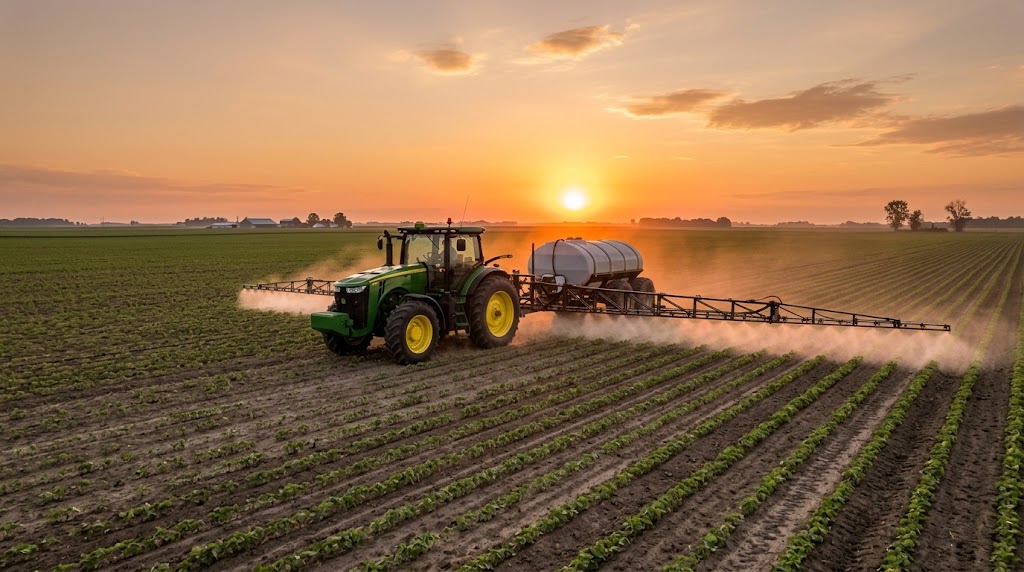
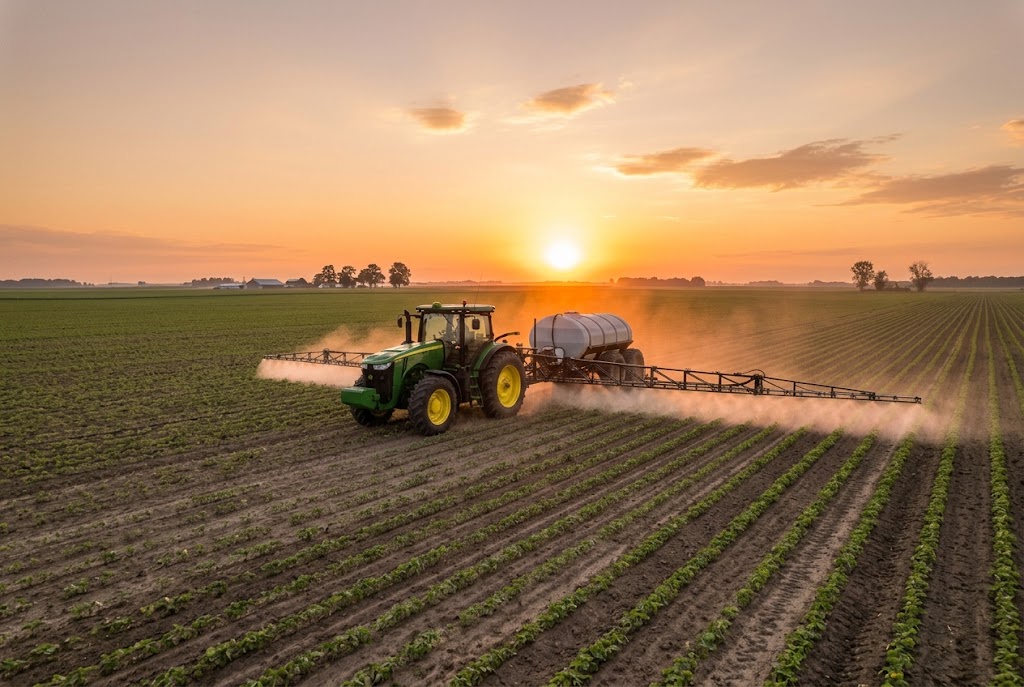
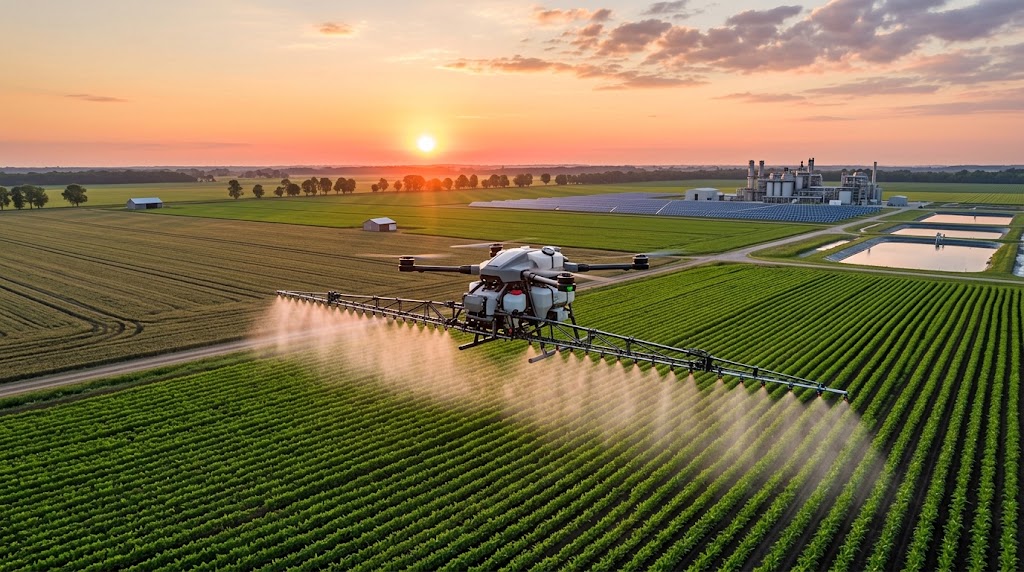
Northern Hemisphere farmers faced imminent planting deadlines for major row crops. Soybeans, cotton and corn require timely herbicide application for effective weed control. A delay in glyphosate availability would have directly compromised crop yields.
The market reacted swiftly to the supply shock. Panic buying and hoarding exacerbated the initial shortage. Distributors struggled to fulfill existing contracts as inventory levels dropped to critical lows.
China Emergency Exports Avert Agricultural Collapse
The Chinese government intervened decisively to stabilize the global market. The National Development and Reform Commission authorized emergency export quota increases. This action released an additional 340,000 tons of glyphosate technical into the global supply chain.
Major producers like Zhejiang Wynca, Nantong Jiangshan and Hubei Xingfa accelerated their manufacturing schedules. These facilities ramped up production to meet the sudden surge in international demand. Their rapid response prevented acute shortages across North America and Europe.
This coordinated effort highlights the critical role of state-backed industrial policy in global commodity markets. Without this emergency intervention, the 2026 planting season would have faced unprecedented disruption.
The Financial Impact of Doubled Herbicide Prices
The financial consequences of the supply disruption were severe for agricultural producers. Q2 2026 glyphosate prices reached $8.40 per kilogram. This figure represents a 100 percent increase from the $4.20 per kilogram pre-crisis baseline.
These elevated prices directly impacted farm-level economics. Per-hectare crop production costs increased by $18 to $27 for major row crops. Farmers absorbed these costs to ensure timely planting and weed management.
Agrochemical distributors also faced margin compression. They struggled to pass the full price increase onto end-users without losing market share. The entire value chain experienced significant financial strain during this period.
Concentration Risk in Global Agrochemical Manufacturing
The crisis exposed severe vulnerabilities in the current manufacturing landscape. The top eight global production sites represent 67 percent of total capacity for this essential herbicide. This extreme geographic and corporate concentration creates systemic risk.
Any localized disruption, whether geopolitical or environmental, immediately impacts global availability. Relying on a handful of mega-facilities leaves the agricultural sector highly exposed. Supply chain resilience requires a more distributed manufacturing network.
Buyers must recognize that low-cost sourcing often comes with hidden fragility. Procurement strategies prioritizing the absolute lowest price ignore the cost of potential supply failures. Diversification is no longer optional for critical agricultural inputs.
Strategic Sourcing Lessons for Agrochemical Buyers
Procurement teams must fundamentally rethink their vendor selection criteria. Relying on a single geographic region for critical inputs is a dangerous strategy. Buyers should implement the following risk mitigation steps:
Qualify secondary suppliers in alternative geographic regions to ensure backup production capacity.
Negotiate long-term contracts with explicit supply continuity clauses and minimum inventory buffers.
Share detailed planting schedules and volume projections with manufacturers to improve capacity planning.
Collaborative forecasting with suppliers improves overall supply chain visibility. This transparency reduces the likelihood of sudden allocation shortfalls. Proactive communication builds stronger partnerships during volatile market periods.
The Bottom Line for Agricultural Procurement Teams
The 2026 glyphosate supply crisis served as a stark warning for the global agricultural sector. Emergency interventions prevented a total collapse, but the financial damage was substantial. Prices doubled, and farm-level costs increased significantly across major row crops.
The extreme concentration of production capacity remains a critical vulnerability. Procurement professionals must prioritize supply chain resilience over marginal cost savings. Building a diversified, transparent and robust sourcing network is essential for future stability.
Ready to source Glyphosate from verified global suppliers? Explore competitive offers on our platform today.
Sources
https://www.ndrc.gov.cn/english/2026/glyphosate-emergency-export-quota-announcement
https://www.sabic.com/en/news/2026/ibn-sina-facility-operational-update
https://www.agrochemicalinsights.com/reports/2026-q2-glyphosate-pricing-analysis