Saudi Arabia has committed $23 billion to non-oil chemical investments during May and June 2026. This massive capital injection explicitly targets crisis resilience under the broader Vision 2030 framework. The Kingdom is executing a decisive strategic shift away from traditional commodity petrochemicals. Instead, the focus now rests on higher-margin and lower-volume specialty chemicals. This transition directly impacts global supply chains and procurement strategies worldwide. Western specialty chemical producers must now prepare for emerging competition in market segments previously considered entirely defensible. Electronic chemicals, advanced polymers and pharmaceutical intermediates are no longer immune to Gulf region competition. Procurement managers and industry buyers must monitor these developments closely to anticipate future market shifts. This structural change redefines the competitive landscape for global chemical trade.
The $23 Billion Vision 2030 Chemical Strategy
The recent $23 billion commitment represents a fundamental realignment of Saudi industrial policy. Lead investors including SABIC, Saudi Aramco and Ma'aden are driving this transformation. They are directing capital toward projects that reduce exposure to volatile commodity markets. This approach builds a more robust and diversified national chemical portfolio.
The strategy explicitly frames these investments as crisis resilience measures. Recent global supply chain disruptions highlighted the vulnerabilities of relying solely on bulk exports. Diversifying into specialized segments provides a buffer against future geopolitical or logistical shocks.
Financial markets are responding positively to this strategic pivot. Investors view the diversification as a necessary step for long-term economic viability. State-backed entities are leveraging their existing financial strength to accelerate this transition.
Key Projects Driving the Diversification Push
Three major project categories anchor this massive investment wave. Each targets a specific strategic gap in the current global chemical market.
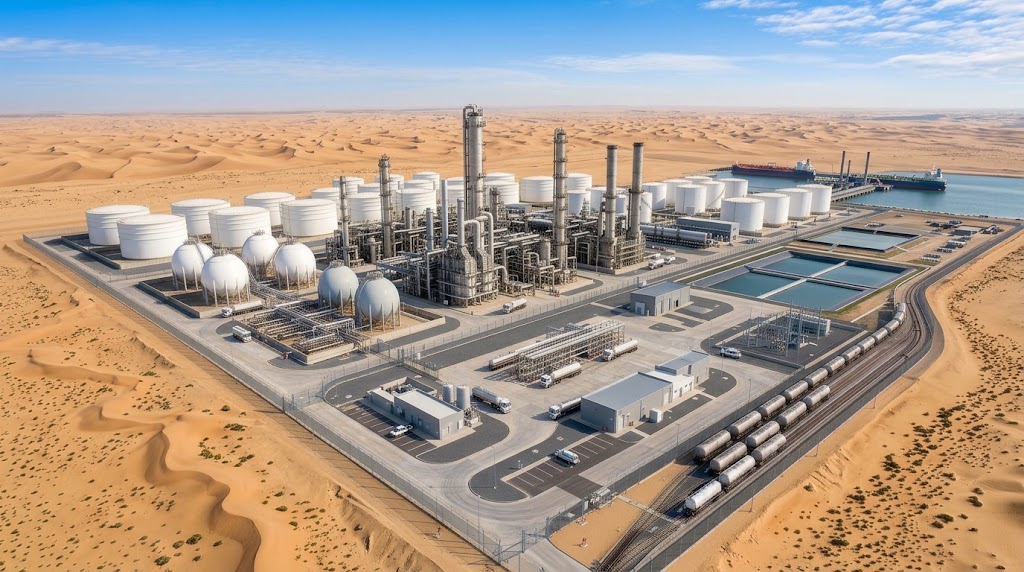
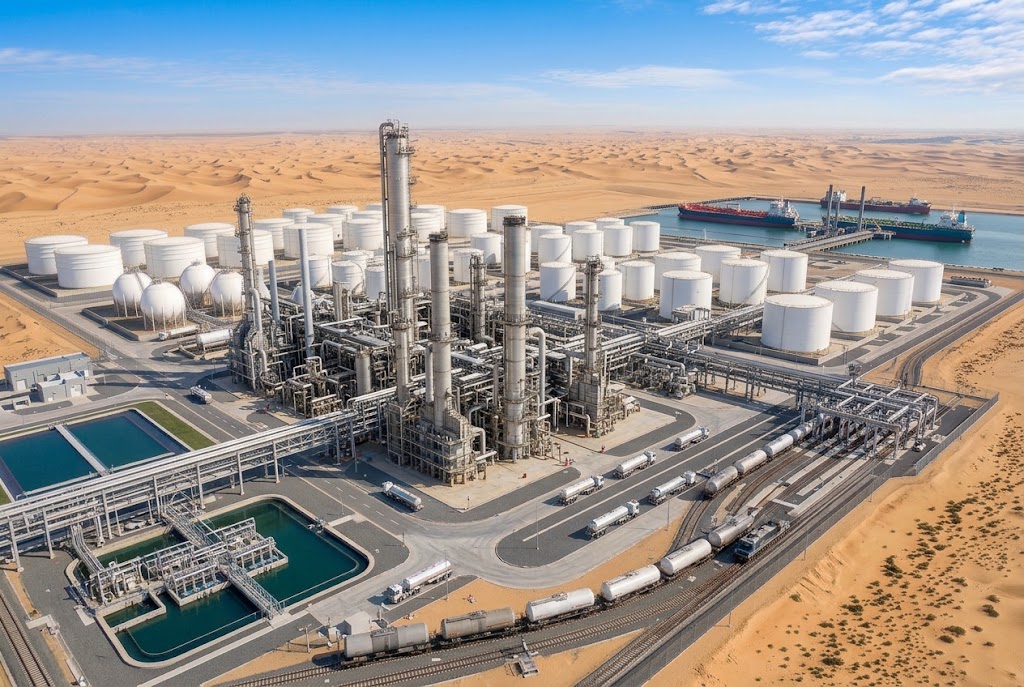
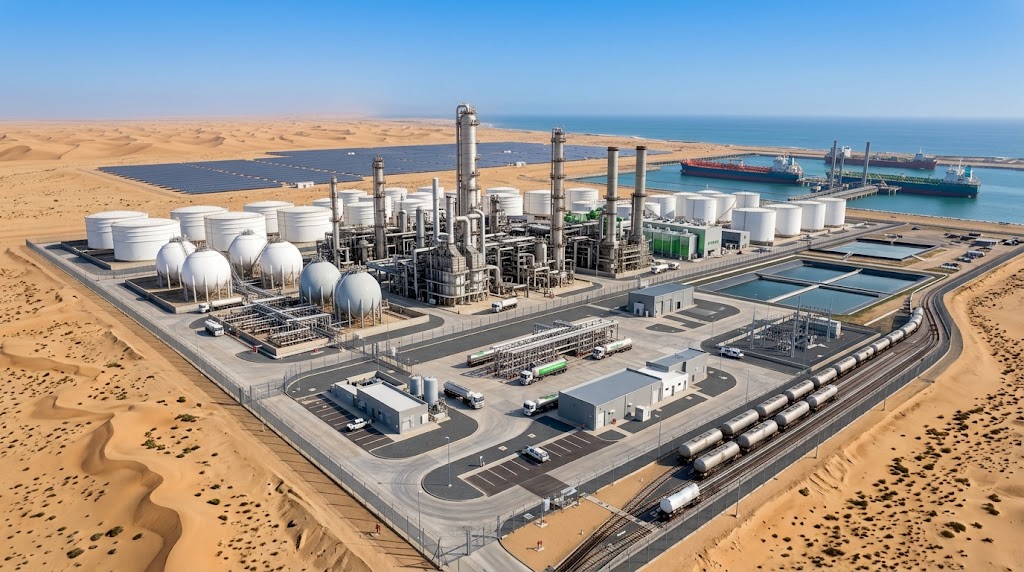
A new specialty chemicals complex at Ras Al Khair will significantly reduce commodity exposure. This facility will focus on high-value intermediates rather than bulk resins.
An advanced materials facility dedicated to battery chemicals aims for rapid import substitution. This positions Saudi Arabia as a key supplier for the global electric vehicle supply chain.
New chemical recycling infrastructure establishes a strong circular economy positioning. This addresses growing regulatory demands for sustainable material sourcing across Europe and North America.
These projects demonstrate a clear understanding of future market demands. The Kingdom is proactively building capacity in sectors with projected long-term growth. The Ras Al Khair complex will integrate directly with existing desalination and power infrastructure. This synergy reduces operational costs and improves overall facility efficiency.
The Shift from Commodities to Specialty Chemicals
The Gulf region has historically dominated global commodity petrochemical production. Massive scale and low feedstock costs provided an unbeatable competitive advantage in bulk markets. However, this model leaves producers highly vulnerable to cyclical price swings and trade disputes.
The new strategy deliberately pivots toward higher-margin specialties. These products require advanced technical expertise rather than just massive capital expenditure. They also offer more stable pricing and longer-term customer relationships.
This transition demands significant upgrades in research and development capabilities. Saudi chemical firms are actively recruiting global talent to build these internal competencies. The goal is to achieve technological parity with established Western and Asian producers.
Moving up the value chain also reduces the environmental footprint per dollar of revenue. Specialty polymers command premium pricing due to their specific performance characteristics. This pricing power insulates producers from the brutal price wars common in bulk markets.
Implications for Western Specialty Chemical Producers
Western manufacturers can no longer assume their market positions are secure. The Saudi push into electronic chemicals, advanced polymers and pharmaceutical intermediates introduces direct competition. These segments were previously considered safe havens due to high barriers to entry.
Saudi producers will leverage their existing infrastructure and capital strength to accelerate market entry. They can potentially undercut established players on price while matching quality standards. This dynamic will force Western companies to innovate faster and justify premium pricing through superior service or unique formulations.
Furthermore, Saudi producers are investing heavily in application development centers. These centers will work directly with end-users to customize material properties. Intellectual property protection will become a critical focus for incumbent producers facing this new reality.
Supply Chain and Procurement Impacts
Global procurement teams will experience tangible effects from this regional diversification. Buyers of advanced materials will soon have more supplier options originating from the Middle East. This increased competition could drive down prices for battery chemicals and specialty polymers.
However, qualifying these new suppliers requires rigorous technical validation. Procurement managers must allocate resources for extensive product testing and supply chain audits. Rushing to adopt new sources without proper vetting introduces significant quality risks.
Long-term supply contracts may need restructuring to reflect this new competitive reality. Buyers can use the emergence of Saudi specialty producers as leverage in negotiations with existing Western vendors. This fosters a more balanced and cost-effective procurement strategy.
Inventory management strategies must also evolve to accommodate new lead times. Buyers should establish safety stock levels that account for potential shipping delays from the Middle East. This proactive approach prevents production halts during unexpected logistical bottlenecks.
Navigating the New Competitive Landscape
Industry participants must adapt their strategic planning to account for this shift. Western producers should accelerate their own innovation pipelines to stay ahead of the current curve. Focusing on ultra-niche applications or proprietary technologies will help maintain market share.
Trading companies and distributors should evaluate new partnership opportunities with Saudi entities. Early engagement with these emerging producers can secure favorable distribution rights. Building these relationships now provides a first-mover advantage in rapidly growing specialty segments.
Regulatory compliance will remain a critical factor in market access. Saudi exports must meet stringent environmental and safety standards in target markets. Procurement teams should verify that new suppliers possess the necessary international certifications.
Market intelligence gathering will separate successful procurement teams from the rest. Subscribing to regional trade reports and attending industry conferences in the Gulf will provide early warnings. Staying informed allows buyers to capitalize on new market entrants before competitors do.
The Bottom Line for Procurement Teams
The $23 billion Saudi chemical diversification acceleration marks a permanent shift in global trade dynamics. The era of the Gulf region focusing exclusively on bulk commodities is ending. Higher-margin specialty chemicals and advanced materials are now central to the national industrial strategy.
Procurement professionals must update their sourcing maps to include these new Middle Eastern players. Evaluating suppliers based on technical capability and sustainability credentials will become standard practice. The competitive landscape for electronic chemicals, advanced polymers and pharmaceutical intermediates will intensify significantly.
Ready to source Acrylonitrile Butadiene Styrene (ABS) from verified global suppliers? Explore competitive offers on our platform today.
Sources
https://www.sabic.com/en/news/2026/specialty-chemicals-investment-update
https://www.aramco.com/en/news-media/news/2026/advanced-materials-facility-announcement
https://www.maaden.com.sa/en/media-center/news/2026/ras-al-khair-complex-expansion