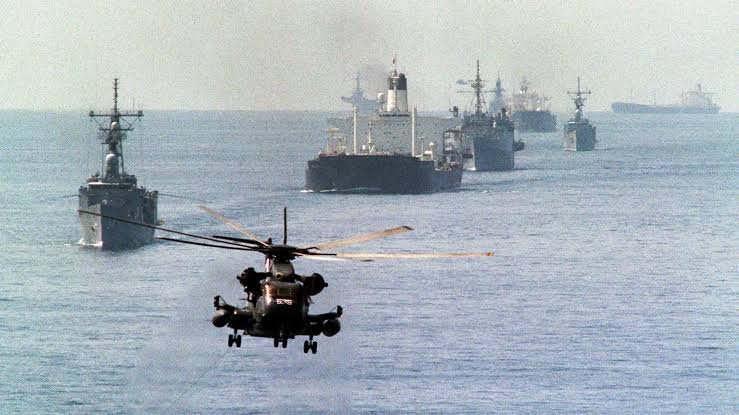
At least three US service members and two seafarers have died this month, while more than a dozen people have sustained injuries during the latest escalation. These figures mark a critical shift from geopolitical tension and commodity volatility toward direct human consequences.
For chemical traders, procurement managers and industrial buyers, casualty intelligence must remain separate from routine market statistics while still informing operational risk analysis. Deaths and injuries can change military posture, shipping decisions, insurance terms and corporate duty-of-care requirements. They also signal that the threat extends beyond financial markets into the physical systems that move oil, refined products and chemicals. Procurement teams should track the human toll respectfully and alongside shipping, port and supplier data.
Why Casualty Intelligence Changes the Risk Classification
Market participants often begin an escalation by tracking oil prices, exchange rates and equity volatility. Casualties introduce a different category of information because they confirm that the conflict has produced direct physical harm.
The deaths of service members can influence military decisions, political pressure and the probability of further action. Seafarer casualties can directly affect shipping companies, vessel crews, insurers and port operators.
For procurement intelligence teams, this can justify moving the situation into a higher operational risk category. The issue no longer concerns only the possibility of disruption.
Human losses can produce immediate commercial responses:
Shipping companies may reconsider routes, schedules and crew deployment.
Insurers may reassess war-risk premiums and coverage conditions.
Port operators may strengthen security procedures.
Suppliers may shorten quotation validity due to logistics uncertainty.
Buyers may increase inventory protection for critical materials.
Casualty figures should never become a simple market indicator. Their relevance lies in the operational changes that often follow them.
Distinguishing Military and Maritime Casualties
The current human toll includes at least three US service members and at least two seafarers. These groups occupy different parts of the conflict environment, so intelligence teams should analyse the operational implications separately.
Military casualties can influence the pace and scope of official responses. They may increase pressure for retaliation, stronger protection measures or changes in operational strategy.
Seafarer casualties carry a more direct connection to commercial trade. Crew safety sits at the centre of every shipping decision, especially when vessels operate near conflict-exposed waters.
A carrier may technically retain access to a route but decide that the risk to personnel has become unacceptable. This can reduce vessel availability even without a formal closure.
Chemical importers should therefore avoid defining disruption only through blocked ports or interrupted production. A route can remain open while becoming commercially harder, slower and more expensive to use.
Building a Responsible Casualty Timeline
A casualty timeline should record confirmed human losses without reducing individuals to numbers. Its purpose is to identify escalation patterns and their operational consequences.
The timeline should connect each reported incident with relevant changes in military activity, shipping conditions and commercial behaviour.
Intelligence teams can structure the record around four questions:
Who faced the harm? Separate military personnel, commercial crews and other affected groups.
Where did the incident occur? Location helps determine exposure to ports, terminals and shipping corridors.
What changed afterward? Track route advisories, security measures, insurance adjustments and operational decisions.
Did the event alter market behaviour? Compare the incident with freight rates, vessel movement and supplier terms.
This structure maintains the human importance of the information while supporting disciplined risk analysis.
Why Seafarer Deaths Matter to Chemical Shipping
At least two seafarers have died during the current escalation. For chemical trade, this is an especially serious signal because maritime transport depends on trained crews accepting the risks associated with specific routes and cargoes.
Chemical tankers already operate under demanding safety requirements. They may carry flammable, corrosive or otherwise hazardous materials that require specialised handling and emergency procedures.
Conflict exposure adds another risk layer.
Shipowners must consider crew safety, vessel damage, rescue capacity and access to secure ports. Even when a route remains navigable, companies may reduce sailings or demand stronger commercial compensation.
The resulting pressure can appear through:
Higher freight rates
War-risk surcharges
Longer transit schedules
Reduced tanker availability
More restrictive charter terms
Delayed loading or discharge windows
These changes can affect delivered chemical costs before product availability changes at the manufacturing level.
Injuries Can Signal Wider Operational Exposure
More than a dozen people have reportedly sustained injuries this month. Injury figures can reveal a wider risk footprint than fatalities alone because they may involve multiple incidents, locations or operational environments.
For intelligence teams, the pattern matters.
A concentrated incident can trigger a specific response around one vessel or facility. Injuries across several events may indicate that exposure has become broader and harder to contain.
The severity and location of incidents can influence emergency preparedness. Ports and carriers may review medical support, evacuation plans and crew protection measures.
Chemical companies also carry duty-of-care responsibilities for employees, contractors and logistics partners. Buyers should examine whether suppliers and freight providers have adequate emergency procedures for conflict-exposed routes.
This includes communication protocols, alternative ports and plans for cargo already in transit.
Human safety should remain the first consideration. Supply continuity planning should follow from that priority.
How Casualties Can Influence Insurance Markets
Marine insurers assess the probability and potential cost of vessel damage, cargo loss, delay and harm to personnel. Confirmed casualties can materially change that assessment.
War-risk premiums may rise when insurers see evidence that threats have moved from theoretical to physical.
Coverage conditions may also become more restrictive. Insurers can require additional reporting, approved routing or stronger security measures before covering a voyage.
Chemical cargoes may face particular scrutiny because accidents involving hazardous products can create complex recovery and environmental risks.
Procurement teams should ask logistics partners to separate standard freight charges from war-risk and insurance costs. This helps buyers understand whether rising landed prices come from fuel, vessel scarcity or security exposure.
Insurance pressure can persist even after oil prices ease. Risk premiums usually depend on operational confidence, not only commodity markets.
Casualties and the Probability of Further Escalation
Human losses can alter the political and military trajectory of a conflict. Service member deaths may increase pressure for a stronger response, while civilian or commercial maritime casualties can widen international concern.
For chemical market intelligence, the key issue is whether the casualties increase the probability of additional strikes, route restrictions or attacks on commercial infrastructure.
Teams should monitor official responses alongside physical market indicators.
A forceful political statement may not affect trade if shipping continues normally. A quieter security advisory can carry greater commercial importance if carriers begin changing routes.
The most relevant escalation indicators include:
Expansion in the geographic area of military activity
New warnings affecting commercial vessels
Changes in port or terminal operations
Increased naval escort or security requirements
Reduced vessel traffic through exposed corridors
Repeated casualties across separate incidents
Several indicators moving together would signal a higher probability of sustained disruption.
Supplier Behaviour After Human Losses
Chemical suppliers may change their commercial terms when casualties indicate greater operational danger.
Producers can remain fully operational while struggling to confirm freight or delivery schedules. Exporters may hesitate to offer firm prices when shipping and insurance costs change rapidly.
Buyers may see shorter quotation validity, conditional freight terms or delayed shipment confirmation.
Suppliers could also invoke contract provisions if logistics providers refuse routes or ports become inaccessible. Procurement teams should review force majeure and delivery clauses before conditions deteriorate further.
Commercial changes should be tracked by date and compared with the casualty timeline.
This can help intelligence teams determine whether individual events are producing measurable supply chain effects or whether trade remains broadly functional despite the escalation.
How Procurement Teams Should Rank Exposure
Not every chemical shipment carries the same conflict exposure. Buyers should rank products according to their dependence on affected regions and routes.
High-priority materials often share several characteristics:
Gulf producers represent a major share of available supply.
Cargoes move through conflict-exposed maritime corridors.
Alternative suppliers require lengthy qualification.
The chemical supports a critical production process.
Current inventory coverage remains limited.
Specialised tankers or handling systems restrict logistics options.
Products with multiple qualified origins and flexible delivery routes carry lower immediate risk.
This ranking supports selective action. Buyers can protect critical materials without engaging in broad panic purchasing that increases costs and working capital.
Human Safety Must Remain Separate From Market Opportunity
Periods of conflict can create price movements, supply shortages and trading opportunities. Companies should maintain a clear ethical boundary between commercial analysis and the human consequences of escalation.
Casualty intelligence should support safety, resilience and responsible decision-making. It should not become promotional language or a device for creating urgency.
Chemical traders should communicate carefully with customers. Statements about shortages or price pressure should rely on observable logistics and supply data rather than the emotional impact of human losses.
Procurement teams should also evaluate supplier safety standards. A low-cost shipment offers little value if the logistics arrangement exposes crews or contractors to unacceptable danger.
Responsible sourcing includes the conditions under which products move, not only their price and specification.
Indicators That Would Show the Risk Is Easing
Casualty data records what has already happened, while procurement planning needs indicators of future direction.
A reduction in new incidents would provide the first sign of stabilisation. Normal vessel movement and fewer security advisories would offer stronger operational evidence.
Other positive indicators include:
Declining marine insurance premiums
Improved tanker availability
More reliable port schedules
Longer supplier quotation validity
Removal of emergency routing measures
Stable crew deployment by major carriers
Diplomatic statements can support confidence, but physical and commercial indicators provide stronger confirmation.
Procurement teams should avoid reducing safety stocks solely because headlines improve. They should wait for logistics and supplier conditions to stabilise as well.
What Chemical Procurement Teams Should Do Now
At least three US service members and two seafarers have died, with more than a dozen people injured during the current escalation. The human toll requires respectful attention and raises the operational risk classification for companies exposed to Gulf energy and chemical trade.
Procurement teams should identify shipments, suppliers and employees connected to conflict-exposed routes. They should request updated safety, insurance and delivery information from logistics providers.
Buyers should also review critical inventory coverage and qualify alternative origins where practical. Any increase in stock should remain targeted toward materials with limited substitution and long replacement times.
Intelligence teams should maintain a casualty timeline alongside vessel movement, port activity, freight and supplier data. This combined view can show whether the escalation is producing sustained commercial disruption.
Human safety must remain the primary concern. Strong procurement planning supports that objective by reducing pressure for rushed shipments through dangerous conditions.
Ready to source xylene from verified global suppliers? Explore competitive offers on our platform today.