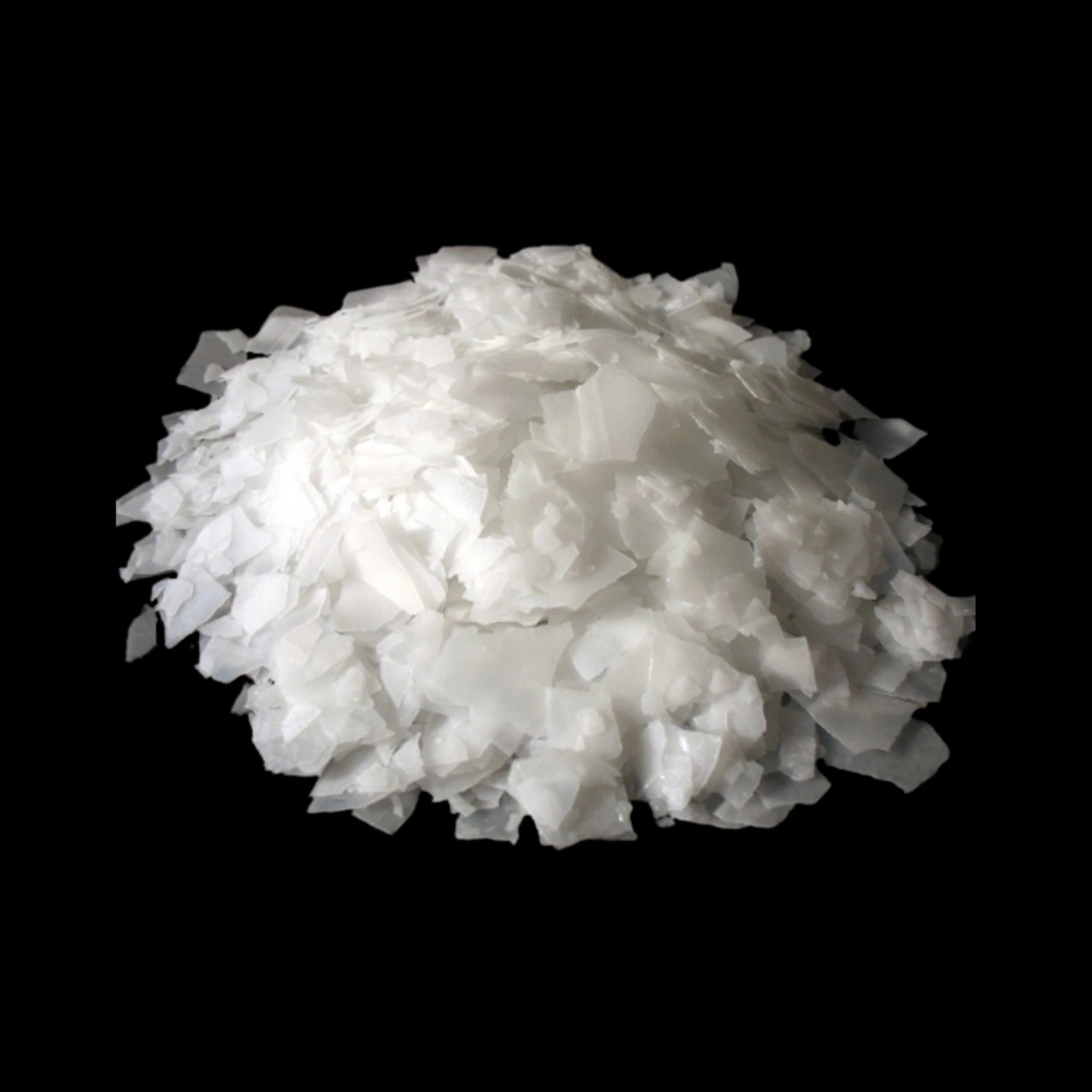
The caustic soda market entered a new phase on July 3 as two major developments began influencing regional trade at the same time. Gulf producers regained access to export markets through escorted convoy operations, while India's duty waiver expired on July 1, changing domestic market dynamics and export incentives.
For procurement teams across Southeast Asia, this marks the first period since February in which multiple competitive supply origins are available for Q3 negotiations. Rather than relying heavily on a single source, buyers can now compare offers from Gulf producers, Indian exporters and Chinese suppliers before finalising contracts.
Why the India Duty Reset Changes the Market
India became one of the most important alternative suppliers during the disruption to Gulf exports.
As regional buyers searched for dependable supply, Indian caustic soda producers expanded their role across Southeast Asian markets.
The expiry of the duty waiver changes that equation.
With the domestic market now slightly better protected from imported competition, Indian producers may find stronger commercial opportunities at home. That could encourage some export volumes to remain within the domestic market instead of moving overseas.
For international buyers, export availability may become more selective even if production levels remain stable.
Gulf Producers Are Returning to Regional Competition
Escorted convoy operations have reopened export opportunities for major Gulf chlor-alkali producers.
Facilities such as Saudi Arabia's Ibn Hayyan operations and Bahrain's Alba chlor-alkali production can once again compete for regional business, although shipments remain dependent on organised convoy schedules rather than unrestricted commercial sailing.
This is an important distinction.
Supply has returned to the market, but logistics still influence delivery timing and available export volumes.
For buyers, Gulf offers represent genuine competition, not yet a complete return to pre-crisis market conditions.
Southeast Asia Has Entered a Multi-Origin Sourcing Environment
One of the most significant changes is the return of supplier choice.
Instead of comparing only price differences among limited exporters, procurement teams can evaluate several sourcing regions simultaneously.
The principal supply options now include:
Indian producers with established export relationships across Southeast Asia.
Gulf suppliers gradually increasing export activity through convoy operations.
Chinese manufacturers continuing to supply regional markets.
This broader supplier base increases commercial flexibility while creating a more competitive contracting environment.
Landed Cost Has Become More Important Than List Price
The lowest quoted product price does not always produce the lowest delivered cost.
Procurement teams should evaluate every quotation using a complete landed cost model.
Important factors include:
A supplier offering a slightly higher product price may still provide the better commercial outcome if logistics prove more predictable or financing terms reduce overall procurement costs.
What This Means for Alumina, Textile and Pulp Industries
Several major industries across Southeast Asia depend heavily on consistent caustic soda supply.
For alumina producers, uninterrupted deliveries support refining operations and production planning.
Textile manufacturers rely on caustic soda for fibre processing, dye preparation and fabric finishing. Supply interruptions can affect manufacturing schedules and customer deliveries.
The pulp and paper industry also depends on stable chlor-alkali supply for chemical pulping processes, making procurement certainty almost as valuable as competitive pricing.
The return of multiple sourcing origins gives these industries greater flexibility when negotiating Q3 contracts.
Competition May Improve Commercial Terms
A broader supplier base often strengthens buyer negotiating power.
Suppliers competing for market share may differentiate themselves through more than pricing.
Procurement teams could see improvements in:
Contract flexibility.
Shipment scheduling.
Volume commitments.
Payment structures.
Customer support.
Supply reliability.
Evaluating the full commercial package rather than focusing solely on unit price can produce better long-term procurement outcomes.
Procurement Priorities for Q3 Contracting
The current market rewards disciplined sourcing rather than rapid purchasing decisions.
Several practical strategies deserve consideration.
Request quotations from suppliers across multiple origin countries.
Compare complete landed costs instead of product prices alone.
Review supplier logistics capabilities alongside production capacity.
Confirm shipment schedules before finalising purchase commitments.
Balance short-term pricing opportunities with long-term supply security.
This approach helps reduce procurement risk while taking advantage of increased market competition.
Why Origin Diversification Matters
The recent disruption demonstrated the risks of depending too heavily on a single production region.
Multi-origin sourcing creates greater resilience during periods of geopolitical uncertainty or logistics disruption.
Maintaining relationships with suppliers in India, the Gulf and China allows procurement teams to respond more quickly if shipping conditions, pricing or regional availability change during the remainder of the year.
Diversification is no longer simply a contingency strategy. It has become a core procurement practice.
Signals Buyers Should Monitor
Market conditions will continue evolving as Gulf convoy operations expand and regional trade patterns adjust.
Procurement teams should closely follow:
Convoy frequency and export capacity from Gulf producers.
Indian domestic demand after the duty waiver expiry.
Chinese export pricing.
Freight market trends.
Regional inventory levels.
Contract availability for Q3 deliveries.
Monitoring these indicators will support more informed purchasing decisions as competitive dynamics develop.
The Bottom Line for Procurement Teams
July has introduced the first genuinely competitive multi-origin caustic soda market that Southeast Asian buyers have experienced in several months. Gulf producers have resumed exports through escorted convoys, Indian suppliers are responding to changing domestic market conditions and Chinese manufacturers remain active participants in regional trade.
For buyers in alumina, textile and pulp industries, success will depend on comparing complete landed costs rather than headline prices alone. Procurement teams that evaluate logistics, reliability, financing and supplier flexibility alongside product cost will be best positioned to secure competitive Q3 contracts.
Ready to source caustic soda from verified global suppliers? Explore competitive offers on our platform today.