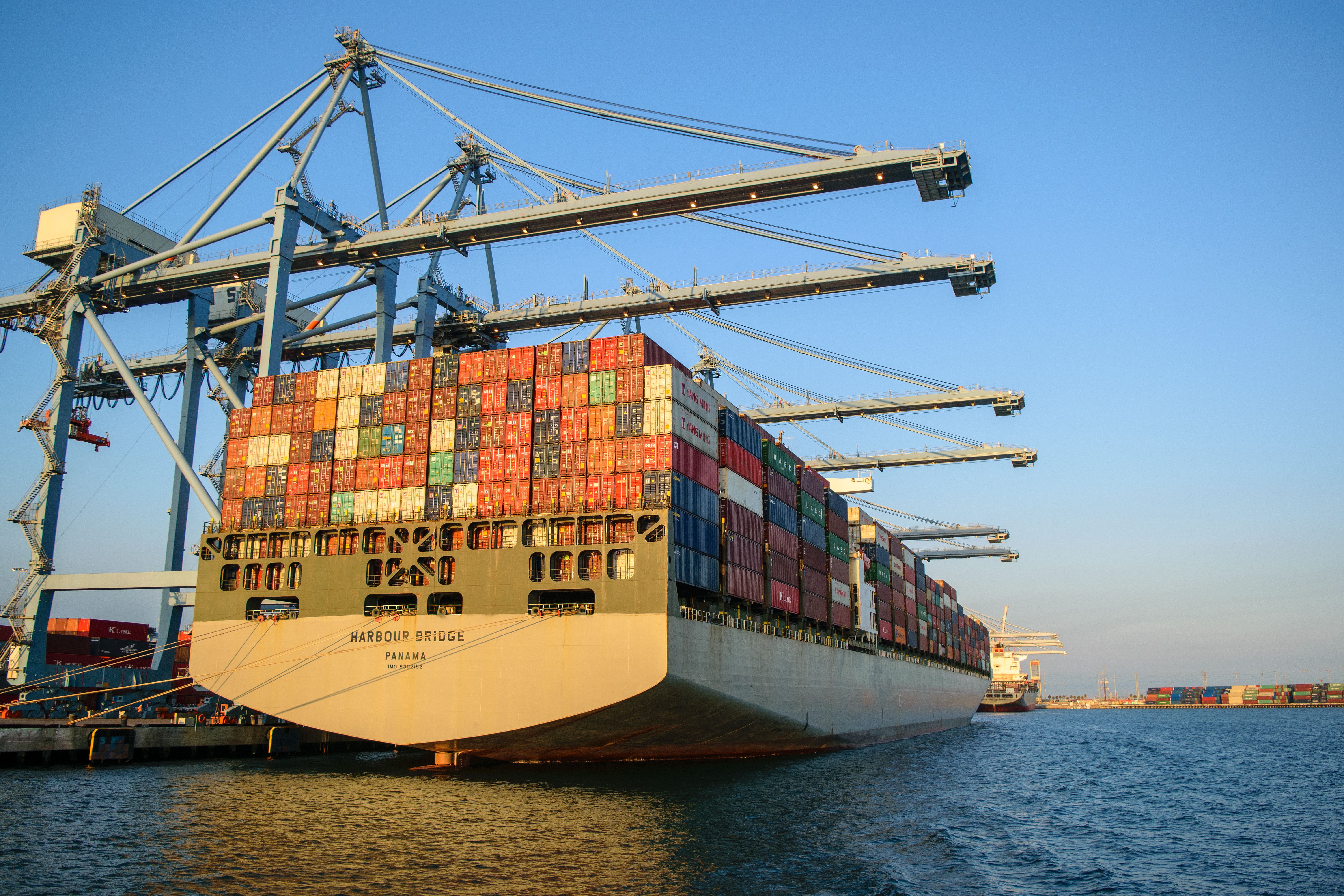
The ability of Saudi Arabia's Ar-Razi methanol complex to resume tanker loading marks one of the most significant developments for the global methanol market since shipping disruptions began in the Gulf. While production capability has returned, exports now depend on escorted convoy operations rather than unrestricted commercial shipping.
For methanol buyers, this creates an important distinction. Supply is returning to the market, but the pace of recovery depends on convoy capacity instead of plant output. Procurement decisions during Q3 should therefore reflect available shipping capacity rather than nameplate production alone.
Why the Ar-Razi Restart Matters
Saudi Arabia's Ar-Razi methanol facility ranks among the world's largest production sites, with capacity exceeding 4 million metric tonnes per year.
As a joint venture between Saudi Aramco and Mitsubishi Gas Chemical, the complex plays an important role in supplying methanol to manufacturers across Asia and other international markets.
Its ability to load export cargoes again provides immediate support for global supply, particularly for industries that rely on consistent methanol availability.
Even so, loading cargo is only the first step. Delivering that product now depends on convoy schedules.
Production Has Restarted, Shipping Has Not Fully Normalised
Chemical plants and shipping networks operate independently.
A production facility may run at high utilisation while exports remain constrained by logistics.
That is the current situation for Gulf methanol.
Tankers can load at export terminals, but departures must align with organised naval escort operations. Instead of sailing whenever cargo is ready, vessels enter scheduled convoys, reducing overall export flexibility.
For buyers, logistics rather than production remains the limiting factor.
Understanding the Convoy Arithmetic
Supply planning becomes clearer when convoy capacity is translated into export volumes.
Current planning assumptions suggest:
Convoys operate approximately three to four times each week.
Each convoy includes around eight to twelve vessels.
A typical methanol tanker carries between 25,000 and 40,000 metric tonnes.
Based on these operating assumptions, convoy movements could deliver approximately 600,000 to 800,000 tonnes of Gulf methanol each month.
This represents roughly 15 to 20% of normal pre-crisis monthly Gulf methanol exports.
The figures illustrate meaningful recovery, but they also confirm that the market remains far below normal trading conditions.
What 15 to 20% Availability Means for Buyers
Partial supply recovery changes procurement priorities.
Buyers should not interpret resumed exports as a return to abundant availability.
Instead, procurement teams should expect:
Continued allocation of available cargoes.
Longer booking timelines.
Increased competition for prompt shipments.
Greater importance of supplier relationships.
Higher value placed on confirmed vessel nominations.
Companies relying heavily on Gulf-origin methanol may still experience constrained purchasing options throughout the early part of Q3.
Why Recovery Could Accelerate During July
Convoy systems are operational frameworks that can expand over time.
As coordination improves and more escort capacity becomes available, shipping frequency may increase without requiring additional production investment.
Current expectations point toward Gulf methanol availability improving from approximately 15 to 20% of pre-crisis volumes toward 40 to 50% as convoy operations become more frequent during July.
Such an improvement would significantly strengthen export availability, although commercial shipping would still remain below historical norms.
How Methanol Prices May Respond
Market prices reflect available supply rather than installed production capacity.
As additional cargoes enter international trade, buyers may see improved market liquidity.
However, several factors continue to support price volatility.
Export volumes remain constrained by convoy schedules.
Freight costs may stay elevated while shipping capacity is limited.
Buyers may compete aggressively for confirmed cargoes.
Inventory rebuilding could increase short-term purchasing activity.
Price movements will therefore depend as much on logistics as on production.
Procurement Strategies for Q3
Procurement teams should build supply plans around realistic export expectations rather than optimistic assumptions.
Several practical measures can improve supply security.
Base purchasing forecasts on current convoy capacity instead of full Gulf production.
Secure cargoes earlier than usual to accommodate longer shipping timelines.
Maintain regular communication with suppliers regarding vessel schedules.
Consider staggered purchasing rather than relying on single large shipments.
Review inventory policies to account for delivery variability.
These steps can reduce exposure to unexpected shipment delays while maintaining operational continuity.
Why Logistics Has Become the Market's Primary Constraint
The methanol market demonstrates an important supply chain principle.
Production capacity alone no longer determines product availability.
The effective export volume now depends on how many vessels complete escorted transit each week. Even with sufficient methanol ready for shipment, limited convoy capacity restricts how quickly product reaches international buyers.
For traders, this makes shipping intelligence almost as valuable as production data.
Signals Buyers Should Monitor
Market conditions may improve steadily, but procurement teams should continue tracking operational indicators throughout Q3.
The most important developments include:
Changes in weekly convoy frequency.
Average tanker waiting times before departure.
Growth in confirmed export cargoes.
Freight market conditions.
Inventory levels in major importing regions.
Supplier allocation policies.
Monitoring these indicators provides a more accurate picture of future availability than production announcements alone.
The Bottom Line for Procurement Teams
The restart of Saudi Arabia's Ar-Razi methanol facility is an encouraging milestone for the global chemical market, but escorted convoy operations still define the pace of recovery. Production capability has returned, yet export capacity remains governed by scheduled naval transit rather than unrestricted commercial shipping.
For Q3 planning, buyers should model Gulf methanol availability at approximately 15 to 20% of pre-crisis levels while preparing for gradual improvement toward 40 to 50% as convoy frequency expands during July. Procurement strategies built around realistic logistics assumptions will be better positioned to secure supply and manage market volatility.
Ready to source methanol from verified global suppliers? Explore competitive offers on our platform today.