Food-contact packaging continues to demand materials that combine appearance, durability, process performance and compatibility with increasingly sophisticated packaging formats. Chemours food-contact packaging chemistries are relevant to this landscape through the company's Titanium Technologies and other businesses serving coatings and plastics markets.
For chemical traders and procurement teams, the significance lies beyond a single ingredient. Packaging manufacturers often depend on a network of pigments, polymer-related materials, coatings and processing chemistries that must perform consistently through production and distribution.
Chemours' diversified portfolio places its products within several industrial value chains that can intersect with food-contact packaging. This creates a useful area for buyers to watch as packaging producers balance performance requirements with cost, supply reliability and evolving material expectations.
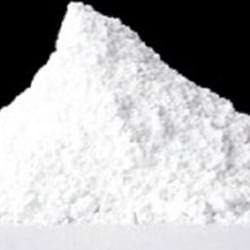
Titanium Technologies is particularly relevant when packaging applications require strong visual performance. Titanium dioxide serves as an important white pigment across industrial markets, including coatings and plastics where opacity, brightness and appearance influence the final material.
In packaging, these characteristics can affect how films, coated substrates and plastic components look on the shelf. A consistent pigment supply can therefore become part of a broader procurement strategy rather than a simple commodity purchase.
For buyers, the commercial importance of titanium dioxide depends on several factors:
Pigment performance: Consistent optical properties can help manufacturers maintain product appearance across production batches.
Processing requirements: Material characteristics need to align with the production process and the polymer or coating system.
Supply continuity: Packaging manufacturers may need dependable availability because interruptions can affect downstream production schedules.
Application economics: Procurement teams must balance material performance with the total formulation cost.
These considerations make pigment sourcing relevant to both packaging producers and chemical distributors serving the sector.
Food-contact packaging often incorporates coatings to provide specific surface characteristics and functional performance. Depending on the packaging format, coatings can contribute to appearance, protection, printability or resistance to environmental conditions.
Chemours' presence in coatings markets therefore creates a connection between its broader chemical portfolio and packaging supply chains. The company does not need to serve only the final packaging product for its materials to influence the sector. Its chemistries can enter upstream formulations used by manufacturers producing packaging-related materials.
For chemical traders, this creates opportunities to serve customers across several layers of the value chain. A packaging manufacturer may purchase finished materials directly, while a coating or plastics producer may require chemical inputs that eventually reach packaging applications.
Plastics Create Another Route Into Packaging
Plastics represent another major connection between Chemours' portfolio and food-contact packaging. Packaging producers use a wide range of polymer systems and additives to create films, containers, closures and other components.
Titanium dioxide can play a role in plastics where manufacturers require whiteness, opacity or controlled visual properties. The pigment's commercial relevance can therefore extend beyond traditional coatings and into plastic processing applications.
The relationship between chemical suppliers and packaging producers also creates multiple procurement points. A trader may sell to a polymer compounder, plastics processor, masterbatch producer or packaging manufacturer, depending on the supply chain structure.
This makes application knowledge increasingly valuable. Buyers want to understand not only what a chemical is, but also where it fits within the formulation and what performance requirement it supports.
Procurement Priorities for Packaging Chemical Buyers
Food-contact packaging buyers operate under tighter performance and supply requirements than many general industrial markets. Material selection must support the intended application while fitting production economics and customer specifications.
For procurement teams evaluating Chemours-related chemistries or comparable materials, several questions can guide sourcing decisions:
What application does the material support? Buyers should identify whether the chemistry enters a coating, plastic formulation, pigment system or another packaging-related process.
What specifications matter most? Purity, particle characteristics, optical performance, processing behavior and consistency can influence purchasing decisions depending on the application.
How dependable is supply? Lead times, production capacity and logistics can affect the security of long-term packaging programs.
What documentation does the customer require? Food-contact applications can involve detailed documentation and material compliance requirements that differ by market and application.
Can the supplier support recurring demand? A suitable material needs to remain commercially practical when purchasing volumes increase.
A strong procurement strategy therefore combines technical specifications with supply chain assessment.
How Diversification Strengthens Chemours' Packaging Relevance
A diversified chemical portfolio can provide exposure to several downstream industries at once. For Chemours, participation in titanium technologies, coatings and plastics markets creates multiple routes through which its materials can connect with packaging manufacturers.
This matters because packaging demand rarely depends on one material category. A single finished package can involve polymers, pigments, coatings, inks, adhesives and processing aids across different stages of production.
Chemours' diversified positioning can therefore create broader commercial relevance than a portfolio focused on one application alone. For chemical traders, this type of portfolio structure can also create cross-selling opportunities when customers operate across multiple manufacturing processes.
The key advantage for buyers is flexibility. Suppliers connected to several industrial applications may provide access to materials that serve different requirements within the same downstream sector.
Packaging materials intended for food-contact applications require careful attention to regulatory and technical requirements. Buyers must understand the intended use of a chemical and ensure that the material meets the specifications applicable to the finished application and target market.
A chemical's general industrial use does not automatically establish suitability for every food-contact packaging application. Procurement teams should evaluate supplier documentation, intended-use conditions and relevant customer requirements before incorporating a material into a formulation.
For traders, this distinction is commercially important. Clear product specifications and appropriate documentation can make it easier to connect qualified suppliers with packaging customers that have specific application requirements.
The compliance conversation also extends beyond the chemical itself. Packaging manufacturers may need to consider the complete formulation and production process rather than evaluating one ingredient in isolation.
Supply Chain Considerations for Global Chemical Traders
Global packaging supply chains depend on predictable access to raw materials. Changes in freight costs, regional production, inventory levels and purchasing patterns can influence the economics of chemical sourcing.
For titanium dioxide and other packaging-relevant chemistries, traders can add value by maintaining visibility across supplier and buyer requirements. This includes understanding preferred grades, shipment quantities, delivery schedules and destination-market expectations.
Several sourcing practices can help reduce friction:
Maintain multiple qualified supply channels where commercially practical.
Match product specifications closely with the customer's formulation requirements.
Monitor logistics conditions before committing to delivery schedules.
Keep technical and commercial documentation organized for repeat transactions.
Evaluate total delivered cost rather than focusing only on the quoted chemical price.
These practices become particularly important when packaging customers operate continuous production lines and cannot easily absorb unexpected supply interruptions.
What Chemours' Portfolio Means for Packaging Demand
The connection between Chemours and food-contact packaging should be viewed through the broader industrial ecosystem rather than through a single finished packaging product. Titanium Technologies and related activities serving coatings and plastics markets place the company's materials within supply chains that can support packaging production.
For procurement professionals, this creates a useful framework for evaluating demand. Packaging growth can influence requirements for pigments, polymers, coatings and other chemical inputs even when the chemical supplier does not manufacture the final package.
The opportunity for chemical traders comes from understanding these upstream and downstream relationships. A trader that recognizes where a material enters the packaging chain can identify buyers more efficiently and provide more relevant sourcing options.
Demand can also differ by packaging format. Flexible films, rigid containers, coated substrates and specialty packaging can have different material requirements, making application-specific sourcing increasingly important.
Looking Ahead: Packaging Applications and Strategic Sourcing
Food-contact packaging will continue to place emphasis on material performance, production efficiency and dependable supply. Chemours' diversified presence across titanium technologies, coatings and plastics gives its portfolio several points of relevance within this industrial ecosystem.
For buyers, the strongest sourcing strategy will focus on application requirements first, then evaluate specification, documentation, availability and delivered cost. This approach helps procurement teams avoid treating packaging-related chemicals as interchangeable commodities.
Chemical traders can benefit by developing deeper knowledge of the packaging value chain. Understanding how pigments and coating chemistries connect with plastics production can reveal opportunities beyond direct material demand and support stronger relationships with industrial buyers.
The broader lesson is that packaging procurement increasingly depends on the performance of interconnected chemical inputs. Suppliers and traders that can navigate these connections will be better positioned to support manufacturers seeking reliable materials for demanding packaging applications.
Ready to source Titanium Dioxide from verified global suppliers? Explore competitive offers on our platform today.