The recent annual meeting of Chemtrade Logistics Income Fund concluded with voting results that reinforce the market's commitment to the circular economy. As a company whose core business model revolves around capturing, processing and reselling industrial byproducts—turning waste streams into valuable feedstocks—the unitholder approval of management proposals and board elections signals more than just routine corporate governance. It reflects a growing investor consensus that byproduct recovery is not merely an environmental initiative but a robust, scalable commercial strategy. For procurement teams managing portfolios of acids, bases and specialty chemicals, these voting patterns offer critical insights into the future stability and growth of secondary chemical supply chains.
When investors overwhelmingly support a company dedicated to transforming waste into wealth, they are betting on the long-term viability of resource efficiency. This has direct implications for how chemical buyers view suppliers who operate on similar circular models versus those reliant solely on virgin resource extraction.
The Significance of the Voting Results
While specific vote counts vary by proposal, the broad endorsement of Chemtrade's leadership and strategic direction indicates unitholder confidence in several key areas:
Resilience of the Byproduct Model: Investors recognize that securing raw materials from industrial waste streams provides a hedge against the volatility of virgin commodity markets.
ESG Integration: Strong support for ESG-focused governance suggests that sustainability metrics are now central to valuation, not just peripheral reporting.
Capital Allocation: Approval of compensation and strategic plans signals agreement with investing in infrastructure that expands byproduct capture capabilities.
For the chemical industry, this validates the thesis that waste is a design flaw and that companies capable of closing loops will command premium valuations and secure long-term contracts.
Chemtrade's Core Circular Strategy
To understand why unitholders are backing this strategy, one must look at Chemtrade's unique position in the market. Unlike traditional chemical manufacturers that synthesize products from scratch, Chemtrade acts as an industrial symbiosis facilitator.
Key elements of their model include:
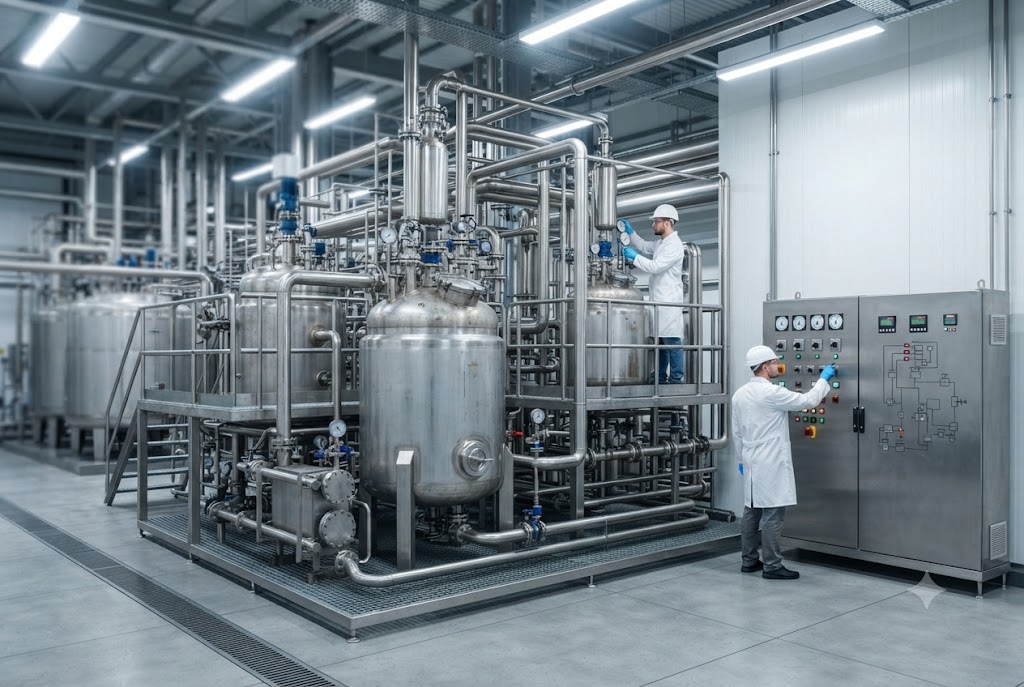
Sulfuric Acid Recovery: Capturing spent sulfuric acid from industries like oil refining, titanium dioxide production and metal processing, then regenerating it to virgin-grade specifications for resale.
Hydrogen Fluoride (HF) Recycling: Recovering HF from alkylation units in refineries, a critical service that prevents hazardous waste disposal while supplying a essential catalyst back to the industry.
Iron Oxide Byproducts: Converting waste iron oxide sludge from steel pickling into high-value pigments for construction and industrial coatings.
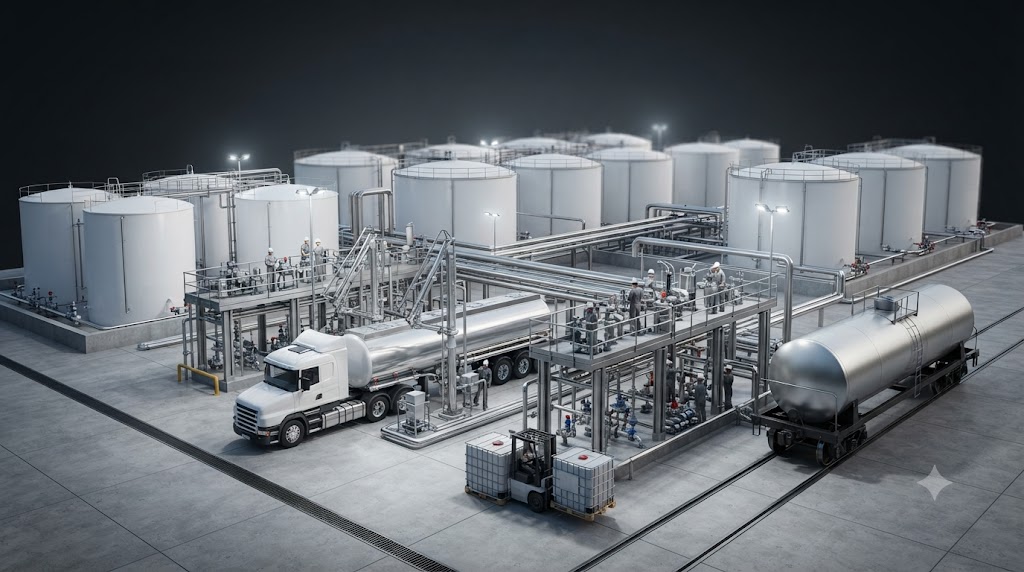
Logistics Network: Operating a vast network of terminals, tanks and transport assets specifically designed to handle these recovered materials safely and efficiently.
This model turns a cost center (waste disposal) for generators into a revenue stream, while providing buyers with a reliable, often lower-carbon alternative to virgin chemicals. The unitholder votes confirm that the market sees this as a durable competitive advantage.
Implications for Chemical Procurement
The strong investor backing of Chemtrade's circular strategy sends a clear message to procurement professionals: secondary sourcing is mainstream. Relying exclusively on virgin raw materials is increasingly seen as a supply chain risk rather than a default standard.
Supply Security through Diversification:
Byproduct-based supply chains are often less correlated with global commodity cycles than virgin production. For example, sulfuric acid recovery depends on local industrial activity (refining, mining) rather than global sulfur burning capacity. Integrating recovered chemicals into your portfolio can provide a buffer against global supply shocks.
Cost Competitiveness:
Recovered chemicals often carry a cost advantage because the "raw material" (waste) has negative or low value for the generator. While processing costs exist, the total landed cost can be competitive with virgin materials, especially when factoring in avoided disposal fees for the generator which can be shared as savings.
Sustainability Credentials:
Using regenerated chemicals significantly reduces Scope 3 emissions. Purchasing regenerated sulfuric acid, for instance, avoids the energy-intensive Contact Process used to make virgin acid. Procurement teams can leverage these purchases to meet corporate net-zero targets and satisfy customer demands for greener supply chains.
Quality Parity:
A common misconception is that recycled chemicals are inferior. Companies like Chemtrade invest heavily in purification technologies to ensure regenerated products meet or exceed industry standards (e.g., ACS, ASTM, or customer-specific specs). The investor confidence reflected in the annual meeting votes underscores trust in these quality assurance protocols.
The Broader Trend: From Waste to Resource
Chemtrade is not an outlier; it is a bellwether. The unitholder support mirrors a broader shift in the chemical industry where industrial symbiosis is becoming a standard operating procedure.
Emerging trends include:
Chemical Leasing: Models where suppliers sell the function of a chemical (e.g., cleaning power) rather than the volume, incentivizing them to recover and reuse the material.
Digital Marketplaces: Platforms connecting waste generators with potential users, facilitated by data analytics to match composition and location.
Regulatory Push: Governments worldwide are implementing stricter landfill bans and higher disposal taxes, making recovery economically mandatory rather than optional.
Procurement teams that align with this trend early will find themselves with more options, better pricing leverage and stronger sustainability narratives. Those who resist may find their traditional virgin-only suppliers struggling with rising carbon costs and regulatory burdens.
Risk Management in Circular Supply Chains
While the circular model offers many benefits, it introduces unique risks that buyers must manage. The annual meeting context reminds us that governance and oversight are critical.
Feedstock Consistency:
Unlike virgin production where inputs are controlled, byproduct streams can vary based on the generator's process upsets. Buyers need suppliers with robust testing and blending capabilities to smooth out these variations.
Logistics Complexity:
Moving waste to a regeneration site and then product to the user requires sophisticated logistics. Disruptions in one leg of the journey can impact the whole chain. Partners with integrated logistics networks (like Chemtrade) mitigate this risk.
Regulatory Compliance:
Handling wastes and recovered materials involves complex permitting. Ensuring your supplier maintains full compliance is essential to avoid inheriting liability. Strong governance, as validated by unitholder votes, is a proxy for rigorous compliance management.
What Buyers Should Ask Their Suppliers
Inspired by the scrutiny applied at Chemtrade's annual meeting, procurement teams should ask their own chemical suppliers probing questions about their circular strategies:
"What percentage of your portfolio comes from recovered or recycled feedstocks?"
"How do you ensure quality consistency when sourcing from variable waste streams?"
"Do you have invested infrastructure for recycling, or do you rely on third parties?"
"How does your circular model contribute to my Scope 3 emission reduction goals?"
"What is your contingency plan if a key waste generator shuts down or changes their process?"
Suppliers who can answer these questions with data and clear strategies are better positioned for the future.
The Bottom Line for Chemical Sourcing
The voting results at Chemtrade Logistics' annual meeting are more than a corporate formality; they are a market signal. Investors are placing their capital behind the idea that circular byproduct strategies are the future of chemical supply.
For procurement professionals, the lesson is actionable:
Embrace Secondary Sources: Actively seek out regenerated and recovered chemicals as viable, high-quality alternatives to virgin materials.
Value Sustainability: Recognize that the carbon savings from circular chemicals have tangible economic and reputational value.
Demand Governance: Partner with suppliers who demonstrate strong oversight and investment in their circular infrastructure, just as unitholders did with Chemtrade.
Future-Proof Supply: Diversify your supply base to include circular players who are less exposed to the volatility of virgin resource extraction.
The transition to a circular economy is no longer a theoretical ideal; it is a funded, voted-on and executing reality. Chemical buyers who adapt their sourcing strategies to reflect this new paradigm will lead their organizations toward greater resilience, sustainability and cost efficiency.
Ready to source Ammonium Nitrate from verified global suppliers? Explore competitive offers on our platform today.