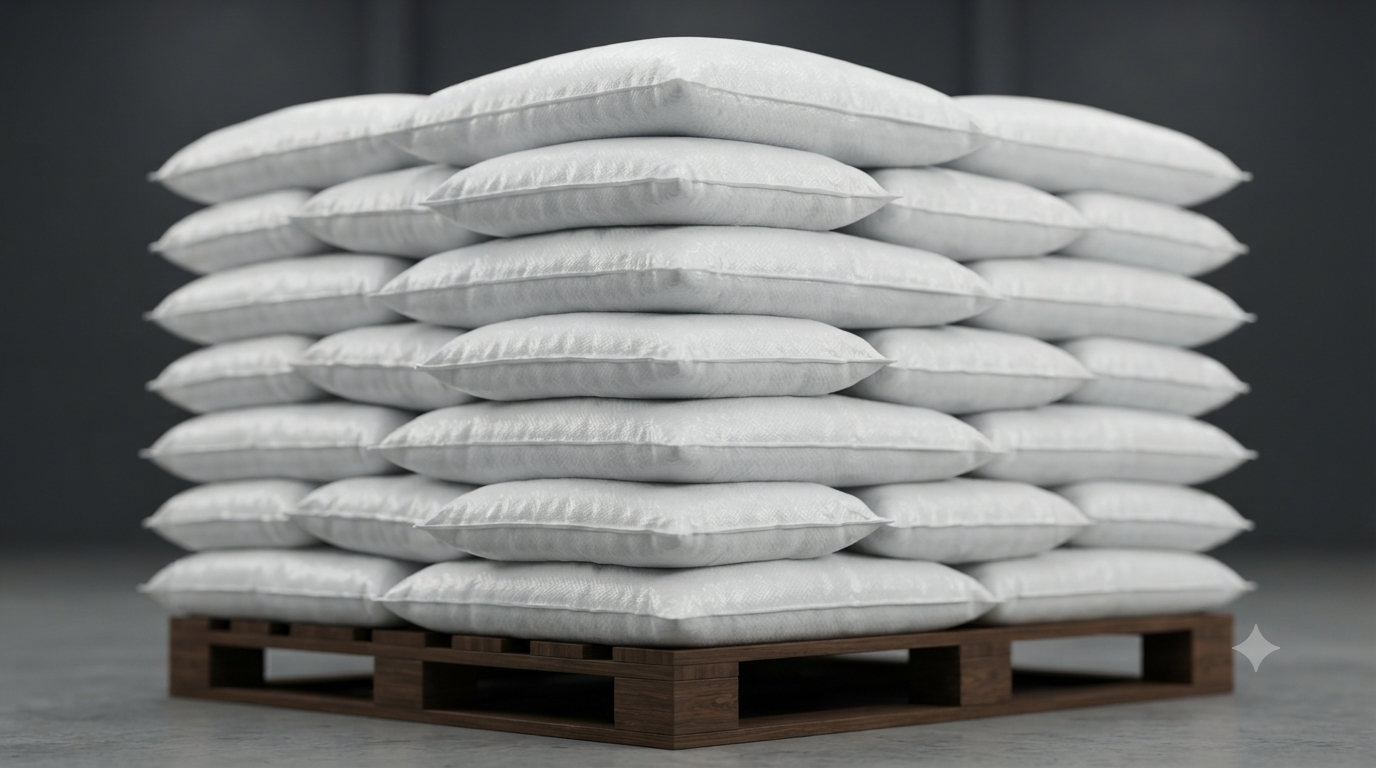
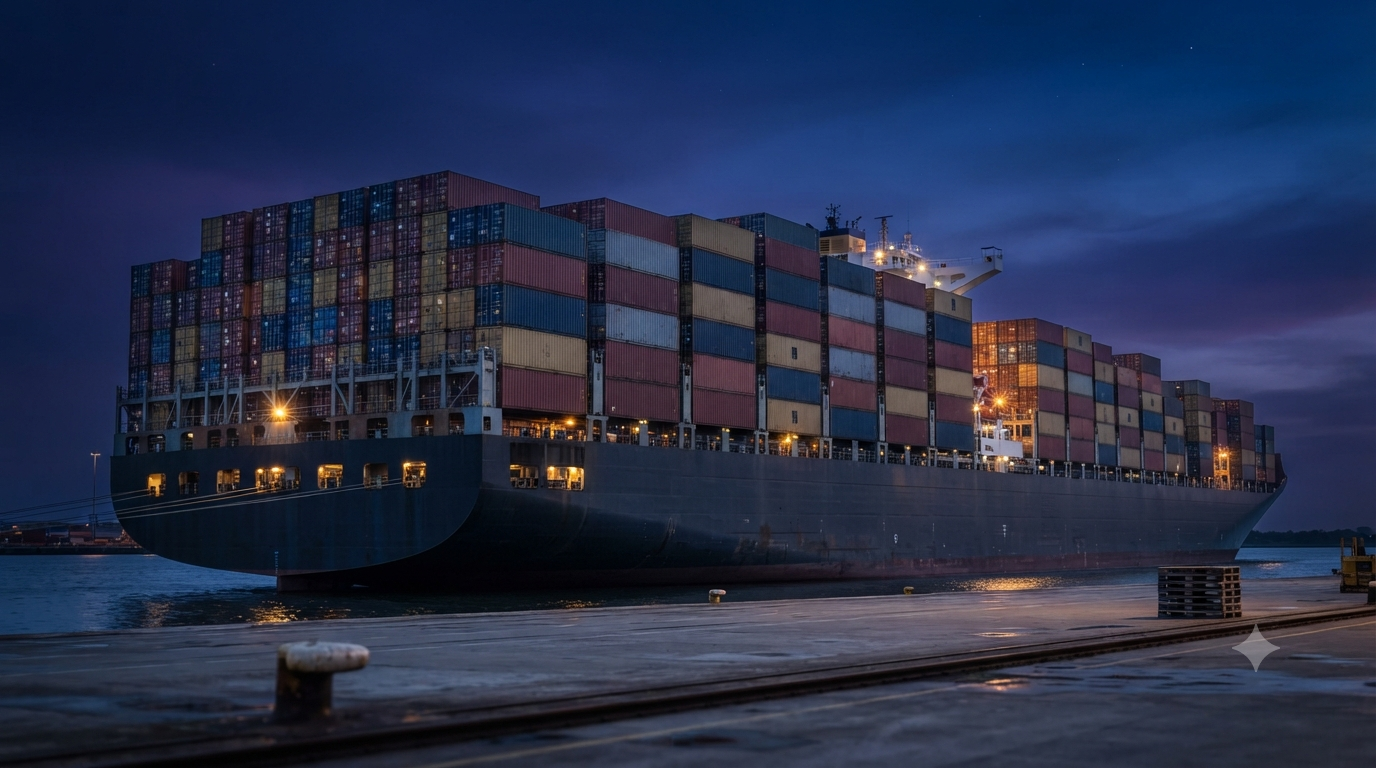
China's polyethylene exports jumped to slightly above 550,000 tons in April 2026, a 164% increase from March. That kind of month-on-month swing is rare even in a market known for volatility, and it signals more than a temporary spike in shipping activity. Chinese producers appear to be redirecting significant volume toward export markets, and regional buyers across Asia-Pacific are already adjusting their sourcing behavior in response. For anyone trading polyethylene in the region, this shift changes both near-term pricing dynamics and longer-term supplier relationships. Understanding what is driving the surge, and where the volume is landing, is essential for procurement planning through the rest of the year.
What Pushed PE Export Volumes This High
A jump of this size rarely comes from a single cause. Several forces appear to be converging at once.
Domestic Chinese demand has softened, pushing producers to look outward for volume absorption rather than let inventory build.
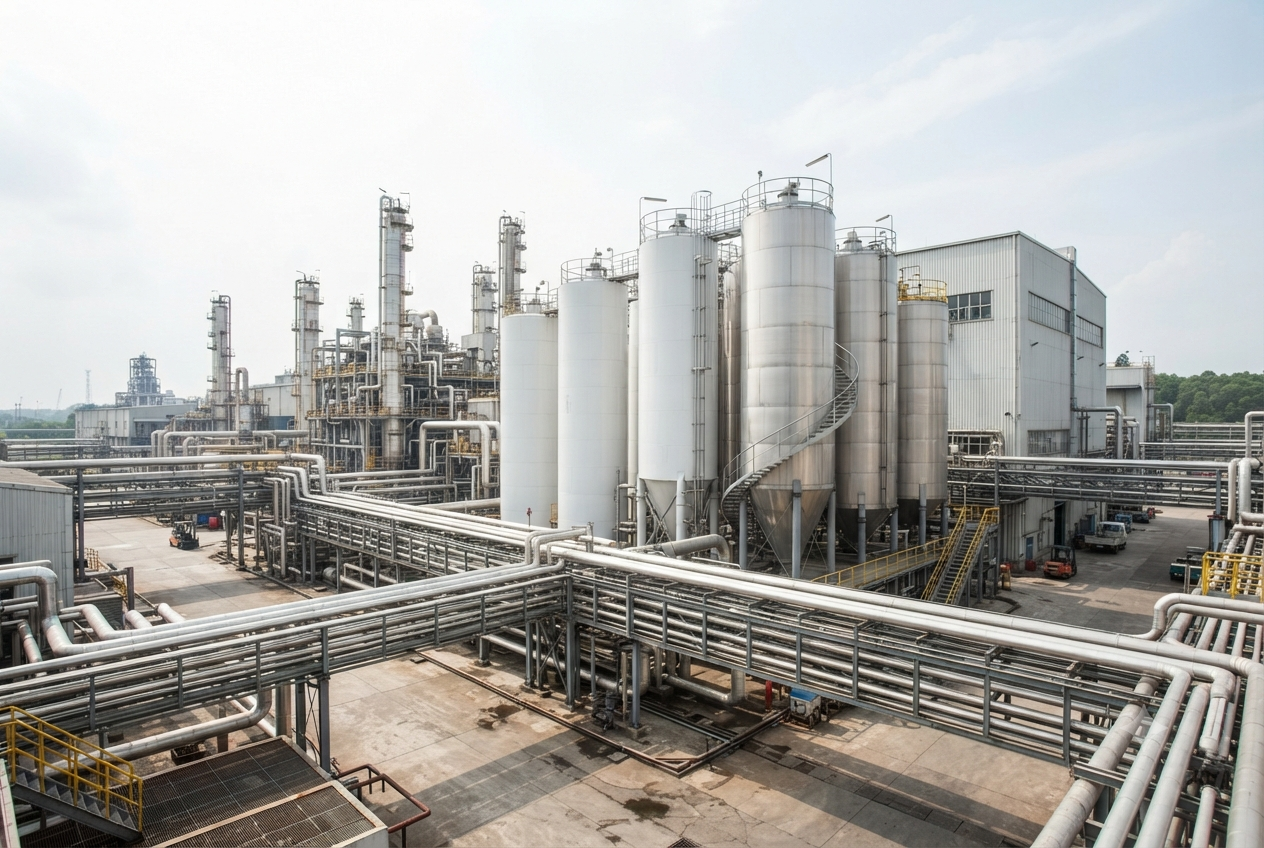
New capacity additions from recent PE plant startups have increased total production beyond what the domestic market can absorb.
Export incentives and more competitive offer pricing have made Chinese PE attractive to buyers who previously sourced from the Middle East or Southeast Asia.
Currency and freight conditions during April created a favorable window for Chinese producers to move volume abroad.
Together, these factors turned what might have been a modest export increase into a genuine surge.
Which Grades and Buyers Are Absorbing the Volume
Not all polyethylene grades are moving in equal measure. Export volumes appear concentrated in commodity grades rather than specialty formulations, which fits the pattern of producers clearing excess standard-grade output.
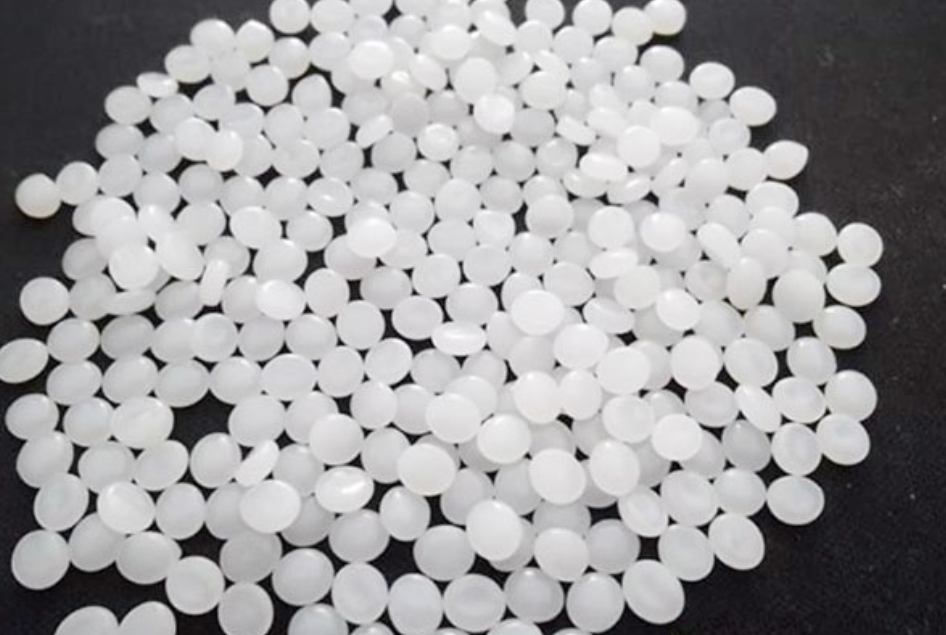
Linear-low density polyethylene and standard high density polyethylene grades make up a large share of the increase, based on the type of capacity that has come online recently. Buyers in packaging, film and general molding applications are the most likely destination for this volume, since these end uses rely heavily on standard commodity grades.
Southeast Asian converters have been especially active in absorbing the new supply, drawn by competitive pricing relative to other origins.
How This Is Reshaping Regional Trade Flows
Asia-Pacific PE trade has traditionally balanced supply from the Middle East, Northeast Asia and China itself. A sudden surge in Chinese export volume shifts that balance quickly.
Middle Eastern exporters are feeling the most direct competitive pressure, since their traditional buyers in Southeast Asia now have a cheaper regional alternative. Some regional distributors report renegotiating existing supply agreements in light of the new pricing environment. This kind of rebalancing tends to persist for several months even after the initial surge subsides, since buyers rarely switch sourcing relationships back quickly once a new supplier proves reliable.
Price Implications for PE Buyers Across the Region
A sudden increase in available supply typically puts downward pressure on regional spot pricing, and April's export data appears consistent with that pattern. Buyers with flexible contract terms have room to negotiate more favorable pricing in the near term.
Buyers locked into longer fixed-price agreements may find themselves paying above the current market rate, which creates an opening to revisit contract terms at the next renewal point. Distributors and traders who move quickly to secure Chinese-origin volume at current pricing may capture a meaningful cost advantage over competitors slower to adjust.
Risks Buyers Should Watch For
A surge of this scale is unlikely to represent a permanent shift in trade patterns without some risk attached.
Chinese export volumes could pull back sharply once domestic demand recovers or new capacity gets absorbed into local consumption.
Anti-dumping scrutiny from importing countries often follows sudden volume surges, particularly when pricing undercuts established regional suppliers.
Buyers who shift entirely to a single new supply source risk exposure if trade measures or capacity changes disrupt that flow later in the year.
Diversifying across a few reliable origins remains a safer approach than chasing the lowest price from a single surging source.
What Procurement Teams Should Do Now
The scale of this export surge gives buyers a real opportunity, but only if they act with some caution alongside speed.
Benchmark current offers from Chinese suppliers against existing contracts to identify where renegotiation makes sense.
Watch for early signs of anti-dumping investigations in your target import market before committing to large new volume.
Diversify sourcing across multiple origins rather than relying entirely on the current surge in Chinese supply.
Monitor Chinese domestic demand indicators, since a rebound there could pull export volumes back down quickly.
Buyers who move deliberately now, rather than chasing the cheapest available offer, are more likely to build a sourcing position that holds up once the current surge normalizes.
Ready to source High Density Polyethylene (HDPE) from verified global suppliers? Explore competitive offers on our platform today.