China National Petroleum Corporation officially commenced operations at the Tarim Phase II petrochemical complex, adding 1.2 million tonnes of annual capacity to the global market. This massive facility introduction immediately alters supply balances for essential polymer grades across Asia and beyond.
Procurement managers and chemical traders must evaluate how this new production hub affects regional pricing and export availability. A capacity addition of this scale rarely stays confined to domestic consumption when local markets face demand softness.
Buyers sourcing polyethylene or polypropylene should prepare for shifting trade flows as CNPC integrates this new output into its broader distribution network. Strategic positioning now prevents margin erosion when these new volumes reach international ports.
Understanding the 1.2 Million Tonne Tarim Phase II Expansion
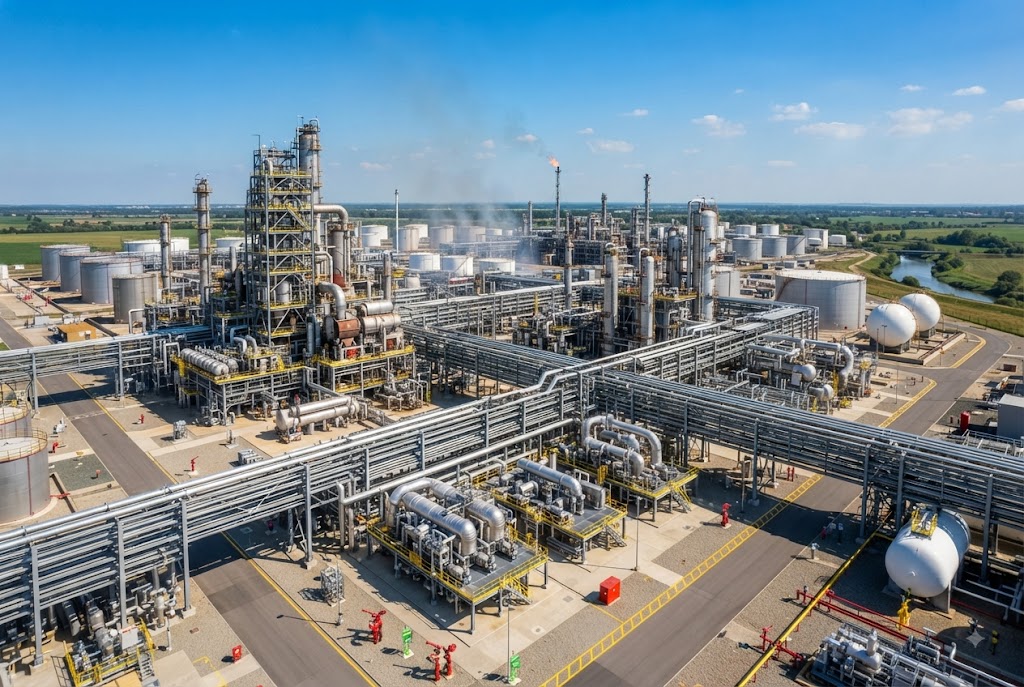
The Tarim Phase II project represents a major strategic investment by China National Petroleum Corporation to monetize upstream oil and gas reserves. Converting raw hydrocarbons into higher-value chemical intermediates and finished polymers improves overall corporate margins.
A 1.2 million tonne per annum footprint provides immense economies of scale that smaller regional competitors cannot match. This sheer volume allows the facility to operate profitably even when broader petrochemical margins compress.
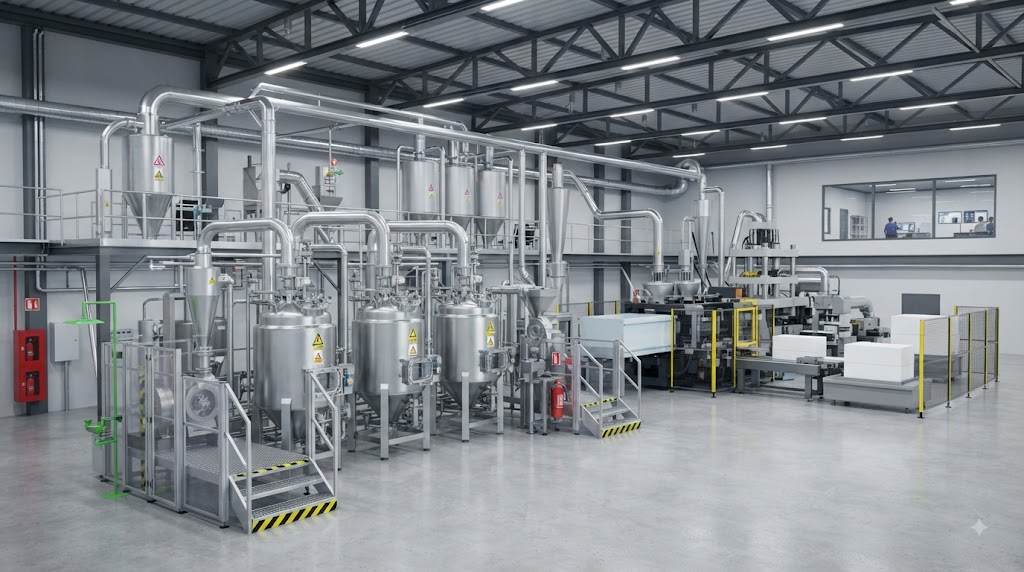
The complex likely features integrated cracking units alongside downstream polymerization trains. This vertical integration shields the producer from raw material volatility while ensuring steady feedstock supply for continuous operations.
The facility leverages advanced catalyst technologies to maximize yield from heavy feedstock fractions. This technical sophistication ensures product quality meets stringent international specifications required by premium converters.
How New Chinese Petrochemical Capacity Alters Global Trade
China historically absorbed its own petrochemical production to fuel domestic manufacturing and infrastructure growth. Recent capacity expansions frequently exceed local demand growth, forcing producers to seek export markets for surplus material.
The Tarim complex sits in a region with abundant energy resources but distant from primary coastal consumption centers. High inland transportation costs naturally incentivize operators to export product via rail to coastal ports for international shipment.
Global trade flows adjust rapidly when major new export sources enter the market. Traditional suppliers in the Middle East and North America face renewed competitive pressure in key Asian import destinations.
European buyers might also see indirect benefits as Middle Eastern suppliers redirect volumes away from Asia to defend market share in the West. This secondary trade displacement creates arbitrage opportunities for agile global trading houses.
Impact on Polyethylene and Polypropylene Pricing Benchmarks
New capacity additions inherently exert downward pressure on regional pricing benchmarks unless demand grows concurrently. Buyers negotiating quarterly contracts should leverage this expanded supply base to secure more favorable commercial terms.
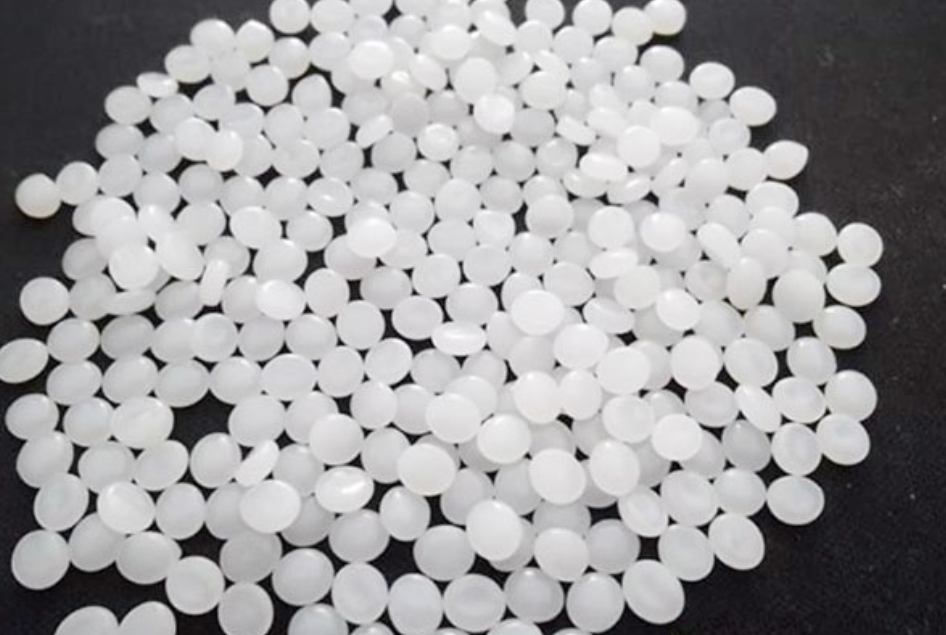
High-density and linear-low-density polyethylene grades typically face the most immediate pricing impact from new Chinese cracker expansions. Film and packaging converters will see spot market premiums narrow as physical availability improves.
Polypropylene markets also experience ripple effects as producers adjust operating rates to maintain margin thresholds. Copolymer and specialty grades might retain pricing power if the new facility focuses primarily on commodity homopolymer production.
Forward curve pricing models must now incorporate this permanent supply addition rather than treating it as a temporary market anomaly. Buyers relying on outdated historical averages will consistently overpay in this newly expanded landscape.
Regional Supply Dynamics Across Asian Import Markets
Southeast Asian nations represent the primary destination for surplus Chinese polymer exports due to geographic proximity and growing manufacturing bases. Vietnam, Thailand and Indonesia will see increased material availability from this new Tarim output.
Indian buyers also monitor Chinese export volumes closely to supplement domestic production shortfalls. Increased supply from CNPC provides Indian importers with additional negotiating leverage against Middle Eastern and domestic suppliers.
Domestic Chinese markets absorb baseline volumes but face intense internal competition among state-owned and private producers. This internal friction accelerates the timeline for surplus material reaching international waters.
Local distributors in these import markets will face margin compression as direct factory offers bypass traditional wholesale channels. Procurement teams must decide whether to support local partners or capitalize on direct import savings.
Evaluating Quality and Specification Compliance for New Origins
New petrochemical facilities require extensive operational tuning before achieving consistent product specifications across all production batches. Early output from the Tarim complex might exhibit wider variability in melt flow index or density parameters.
Buyers must implement rigorous incoming quality inspection protocols when trialing material from newly commissioned plants. Certificates of analysis provide baseline assurance but physical testing validates actual processing performance on converting equipment.
Technical support responsiveness often lags during the initial ramp-up phase as engineering teams focus on internal stabilization. Procurement organizations should secure dedicated application engineering commitments before committing to large volume contracts.
Blending strategies allow buyers to mitigate specification risks by mixing new origin material with established benchmark grades. This approach maintains production continuity while capturing the cost advantages of newly available supply.
Environmental and Sustainability Considerations for State-Owned Expansions
Modern Chinese petrochemical complexes incorporate advanced emissions control and energy recovery systems to meet stringent national environmental targets. The Tarim Phase II facility likely features integrated cogeneration units that improve overall carbon efficiency.
Western buyers facing corporate sustainability mandates must verify the carbon footprint credentials of these new inland production sources. Independent lifecycle assessments provide the documentation required for compliance with emerging border carbon adjustment mechanisms.
Water recycling and zero liquid discharge technologies represent significant capital investments that distinguish modern facilities from older regional assets. These environmental protections ensure long-term operational continuity against tightening regulatory enforcement.
Procurement teams should integrate verified sustainability metrics into their supplier scorecards alongside traditional cost and quality parameters. This holistic evaluation aligns purchasing decisions with broader corporate environmental, social and governance objectives.
Strategic Sourcing Responses for Polymer Buyers
The activation of the Tarim Phase II complex demands immediate adjustments to procurement strategies across the polymer value chain. Buyers who ignore this capacity addition risk overpaying for material in a newly balanced market.
Initiate qualification processes for CNPC and its designated export trading arms to secure direct access to this new production stream.
Renegotiate existing term contracts to incorporate volume flexibility bands that allow upward adjustment when spot prices drop below contract averages.
Diversify geographic sourcing portfolios to include inland Chinese origins alongside traditional coastal and Middle Eastern suppliers.
Monitor weekly inventory data at major Asian ports to track the physical arrival and absorption rate of these new Tarim volumes.
Navigating Freight and Logistics for New Export Volumes
Transporting polymers from inland facilities like Tarim to international ports introduces unique logistical complexities. Rail infrastructure and dry port capacity dictate the actual flow rate of material reaching ocean freight networks.
Buyers must factor inland freight premiums into their landed cost calculations when comparing Tarim material against coastal alternatives. Direct rail-to-ship services offer cost advantages but require precise scheduling to avoid demurrage charges.
Container availability fluctuates based on seasonal agricultural exports and general manufacturing trade imbalances. Securing dedicated equipment allocations ensures consistent supply delivery regardless of broader logistics bottlenecks.
Weather disruptions and seasonal freezing in northern transit corridors can unexpectedly delay rail shipments from inland complexes. Maintaining strategic buffer inventory at destination ports mitigates these geographic transit risks effectively.
What Procurement Teams Should Do Now
The commercialization of 1.2 million tonnes of new petrochemical capacity fundamentally shifts the negotiating balance between buyers and sellers. Procurement leaders must transition from defensive supply security modes to offensive cost optimization strategies.
Market intelligence systems require immediate updates to track CNPC export offers and regional inventory builds. Real-time visibility into these new trade flows enables tactical spot purchases when temporary supply gluts occur.
Building direct relationships with Chinese state-owned enterprise trading desks provides early access to competitive export cargoes. These relationships yield significant financial benefits as the new facility ramps up to full nameplate utilization.
Cross-functional alignment between purchasing, logistics and finance ensures the organization captures the full value of these new market dynamics. Siloed decision making leaves money on the table when complex supply chains shift.
Proactive engagement with emerging supply sources separates market leaders from reactive competitors. Ready to source polyethylene from verified global suppliers? Explore competitive offers on our platform today.