
Article
Jun 19, 2026schedule5 Min Read
Personal Care Ingredients: Cocamidopropyl Betaine, Glycerin.
The personal care ingredients market is navigating a dual challenge in 2026: elevated feedstock costs
Full Reportarrow_forward


prodchem
Jun 11, 2026
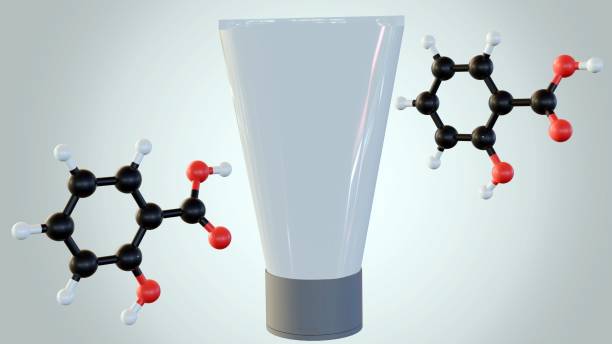
As consumers increasingly seek gentle, skin-friendly, and sulfate-reduced personal care products, formulators are turning to multifunctional surfactants that deliver effective cleansing without compromising skin comfort. Among these ingredients, Cocamidopropyl Betaine (CAPB) has emerged as one of the most widely used and trusted surfactants in the personal care industry.
Found in shampoos, body washes, facial cleansers, baby care products, and hand soaps, Cocamidopropyl Betaine is valued for its mildness, foaming properties, and formulation flexibility. Its ability to enhance cleansing performance while reducing irritation associated with harsher surfactants has made it a cornerstone ingredient in modern personal care formulations.
Cocamidopropyl Betaine is an amphoteric surfactant derived from coconut oil and dimethylaminopropylamine. It belongs to a class of surfactants that can exhibit both positive and negative charges depending on the pH of the formulation.
This unique characteristic allows CAPB to work effectively alongside anionic, nonionic, and cationic surfactants, making it highly versatile in cosmetic and personal care products.
Mild cleansing action.
Excellent foam boosting capabilities.
Good viscosity-building properties.
Compatibility with various surfactant systems.
Reduced skin and eye irritation potential.
Effective performance across a wide pH range.
These properties make CAPB one of the most commonly used secondary surfactants in personal care formulations worldwide.
Consumer preferences have evolved significantly over the past decade. Modern buyers increasingly prioritize products that are:
Sulfate-free or sulfate-reduced.
Suitable for sensitive skin.
Gentle enough for frequent use.
Moisturizing rather than stripping.
Safe for children and babies.
Traditional surfactants can sometimes cause dryness, irritation, or discomfort, particularly in individuals with sensitive skin. As a result, manufacturers are incorporating milder surfactants such as Cocamidopropyl Betaine to improve overall product performance and user experience.
One of the most important applications of Cocamidopropyl Betaine is in shampoo manufacturing.
Consumers often associate rich foam with effective cleansing. CAPB enhances foam volume and stability, creating a luxurious washing experience without relying solely on harsher surfactants.
When combined with primary cleansing agents, CAPB helps reduce irritation potential while maintaining excellent cleaning performance.
The ingredient contributes to smoother hair texture and improved conditioning effects, enhancing post-wash manageability.
Manufacturers use CAPB to achieve:
Rich and stable lather.
Gentle scalp cleansing.
Improved formulation stability.
Enhanced product aesthetics.
Better conditioning performance.
Its versatility makes it suitable for both premium and mass-market shampoo products.
CAPB is equally important in body wash formulations where skin comfort is a key purchasing factor.
The surfactant effectively removes dirt, oils, and impurities while minimizing disruption to the skin's natural moisture barrier.
Consumers often prefer body washes that create abundant foam and leave skin feeling soft and refreshed. CAPB contributes significantly to this experience.
Its compatibility with a wide range of ingredients helps maintain product consistency and long-term stability.
Body washes containing CAPB are commonly marketed as:
Sensitive skin formulations.
Moisturizing body cleansers.
Family-friendly products.
Daily-use shower gels.
Premium skincare-inspired cleansers.
The mildness of Cocamidopropyl Betaine makes it particularly attractive for products intended for delicate skin.
CAPB helps formulate facial cleansers that effectively remove makeup, excess oil, and impurities without excessive dryness.
Many baby shampoos and baby washes utilize CAPB due to its gentle cleansing profile and lower irritation potential compared to stronger surfactants.
The ingredient is frequently included in products designed for individuals with sensitive or easily irritated skin.
These applications continue to drive demand for CAPB in premium skincare and baby care segments.
From a formulation perspective, Cocamidopropyl Betaine offers numerous benefits.
CAPB can simultaneously function as:
A secondary surfactant.
Foam booster.
Viscosity modifier.
Mild cleansing agent.
Conditioning enhancer.
Its multifunctional nature allows formulators to simplify ingredient systems while maintaining desired performance characteristics.
The ingredient works effectively with a variety of surfactants and active ingredients commonly used in personal care formulations.
Products formulated with CAPB can align with market trends focused on mildness, comfort, and premium cleansing experiences.
The personal care industry is increasingly influenced by sustainability initiatives and consumer demand for naturally inspired ingredients.
Demand for skin-friendly and sulfate-free products continues to expand globally.
Consumers are becoming more aware of ingredient selection and its impact on skin wellness.
Higher-value formulations emphasizing mildness and sensory performance are driving increased use of specialty surfactants such as CAPB.
Growing populations and rising disposable incomes continue to support demand for shampoos, body washes, and skincare products worldwide.
These trends are expected to contribute to sustained demand for Cocamidopropyl Betaine.
When sourcing Cocamidopropyl Betaine, manufacturers should evaluate:
Active matter content.
Product purity and consistency.
Regulatory compliance requirements.
Supplier quality certifications.
Sustainability credentials.
Compatibility with intended formulations.
Packaging and logistics capabilities.
Reliable sourcing is essential to ensure consistent product performance and manufacturing efficiency.
Cocamidopropyl Betaine is expected to remain one of the most important surfactants in personal care formulations. As consumer demand shifts toward gentle cleansing solutions and premium skincare experiences, CAPB's role in shampoo, body wash, facial cleanser, and baby care products will continue to expand.
Innovation in sulfate-free and mild cleansing technologies is likely to further strengthen its position within the global surfactant market.
Cocamidopropyl Betaine has transformed modern personal care formulations by providing a unique balance of effective cleansing, rich foam, and skin-friendly performance. Its ability to enhance shampoos, body washes, facial cleansers, and baby care products makes it one of the industry's most valuable surfactants.
As consumers increasingly prioritize mildness, comfort, and ingredient transparency, CAPB will continue to play a pivotal role in shaping the next generation of personal care products. Its versatility, performance, and compatibility ensure that it remains a key ingredient redefining cleansing formulations worldwide.
Featured Product
Found this useful?
Continue Reading
The personal care ingredients market is navigating a dual challenge in 2026: elevated feedstock costs

The bio-based chemicals industry has spent years promising transformation, but many projects never advanced beyond pilot plants and investor presentations. In 2026, however, a select group of bio-based chemicals has finally achieved meaningful commercial scale. Here's what is truly working—and what still isn't.

INEOS is the largest private chemical company in Europe and one of the most acquisitive globally.