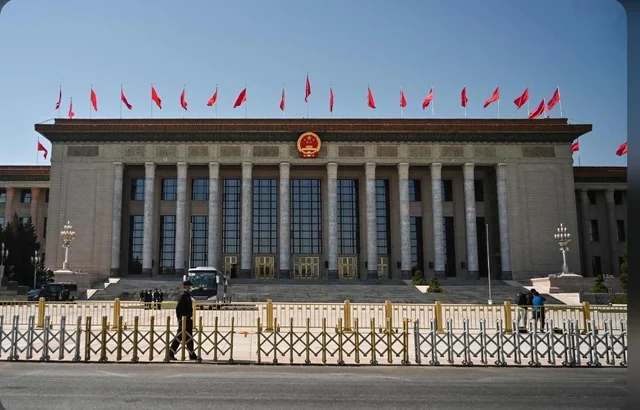
The reported death of a third US service member has intensified political attention surrounding the ongoing campaign, increasing the likelihood of expanded congressional oversight. While the immediate focus remains on national security, heightened legislative scrutiny often leads to broader discussions around sanctions, trade policy, export controls and regulatory enforcement. For chemical manufacturers, distributors and procurement professionals, these developments deserve close attention because policy changes can quickly influence international business operations.
Legislative oversight frequently serves as a catalyst for new compliance requirements or strengthened enforcement. Companies that actively monitor political developments are generally better prepared to adapt when regulatory expectations change.
Why Congressional Oversight Matters
Congressional oversight examines government actions and may influence future legislative or regulatory decisions.
Areas that can affect the chemical industry include:
Changes in any of these areas can alter commercial planning for chemical businesses operating across international markets.
Political Developments Can Influence Regulatory Action
Periods of heightened political attention often accelerate regulatory activity.
Possible outcomes include:
Expanded compliance requirements.
Enhanced sanctions enforcement.
Additional reporting obligations.
Greater supply chain scrutiny.
New legislative proposals.
Businesses that monitor these developments early can respond more efficiently as regulations evolve.
Procurement Teams Should Track Policy Signals
Procurement professionals increasingly rely on regulatory intelligence to support sourcing decisions.
Important monitoring priorities include:
Combining market intelligence with procurement planning helps reduce operational uncertainty.
Compliance Programmes Should Remain Flexible
Changing political conditions require adaptable compliance systems.
Organizations should regularly:
Review internal policies.
Update supplier screening.
Verify logistics partners.
Refresh risk assessments.
Maintain detailed compliance records.
Flexible governance allows businesses to respond quickly if new regulatory measures are introduced.
Cross-Functional Planning Improves Readiness
Regulatory developments affect multiple business functions simultaneously.
Organizations benefit when:
Procurement monitors supplier exposure.
Compliance tracks legislative changes.
Legal evaluates regulatory implications.
Logistics assesses transportation risks.
Executive teams review strategic priorities.
Coordinated planning strengthens organizational resilience during periods of policy uncertainty.
Long-Term Regulatory Monitoring Is Essential
Political events can shape the regulatory environment long after the immediate news cycle ends.
Companies should establish processes for:
These practices help organizations anticipate change instead of reacting after regulations take effect.
What Procurement and Compliance Teams Should Do Now
Heightened congressional oversight following recent geopolitical developments underscores the importance of proactive regulatory monitoring for chemical businesses. Procurement and compliance teams should continue tracking legislative activity, reviewing supply chain exposure and maintaining flexible compliance programmes that can adapt to evolving trade and regulatory requirements.
Organizations that combine strong governance with timely regulatory intelligence will be better positioned to manage uncertainty while maintaining reliable international chemical operations.
Ready to source chemical products from verified global suppliers? Explore competitive offers on our platform today.