Introduction
Industrial facilities are notorious for producing excess heat as a by‑product of chemical processes. Traditionally, this heat is vented or used in limited onsite applications,ecurity. However, waste‑heat recovery projects are emerging as a practical pathway to decarbonise district heating systems and reduce greenhouse gas emissions. A recent pilot project that targets a 1,750‑tonne annual CO₂ reduction illustrates how relatively small investments can unlock scalable decarbonisation opportunities for entire chemical parks.
What Is Waste‑Heat Recovery?
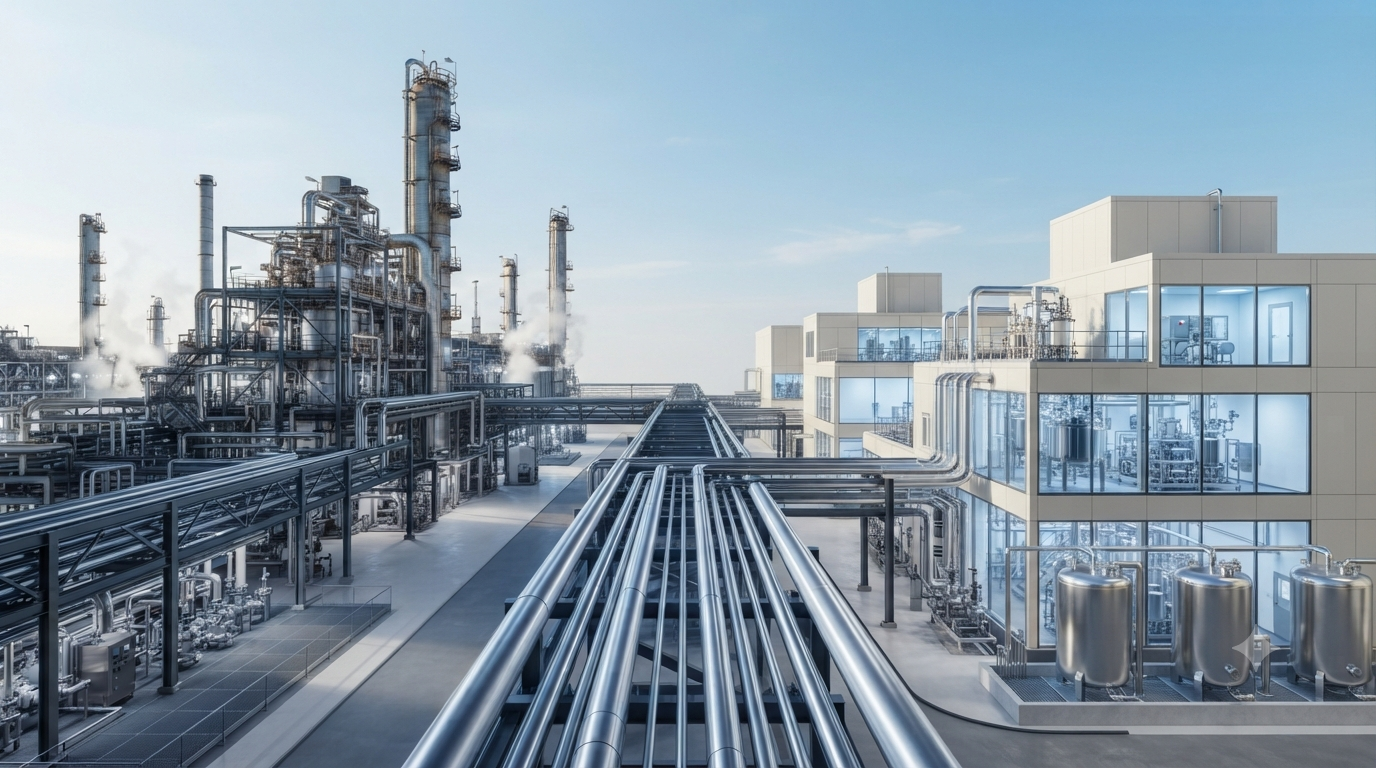
Waste‑heat recovery involves capturing thermal energy that would otherwise be lost, converting it into usable heat, and distributing it through district heating networks. The technology is mature, leveraging heat exchangers, condensers, and insulated pipelines to channel surplus heat from reactors, furnaces, and cooling towers to nearby facilities or community buildings.
Key Components
Heat exchangers transfer thermal energy from process streams to a secondary fluid.
Condensers capture latent heat from steam systems.
Insulated pipelines minimise losses during transportation.
Control systems balance supply with demand and maintain safety.
Case Study: A 1,750‑Ton CO₂ Savings Pilot
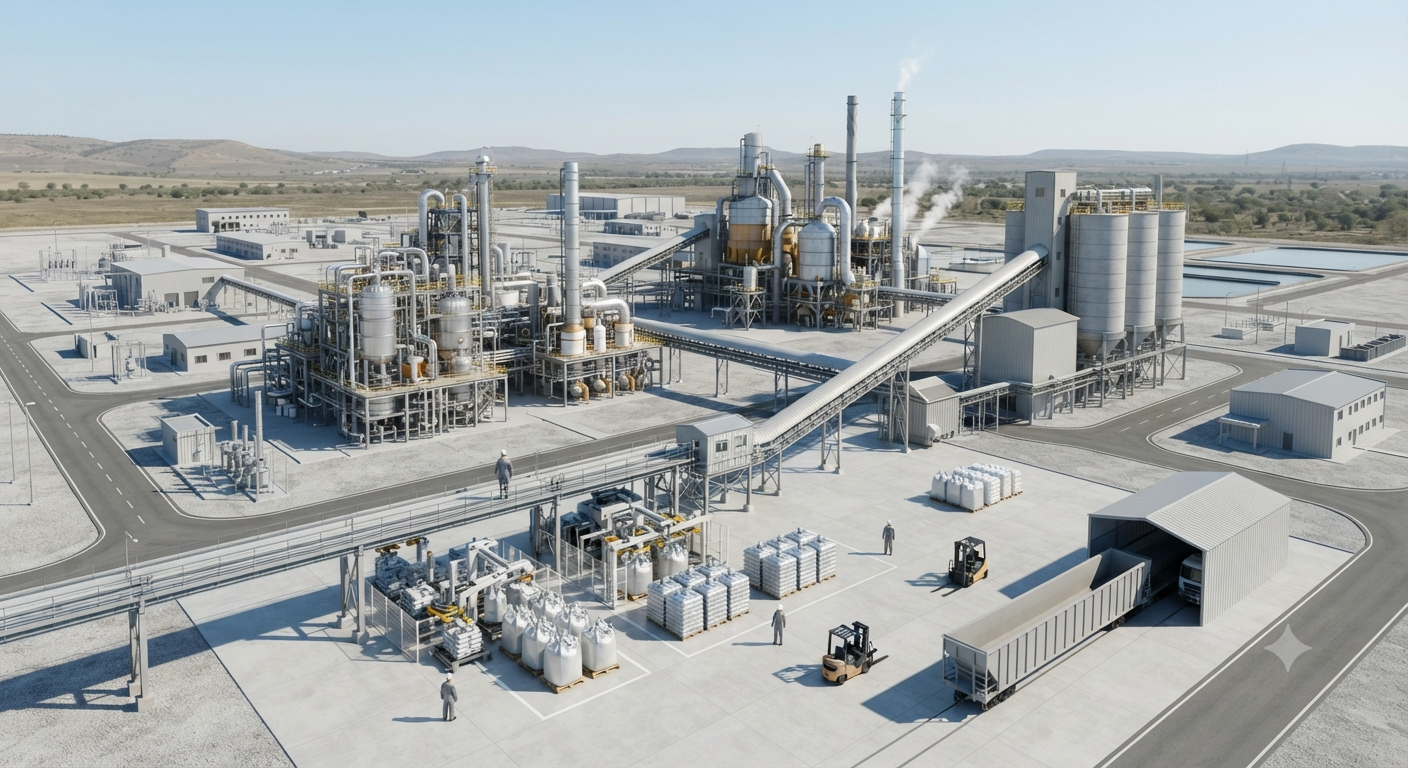
The pilot, situated in a mid‑size chemical park, illustrates the tangible benefits of waste‑heat recovery. By installing a network of heat exchangers and a dedicated district heating loop, the park captured approximately 350 kWh/m² of unused heat per day. When fed into district heating, this energy offset the need for 1,750 t of CO₂‑intensive electricity annually.
Financial Snapshot
Capital expenditure: $1.2 million for equipment and piping.
Operational savings: $300,000 per year from reduced fuel purchases.
Payback period: 4 years.
Why Chemical Parks Should Embrace Waste Heat
For chemical parks, waste heat is not a mere by‑product; it is a *latent asset*. Leveraging it offers neku multiple benefits:
Emission reductions – Directly offset полиции CO₂ from fossil fuel usage.
Enhanced energy efficiency by utilising energy that would otherwise be wasted.
Improved process reliability as heat sources become more stable and less subject to supply disruptions.
Competitive advantage – Demonstrating sustainability commitments can attract investors and customers.
Small Pilot Projects as Catalysts for Scaling
Large‑scale decarbonisation often requires upfront capital and complex integration. Pilot projects circumvent these hurdles by:
Providing a *proof of concept* that validates technology and business models.
Identifying operational challenges early, such as heat transport losses or control system complexity.
Generating data that can inform *scaling strategies* and secure financing.
Scaling Pathways
Expand the heat network to adjacent sites within the park.
Integrate with external district heating grids, creating a *regional energy hub*.
Leverage government incentives, such as tax credits or low‑interest loans, to finance expansion.
Policy and Market Outlook
Governments worldwide are tightening emissions targets and offering incentives for low‑carbon technologies. Waste‑heat recovery aligns with:
National carbon budgets and industrial decarbonisation mandates.
Renewable energy portfolios, as recovered heat can be classified as a renewable or low‑carbon energy source.
Local air‑quality improvement initiatives, reducing particulate matter from combustion processes.
Conclusion
Waste‑heat recovery projects demonstrate that chemical parks can significantly cut emissions Boundless while improving energy efficiency through district heating. A modest pilot that achieves a 1,750‑tonne CO₂ reduction shows that the technology is both effective and scalable. By treating surplus heat as a valuable resource rather than a waste product, chemical parks position themselves at the forefront of industrial decarbonisation, turning small investments into broad, system‑wide benefits.