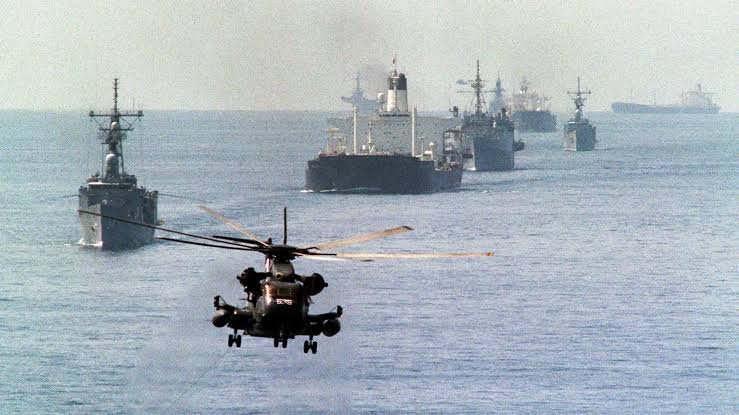
Oil could exceed $100 a barrel as depleted inventories and slower traffic through the Strait of Hormuz tighten the market, according to Amrita Sen of Energy Aspects. The warning places triple-digit crude back at the centre of 2026 commodity risk analysis.
For chemical traders, procurement managers and industrial buyers, the importance of the call extends beyond the accuracy of one price target. A move above $100 could influence refinery economics, petrochemical feedstocks, manufacturing energy and international freight at the same time. Ranking the forecast against other 2026 oil scenarios requires more than comparing headline numbers. Buyers need to examine the assumptions behind each outlook, especially inventory coverage, Hormuz shipping conditions and the duration of regional disruption.
Why the $100 Oil Call Ranks as a High-Risk Forecast
The Energy Aspects warning ranks among the more consequential 2026 oil forecasts because it combines a major price threshold with two physical market constraints.
The first is depleted inventory. Low commercial stocks leave the market with less material available to absorb supply interruptions or unexpected demand.
The second is slower Hormuz traffic. Reduced shipping efficiency through a critical export corridor can limit the speed at which available oil reaches international buyers.
Together, these factors create a stronger case than a forecast based only on geopolitical sentiment. A market can dismiss temporary headlines, but it struggles to ignore lower inventories and reduced physical flows for long.
The $100 level also carries psychological importance. Producers, traders and industrial buyers often reassess budgets and contract assumptions when crude crosses a major threshold.
For chemical procurement teams, the forecast should therefore rank as a serious upside-risk scenario rather than a routine market estimate.
How the Forecast Compares With Lower 2026 Oil Scenarios
Oil outlooks for 2026 can be grouped into three broad scenarios rather than treated as one precise market consensus.
A lower-price scenario assumes that regional tensions ease, Hormuz traffic normalises and global supply remains sufficient. Under this outlook, geopolitical premiums fade and crude returns toward levels supported mainly by demand and production fundamentals.
A middle scenario assumes that the conflict remains unresolved but does not produce a severe physical supply loss. Oil stays elevated as traders retain a risk premium, though prices remain below $100 for most of the period.
The Energy Aspects call represents the higher-risk scenario. It assumes that reduced inventory protection and constrained Gulf traffic amplify one another, allowing crude to exceed $100.
These scenarios can be ranked by their implications for chemical buyers:
Lower-price case: Feedstock and freight pressure ease, giving procurement teams greater flexibility.
Elevated but sub-$100 case: Suppliers maintain shorter quotation validity and selected petrochemical chains face cost inflation.
Above-$100 case: Replacement costs, transport expenses and precautionary buying rise together, creating broader procurement pressure.
The highest scenario does not need to become the base case to influence behaviour. Suppliers may price some probability of it into current offers.
Depleted Inventories Strengthen the Bullish Argument
Inventory conditions determine how effectively the oil market can absorb disruption. High stocks provide a buffer, while depleted inventories increase sensitivity to shipping delays and production losses.
When inventories are low, buyers have less flexibility to postpone purchases. Refiners and distributors may need to compete more aggressively for prompt cargoes.
This can create a rapid repricing process even when total global production has not fallen dramatically. The market reacts to the reduced cushion rather than waiting for a formal shortage.
For chemical producers, inventory tightness can matter at several levels.
Refineries may face higher crude replacement costs. Petrochemical plants may encounter tighter availability for naphtha or other refinery-linked streams. Distributors can also raise safety stocks if they expect further disruption.
The resulting demand for precautionary inventory can reinforce the original price increase. Buyers purchase more because they fear shortages, which places additional pressure on already limited stocks.
Energy Aspects' warning therefore rests partly on market structure, not only geopolitical risk.
Slower Hormuz Traffic Adds a Physical Supply Constraint
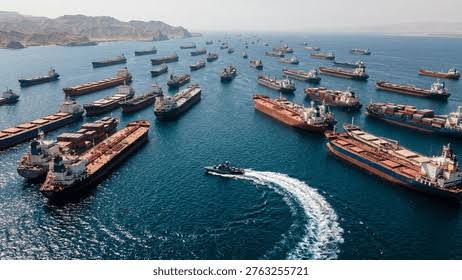
The Strait of Hormuz links major Gulf oil and gas producers with international markets. Slower traffic through the corridor can affect effective supply even when producers continue operating.
A cargo that remains delayed at an export terminal or moves through the route more slowly cannot satisfy immediate demand elsewhere. This creates a timing problem across global trade.
The consequences can include:
Longer tanker voyages and waiting periods
Reduced vessel availability for new fixtures
Higher marine insurance expenses
Increased freight quotations
Delayed crude deliveries to refineries
Slower movement of refined products and petrochemical feedstocks
For chemical importers, these logistics pressures can raise landed costs independently of crude itself.
A supplier may maintain a stable factory-gate chemical price while freight, insurance and delivery risk increase the total cost to the buyer. This is particularly important for bulk chemicals where logistics represent a meaningful share of delivered value.
What Oil Above $100 Could Mean for Petrochemical Feedstocks
A sustained move above $100 would raise replacement-cost risk across petroleum-linked chemical value chains. The size and timing of the effect would vary by production route and region.
Naphtha-based petrochemical producers could face stronger pressure because crude and refinery economics influence their primary feedstock. Aromatics, solvents and polymer intermediates may respond as upstream costs move higher.
Products such as xylene, styrene monomer and certain acetates could experience changing cost structures. However, the price response would still depend on inventories, plant operating rates and downstream demand.
Oil above $100 would not guarantee an identical percentage increase in chemical prices. Producers must have enough market leverage to transfer their higher costs.
In weak demand conditions, suppliers may absorb part of the increase through lower margins. In tighter markets, buyers may face faster and larger price adjustments.
Procurement teams should therefore monitor product-specific feedstocks rather than applying a universal crude oil multiplier across every chemical category.
Freight Could Magnify the Chemical Market Impact
Triple-digit oil can affect freight through both fuel and risk-related channels.
Higher bunker costs raise vessel operating expenses. Slower Hormuz traffic may also reduce effective tanker availability, increasing competition for suitable ships.
Marine insurance can add another layer of cost when carriers operate near conflict-exposed routes. Hazardous or specialised chemical cargoes may face particularly sensitive logistics economics.
For buyers comparing international suppliers, freight can quickly change the ranking of available origins.
A lower FOB offer from a distant producer may become less competitive once fuel, insurance and longer transit times enter the calculation. A closer regional supplier may offer a higher product price but a lower delivered cost.
Procurement teams should request clear separation between product, freight and risk-related charges wherever possible.
This improves negotiations and helps buyers determine whether a price increase reflects the chemical itself or the cost of moving it.
Which Chemical Categories Carry the Greatest Exposure?
The strongest exposure to a $100 oil scenario appears in products connected to hydrocarbon feedstocks, energy-intensive production or long-distance shipping.
Aromatics and petrochemical solvents sit near the top of the list. Polymer chains can also experience pressure through naphtha, ethylene and related intermediates.
Energy-intensive products may face higher costs even without a direct crude link. Producers still rely on electricity, steam and industrial fuel.
Bulk chemicals with low value relative to weight carry significant freight exposure. A higher transport bill can materially change their delivered price.
Procurement teams can rank portfolio risk using four questions:
Does the chemical rely on crude-derived feedstocks?
Does its production require substantial energy?
Does supply depend heavily on Gulf or Hormuz-linked trade?
Does freight represent a large percentage of landed cost?
Products meeting three or four of these conditions deserve priority monitoring.
Why the Forecast Could Still Prove Too High
The Energy Aspects warning presents a credible upside scenario, but several developments could prevent oil from remaining above $100.
A restoration of normal Hormuz traffic would reduce one of the forecast's central constraints. Increased exports from alternative producers could also improve global availability.
Weak economic demand may limit the market's ability to sustain triple-digit prices. High energy costs can reduce consumption and eventually weaken industrial activity.
Inventory releases could provide temporary relief, especially if governments or major market participants decide that supply conditions justify intervention.
Financial markets may also remove geopolitical premiums quickly if diplomatic progress reduces the probability of disruption.
Chemical buyers should therefore avoid treating $100 oil as certain. The forecast serves best as a stress scenario for procurement planning.
A balanced strategy prepares for the upside risk without committing excessive inventory at elevated prices.
Supplier Behaviour May Signal Whether the Forecast Is Gaining Traction
Chemical suppliers often adjust commercial terms before announcing major price increases.
Shorter quotation validity can show that producers lack confidence in their replacement costs. Volume restrictions may indicate concern about future feedstock availability.
Other signals include energy surcharges, freight adjustments and less flexible payment terms.
Buyers should monitor:
Frequency of revised chemical offers
Validity periods on supplier quotations
Changes in contracted volume availability
Rising freight and insurance charges
Requests to renegotiate delivery windows
Longer lead times from Gulf-linked producers
If several indicators appear together while crude approaches $100, the forecast is beginning to influence physical procurement.
If supplier terms remain stable, the market may still view the price call as a higher-risk scenario rather than an immediate operating reality.
How Procurement Teams Should Prepare for a $100 Scenario
Procurement teams should begin with targeted exposure mapping rather than broad stock building.
Critical chemicals with direct oil links, limited suppliers and long lead times may justify higher inventory coverage. Products with diversified production routes and broad availability require a more measured response.
Buyers should review contract structures as well. Fixed or formula-based pricing can create different exposure from spot purchasing.
Supplier diversification remains one of the strongest protections. Qualifying alternative origins before conditions deteriorate gives buyers more flexibility during disruption.
Companies should also examine shipment economics. Consolidating cargoes, changing delivery schedules or using nearer suppliers may reduce freight exposure.
The objective is not to predict whether oil will close above $100 on a particular date. It is to ensure that operations remain protected if Energy Aspects' upside scenario develops.
What Will Determine Whether Oil Breaks $100
The forecast will depend heavily on three measurable indicators: inventories, Hormuz traffic and the duration of regional disruption.
Continued inventory depletion would leave the market increasingly vulnerable. Further reductions in tanker traffic could intensify the physical supply constraint.
A prolonged conflict would increase the probability that insurance, freight and precautionary purchasing reinforce the price move.
Conversely, improved shipping conditions and stronger supply from other regions could prevent prices from sustaining the threshold.
Chemical traders should monitor crude prices alongside vessel movements, refinery activity, freight quotations and feedstock offers.
The strongest confirmation would come from several indicators tightening at once. Oil alone can move on sentiment, but coordinated pressure across shipping and physical chemical markets would signal a broader supply event.
What Chemical Buyers Should Take From the $100 Call
Amrita Sen's warning that oil could exceed $100 a barrel ranks among the most important upside-risk forecasts of 2026 because it connects price risk with depleted inventories and slower Hormuz traffic.
For chemical procurement teams, the forecast should serve as a stress test rather than a guaranteed outcome. Its value lies in identifying where supply chains could become vulnerable if energy prices and shipping constraints worsen together.
Petrochemical feedstocks, industrial energy and international freight would provide the main transmission channels. Products with exposure across all three areas face the greatest risk.
Buyers should maintain disciplined inventories, diversified suppliers and clear visibility into freight and feedstock costs. Panic purchasing could create unnecessary losses if oil retreats, while inadequate coverage could threaten operations if the market moves above $100.
The balance of risk will depend on whether Hormuz traffic improves and inventories stabilise. Until those conditions change, the Energy Aspects forecast deserves a prominent place in chemical procurement planning.
Ready to source xylene from verified global suppliers? Explore competitive offers on our platform today.