Petrochemical acquisitions involve more than evaluating production capacity, revenue and market position. Environmental liability reviews can determine the true risk profile of an asset by examining contamination, regulatory compliance, emissions, waste management and remediation obligations.
A buyer may acquire a facility with decades of operating history, leaving potential environmental responsibilities that do not appear in standard financial statements. These liabilities can affect transaction value, insurance requirements, capital expenditure and post-acquisition operating plans.
For procurement managers and industrial buyers, environmental due diligence also provides insight into future costs. Understanding the condition of an acquired asset can help teams plan sourcing, maintenance, waste management and operational investments before the transaction closes.
Why Environmental Due Diligence Matters in Petrochemical M&A
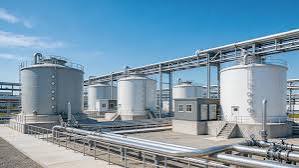
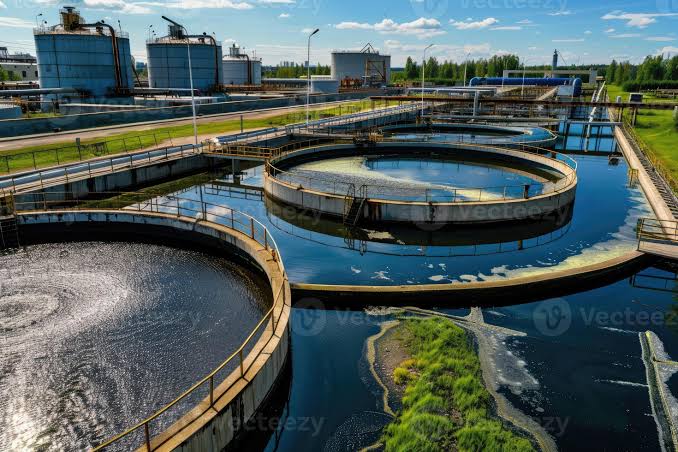
Petrochemical facilities can involve large storage systems, processing units, pipelines, wastewater infrastructure and waste handling operations. Long operating histories can create environmental risks that require careful investigation.
A buyer needs to understand both current compliance and historical activity. Previous spills, releases, waste disposal practices or regulatory notices can create obligations that continue after ownership changes.
Environmental due diligence can therefore influence several transaction decisions:
Valuation: Potential cleanup and compliance costs can affect the economic value of an asset.
Transaction structure: Buyers may negotiate specific protections for identified environmental liabilities.
Capital planning: Required upgrades can change post-acquisition investment requirements.
Insurance: Environmental exposure can affect coverage requirements and transaction risk allocation.
Integration: Existing environmental management systems may need significant improvement after closing.
The earlier these issues emerge, the more options buyers have to address them.
Contamination and Legacy Liabilities Require Detailed Investigation
Historical contamination can represent one of the most difficult issues in petrochemical transactions. Industrial sites may have operated for decades, increasing the possibility of releases involving fuels, hydrocarbons, solvents or other substances.
A review should examine historical site records alongside current environmental conditions. Buyers may need to evaluate previous investigations, remediation activities, monitoring programs and regulatory correspondence.
The US Environmental Protection Agency provides guidance on environmental due diligence and the All Appropriate Inquiries process, which helps prospective purchasers evaluate environmental conditions and potential contamination associated with property acquisitions. (epa.gov)
For buyers, the objective is to determine whether an environmental issue represents a closed historical matter or an ongoing liability.
A clean operating record today does not necessarily eliminate historical environmental exposure.
Emissions Exposure Can Affect Asset Economics
Petrochemical production can generate greenhouse gas emissions and other air pollutants. Environmental reviews therefore need to examine emissions sources, permits, monitoring systems and compliance history.
The review should connect regulatory information with the facility's physical assets. Aging equipment may require upgrades to meet future requirements, while changes in production volumes can alter emissions profiles.
The US EPA's greenhouse gas reporting framework requires certain industrial facilities to monitor and report greenhouse gas emissions. The information provides a useful reference point for understanding the importance of emissions data in industrial operations. (epa.gov)
For M&A teams, emissions exposure can translate into future capital requirements. A buyer should understand whether the acquired facility needs monitoring improvements, process changes or emissions-control investments.
Remediation costs can extend beyond the immediate cleanup of a contaminated area. Buyers may also face long-term monitoring, groundwater management, soil treatment or regulatory reporting requirements.
The scale and duration of remediation can vary considerably between sites. That makes early environmental assessment particularly important for petrochemical assets with extensive operating histories.
Due diligence teams should examine:
Existing remediation plans and environmental studies.
Regulatory orders or compliance commitments.
Historical spills and releases.
Soil and groundwater monitoring results.
Estimated cleanup costs.
Long-term monitoring obligations.
Responsibility for previously identified environmental issues.
These findings can feed directly into financial models and transaction negotiations.
Environmental Permits Need a Complete Review
Petrochemical facilities depend on environmental permits covering areas such as air emissions, wastewater, hazardous materials and waste management. A transaction can expose gaps between permitted operations and actual site activities.
Buyers should confirm that major operating permits remain valid and correspond with the facility's current production profile. They should also examine pending applications, permit modifications and unresolved compliance matters.
A comprehensive permit review can identify whether planned post-acquisition production changes may require additional approvals.
This matters particularly when the buyer intends to increase capacity, change feedstocks or modify production processes. A facility that works under its current permit conditions may face additional regulatory requirements after integration.
Waste Management Creates Another Layer of Risk
Petrochemical operations can generate hazardous and non-hazardous waste streams. Environmental due diligence should examine how waste moves from production areas to storage, treatment, recycling or final disposal.
Poor historical practices can create both environmental and financial exposure. Buyers should understand whether waste handling systems meet current requirements and whether previous disposal activities created liabilities.
The review should cover:
Waste storage areas and containment systems.
Waste classification and tracking procedures.
Licensed disposal and treatment providers.
Historical waste disposal practices.
Records of spills or releases.
Waste reduction and recycling programs.
Existing contracts with waste management providers.
For procurement teams, these findings can also affect supplier and contractor selection after closing.
Environmental Due Diligence Should Connect With Procurement
Procurement teams can contribute valuable information to environmental risk assessments. Supplier contracts, waste management agreements, chemical purchasing records and maintenance arrangements can reveal operational dependencies that may not appear in environmental reports.
A new owner may also want to replace suppliers or consolidate purchasing after an acquisition. Environmental requirements can influence which vendors qualify for these contracts.
Procurement should therefore understand whether suppliers provide appropriate environmental documentation and operate according to the buyer's requirements.
This can include:
Chemical suppliers and raw material sources.
Waste treatment and disposal companies.
Environmental monitoring providers.
Maintenance contractors.
Logistics and transportation providers.
Emergency response service providers.
A coordinated procurement review can reduce the risk of replacing an established supplier without understanding the environmental role that supplier performs.
Cross-Border Petrochemical Deals Add Regulatory Complexity
International petrochemical transactions can involve multiple environmental frameworks. A facility may operate under national regulations while also supplying markets that impose additional requirements on chemical products and environmental information.
Cross-border buyers should map environmental obligations across the relevant jurisdictions. They should also determine whether ownership changes affect permits, reporting responsibilities or existing regulatory agreements.
The transaction team may need to coordinate environmental specialists in several countries. This can make document management and data consistency particularly important.
A centralized due diligence process can help buyers compare facilities using common criteria while still accounting for local regulatory requirements.
Environmental Findings Can Influence Transaction Structure
Environmental liabilities can affect how buyers negotiate an acquisition. When a due diligence review identifies significant exposure, the parties may need to determine how responsibility should be allocated.
Potential approaches can include purchase price adjustments, specific contractual protections, remediation commitments or other transaction mechanisms.
The appropriate approach depends on the nature of the liability and the transaction structure. What matters for buyers is identifying potential exposure early enough to incorporate it into negotiations.
A late discovery can create delays and reduce the buyer's negotiating flexibility.
Post-Acquisition Environmental Management Needs a Plan
Closing the transaction does not close the environmental risk. New owners need a practical plan for addressing identified liabilities and bringing operations into alignment with their environmental objectives.
The first phase should prioritize immediate compliance and significant environmental risks. Longer-term projects can then address efficiency, emissions reduction, remediation and infrastructure modernization.
A post-acquisition plan can include:
Confirming environmental responsibilities at each facility.
Updating compliance management systems.
Reviewing monitoring and reporting procedures.
Prioritizing remediation projects.
Assessing emissions-control investments.
Training employees and contractors.
Establishing consistent environmental performance metrics.
This approach allows management to turn due diligence findings into an actionable operating program.
What Petrochemical Buyers Should Review Before Closing
Environmental liability reviews are becoming an essential part of petrochemical M&A because historical operations can create obligations that extend well beyond the transaction date. Buyers need visibility into both known issues and potential future exposure.
A focused review should cover five major areas:
Compliance history: Identify permits, violations, regulatory notices and unresolved obligations.
Contamination: Examine historical releases, soil conditions, groundwater and remediation activity.
Emissions: Review emissions sources, monitoring systems, reporting records and potential future investment needs.
Waste: Assess storage, treatment, disposal and historical waste management practices.
Legacy liabilities: Determine which environmental obligations could continue after ownership changes.
Procurement teams should connect these findings with supplier contracts, operational requirements and post-acquisition sourcing plans. This can help prevent environmental issues from becoming unexpected operating costs.
The Bottom Line for Petrochemical M&A
Environmental due diligence gives buyers a clearer view of the risks behind petrochemical assets. Contamination, emissions exposure, remediation obligations and compliance history can all affect valuation and post-acquisition investment requirements.
The strongest transaction teams treat environmental review as an integrated commercial exercise rather than a separate regulatory checklist. By combining environmental, legal, financial, operational and procurement information, buyers can make better decisions about the assets they acquire.
For chemical traders and industrial procurement teams, stronger environmental oversight can also change sourcing requirements after an acquisition. New owners may seek alternative suppliers, improved waste management services and materials that support upgraded environmental performance.
Ready to source Sulphur from verified global suppliers? Explore competitive offers on our platform today.