Pharmaceutical M&A has accelerated sharply in 2026 as major drugmakers look beyond internal research to secure future growth. The biggest pharmaceutical acquisition deals of 2026 show a clear preference for established clinical assets, commercial products and technologies that can strengthen portfolios before major patent expirations.
PwC reported in June that nearly every major pharmaceutical player had announced at least one $1 billion-plus biopharma transaction during the previous 12 months. The firm also identified more than $300 billion in branded pharmaceutical revenue exposed to loss of exclusivity this decade, creating significant pressure to replenish pipelines.
The largest transactions of the year also reveal how strategic priorities are shifting across women's health, oncology, immunology, rare disease and other high-value therapeutic areas.
The Biggest Pharmaceutical Deals of 2026 So Far
Deal rankings can change as transactions are announced, revised or completed, but several acquisitions have already established themselves among the year's largest pharmaceutical transactions.
Sun Pharmaceutical Industries' proposed acquisition of Organon leads the list at approximately $11.75 billion, according to industry deal trackers. AbbVie's acquisition of Apogee Therapeutics follows at approximately $10.9 billion, while GSK's acquisition of Nuvalent was valued at approximately $10.6 billion.
Other major transactions include:
Sun Pharma and Organon: The approximately $11.75 billion transaction gives Sun greater exposure to women's health, biosimilars and Organon's established global commercial infrastructure.
AbbVie and Apogee Therapeutics: The roughly $10.9 billion acquisition strengthens AbbVie's immunology portfolio and provides access to Apogee's development programs.
GSK and Nuvalent: GSK's approximately $10.6 billion transaction adds targeted oncology programs to its pipeline.
Novartis and Avidity Biosciences: Novartis agreed to acquire Avidity for approximately $12 billion, highlighting the industry's willingness to make major bets on advanced therapeutic platforms.
Eli Lilly and Centessa Pharmaceuticals: Lilly's approximately $8.14 billion acquisition added a development-stage portfolio and became one of the year's largest deals before larger transactions moved ahead.
These figures illustrate a market where several transactions have reached or exceeded the $10 billion threshold.
Sun Pharma's Organon Deal Signals a Broader Portfolio Strategy
Sun Pharma's proposed acquisition of Organon represents one of the most significant pharmaceutical transactions of 2026. The deal would expand Sun's international presence while adding Organon's established portfolio in women's health and biosimilars.
The strategic rationale goes beyond adding individual medicines. Organon provides an established global commercial network, manufacturing capabilities and a portfolio that can broaden Sun Pharma's exposure beyond its existing core businesses.
For procurement teams, transactions of this scale can create changes across manufacturing and sourcing networks. A buyer may reassess raw material contracts, manufacturing locations, packaging requirements and supplier relationships after integration.
Large acquisitions can therefore generate opportunities for suppliers that can provide reliable pharmaceutical-grade materials across multiple markets.
AbbVie Is Using M&A to Strengthen Immunology
AbbVie's acquisition of Apogee Therapeutics demonstrates another important 2026 strategy: using M&A to strengthen high-value therapeutic franchises.
The approximately $10.9 billion transaction gives AbbVie access to Apogee's immunology pipeline. This reflects the industry's wider preference for acquiring assets that can address future revenue requirements while expanding existing therapeutic capabilities.
Immunology remains strategically important because successful therapies can generate substantial recurring demand. For pharmaceutical manufacturers and suppliers, acquisitions in this area can eventually increase requirements for specialized active pharmaceutical ingredients, excipients and production inputs.
The commercial impact, however, depends on clinical development and regulatory outcomes. Pipeline-focused acquisitions carry a different risk profile from purchases of companies with established commercial products.
GSK's Nuvalent Acquisition Highlights Oncology Demand
GSK's approximately $10.6 billion acquisition of Nuvalent adds another major oncology transaction to the 2026 rankings. The deal reflects the continuing pharmaceutical focus on targeted treatments and differentiated cancer therapies.
Oncology has remained one of the industry's most active areas for external innovation. Companies are seeking assets that can complement existing portfolios while addressing markets with significant unmet medical needs.
For procurement and supply chain teams, oncology-focused acquisitions can eventually affect production requirements as successful programs move through clinical development toward commercialization.
The key challenge lies in planning for uncertain demand. Early-stage programs may require relatively limited material volumes, while successful commercialization can produce rapid increases in manufacturing requirements.
Novartis Shows That Smaller Pipeline Bets Still Carry Major Risk
Novartis' approximately $12 billion acquisition of Avidity Biosciences demonstrates the scale of investment companies are willing to make in innovative biotechnology.
The transaction also provides an important reminder about acquisition risk. Avidity's lead program subsequently failed to meet objectives in a late-stage trial, causing Novartis shares to fall sharply in September 2026.
The development illustrates why pharmaceutical M&A cannot be evaluated solely by transaction value. A large acquisition can provide access to promising science while still exposing the buyer to clinical, regulatory and commercial uncertainty.
A billion-dollar pipeline does not guarantee a billion-dollar commercial return.
Buyers increasingly need detailed diligence covering clinical evidence, manufacturing readiness, regulatory requirements, intellectual property and commercial potential.
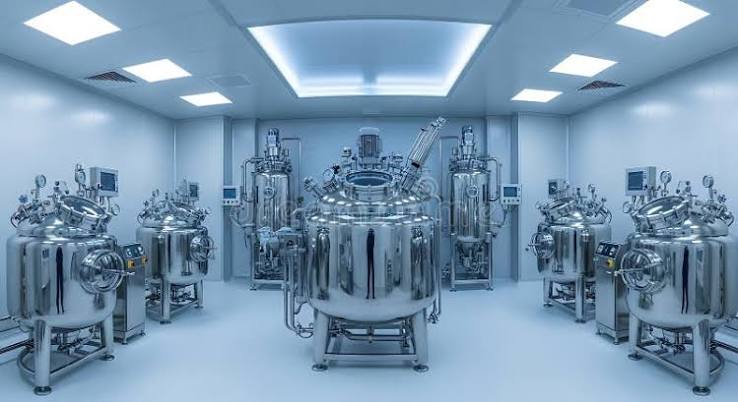
[IMAGE PLACEHOLDER 1] Dimensions: 1200 x 800 px AI Image Prompt: "[Photorealistic scene only. Senior pharmaceutical executives and scientists reviewing a drug development program inside a modern pharmaceutical research and manufacturing facility, glass laboratory walls, stainless steel equipment and realistic corporate-industrial setting, sophisticated but natural lighting, no charts, no data visualizations, no text, no labels, no logos.]"
Patent Expirations Continue to Drive Acquisition Demand
One of the strongest forces behind pharmaceutical M&A in 2026 is the approaching loss of exclusivity for major medicines. PwC estimates that more than $300 billion in branded pharmaceutical revenue is exposed to loss of exclusivity during this decade.
Patent expirations can create significant revenue gaps. Drugmakers therefore have strong incentives to acquire products and platforms that can generate future growth before existing blockbusters face generic or biosimilar competition.
Reuters reported in May that more than $300 billion in branded drug revenue faces generic threats over the next five years. The report also noted that large pharmaceutical companies are increasingly using smaller transactions to reduce the risk associated with major acquisitions.
This explains why the 2026 deal landscape contains both mega-acquisitions and numerous smaller transactions.
Deal Size Does Not Tell the Whole Story
Transaction value provides a useful benchmark, but it does not fully explain why a pharmaceutical company makes an acquisition.
A $10 billion deal for a commercial-stage company can have a very different strategic profile from a similar-sized acquisition centered on early-stage clinical assets. Buyers need to consider revenue, pipeline maturity, intellectual property, manufacturing infrastructure and geographic reach.
For procurement managers, the distinction is especially important. An acquisition of a commercial pharmaceutical company can immediately alter purchasing volumes, while a development-stage biotechnology acquisition may have limited near-term impact on raw material demand.
The most useful M&A analysis therefore combines transaction value with strategic purpose.
What the 2026 Rankings Reveal About Pharma Strategy
The largest deals point toward several common strategic priorities:
Pipeline replacement: Major drugmakers are acquiring assets to offset future revenue lost to patent expirations.
Therapeutic specialization: Oncology, immunology, rare disease and other specialized fields remain attractive targets.
External innovation: Companies are using acquisitions to access scientific platforms that may take years to develop internally.
Commercial expansion: Deals such as Sun Pharma's Organon transaction can provide access to established products and international infrastructure.
Risk diversification: Some companies favor several smaller acquisitions rather than committing capital to a single transformative transaction.
Together, these trends suggest that pharmaceutical M&A is becoming an increasingly important component of long-term portfolio management.
M&A Can Reshape Pharmaceutical Supply Chains
Large acquisitions can have consequences beyond corporate ownership. Integration teams may consolidate manufacturing facilities, change suppliers, renegotiate contracts or shift production between regions.
These changes can affect demand for pharmaceutical raw materials and processing inputs. A new owner may also introduce different supplier qualification standards or seek greater purchasing scale across its combined operations.
Procurement teams should therefore monitor M&A activity involving their major customers. Useful indicators include:
Changes in manufacturing footprints.
Facility acquisitions or closures.
New supplier qualification requirements.
Consolidation of raw material purchasing.
Changes in production volumes.
Outsourcing or contract manufacturing decisions.
Understanding these developments early can help suppliers adapt capacity and commercial strategies.
The Market Is Moving Toward Strategic M&A
The pharmaceutical acquisition market is likely to remain active as companies address patent expirations, pipeline gaps and competition for innovative assets. PwC's 2026 midyear assessment describes heightened dealmaking urgency among major pharmaceutical companies, with multiple large players pursuing billion-dollar transactions.
At the same time, the performance of individual deals will depend on clinical results, regulatory decisions and the ability of buyers to integrate acquired assets effectively.
The biggest transactions therefore provide more than a ranking. They offer a snapshot of where pharmaceutical companies believe future growth will come from.
What Procurement Teams Should Watch Next
Pharmaceutical M&A creates a moving environment for suppliers and procurement managers. Each major transaction can potentially change production volumes, supplier relationships and manufacturing strategies.
Procurement teams should track the largest transactions while also looking beyond headline values. The therapeutic area involved, development stage, geographic footprint and manufacturing model can provide stronger clues about future sourcing requirements.
For chemical and pharmaceutical suppliers, this creates an opportunity to build relationships before demand changes become visible in purchasing data. Suppliers that can demonstrate quality consistency, dependable logistics and scalable capacity can become valuable partners during post-acquisition integration.
The Bottom Line for Pharmaceutical M&A
The biggest pharmaceutical acquisition deals of 2026 demonstrate an industry focused on replacing future revenue, strengthening pipelines and expanding strategic positions in high-value therapeutic markets. Transactions involving Organon, Apogee, Nuvalent, Avidity and Centessa illustrate the range of strategies driving major dealmaking this year.
For procurement professionals, the significance extends beyond transaction values. Pharmaceutical M&A can reshape manufacturing footprints, supplier networks and demand for critical materials as companies integrate acquired businesses and prepare promising therapies for commercialization.
Following M&A activity can therefore provide early insight into future purchasing requirements across the pharmaceutical supply chain. Ready to source D-Calcium Pantothenate (Vitamin B5) from verified global suppliers? Explore competitive offers on our platform today.