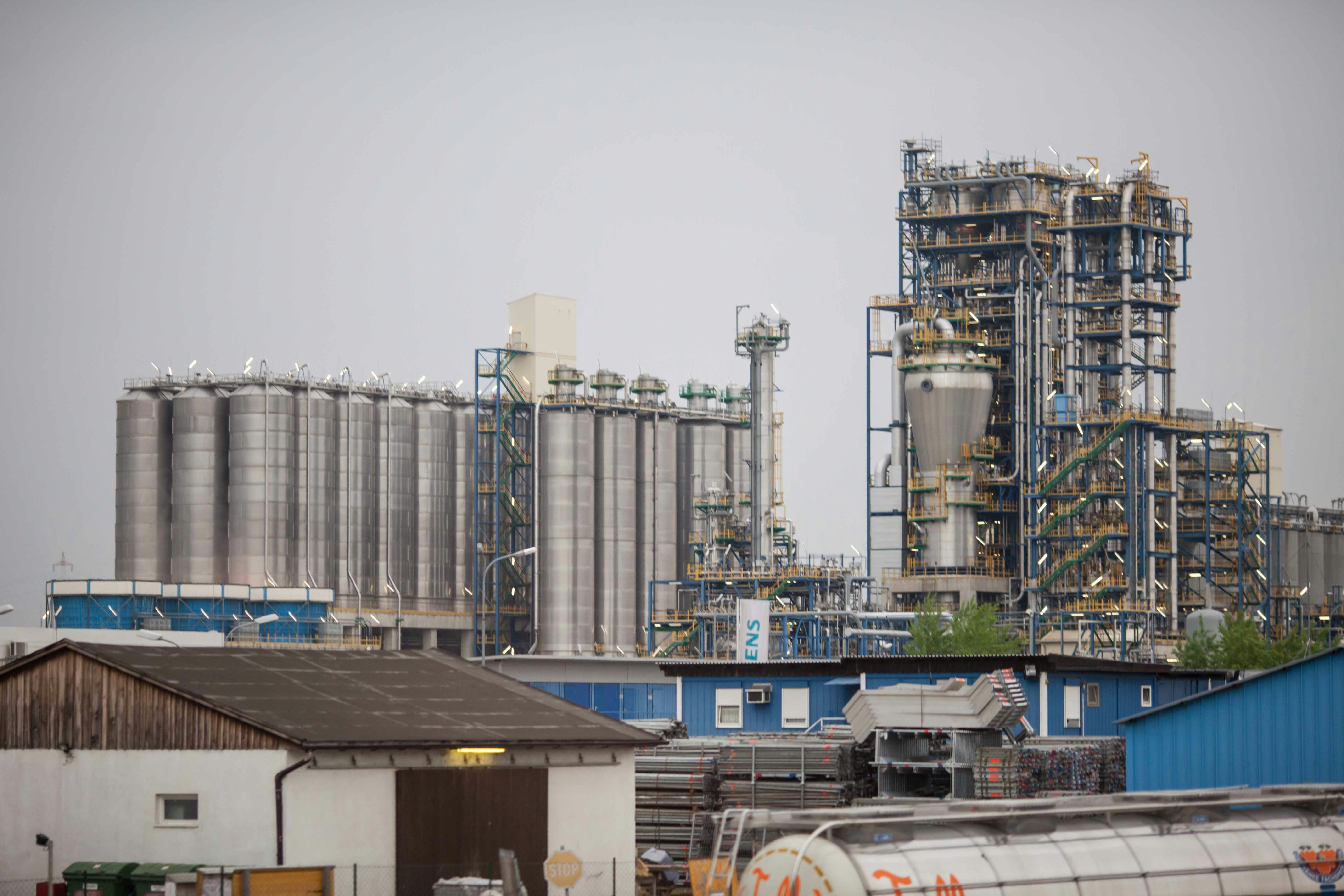
Evonik's API Investment Signals Sustained Confidence in US Fine Chemical Manufacturing
Introduction
The pharmaceutical and fine chemical industries continue to evolve as manufacturers invest in advanced production capabilities to strengthen supply chain resilience and meet growing global demand. Evonik’s continued investment in Active Pharmaceutical Ingredient (API) manufacturing highlights the company's long-term confidence in the United States as a strategic hub for fine chemical production. The move reflects broader industry trends toward expanding domestic manufacturing capacity, enhancing technological capabilities, and supporting pharmaceutical innovation.
As governments and healthcare companies prioritize secure and reliable supply chains, investments in high-value chemical manufacturing are expected to play an increasingly important role in the future of the pharmaceutical sector.
Why API Manufacturing Matters
Active Pharmaceutical Ingredients (APIs) are the biologically active compounds that provide the therapeutic effect in medicines. Their production requires sophisticated chemical synthesis, strict quality control, and compliance with international regulatory standards.
API manufacturing is considered one of the most advanced segments of the chemical industry because it involves:
Complex chemical synthesis
High-purity production processes
Strict Good Manufacturing Practice (GMP) compliance
Advanced analytical testing
Highly specialized manufacturing equipment
Robust quality assurance systems
Expanding API production strengthens pharmaceutical supply chains and supports the development of innovative medicines.
Why the United States Remains Attractive for Fine Chemical Manufacturing
The United States continues to attract investment in fine chemicals due to its strong industrial infrastructure, skilled workforce, research ecosystem, and regulatory framework.
Key advantages include:
Advanced Manufacturing Infrastructure
Modern production facilities and reliable utilities support efficient manufacturing operations for high-value chemicals.
Strong Research and Innovation
Collaboration between chemical companies, universities, and pharmaceutical firms accelerates product development and process innovation.
Skilled Workforce
The availability of experienced engineers, chemists, and manufacturing specialists supports complex API production.
Regulatory Confidence
Well-established regulatory oversight helps maintain product quality, patient safety, and international market access.
Industry Trends Driving Investment
Several long-term trends are encouraging continued investment in fine chemical manufacturing.
Supply Chain Resilience
Companies are diversifying production locations to reduce dependence on single-source suppliers and improve business continuity.
Growing Pharmaceutical Demand
Increasing healthcare needs, aging populations, and expanding access to medicines continue to drive demand for pharmaceutical ingredients.
Advanced Manufacturing Technologies
Automation, digital process control, and continuous manufacturing improve production efficiency while maintaining high quality standards.
Sustainability Initiatives
Manufacturers are investing in greener production methods that reduce waste, energy consumption, and environmental impact.
Benefits for the Pharmaceutical Supply Chain
Investments in domestic API manufacturing can provide several strategic advantages.
These include:
Improved supply chain reliability
Reduced transportation risks
Faster response to changing market demand
Enhanced product quality control
Greater manufacturing flexibility
Increased regulatory compliance
These benefits contribute to more resilient pharmaceutical production and improved patient access to essential medicines.
Opportunities for Fine Chemical Suppliers
The expansion of API manufacturing also creates opportunities across the broader chemical value chain.
Potential beneficiaries include:
Specialty chemical manufacturers
Solvent producers
Catalyst suppliers
Packaging material providers
Analytical testing laboratories
Engineering and equipment suppliers
Contract development and manufacturing organizations (CDMOs)
As production capacity grows, demand for supporting products and technical services is likely to increase.
Challenges That Manufacturers Must Address
Despite positive investment trends, manufacturers continue to face several operational challenges.
These include:
Rising production costs
Skilled labor shortages
Regulatory compliance requirements
Energy price volatility
Raw material availability
Cybersecurity risks in digital manufacturing
Companies that proactively address these challenges will be better positioned to remain competitive in the evolving pharmaceutical market.
Looking Ahead
Investment in advanced API manufacturing reflects a broader industry commitment to strengthening pharmaceutical supply chains and expanding domestic production capabilities. Continued innovation in process technology, digital manufacturing, and sustainable chemistry is expected to shape the future of fine chemical manufacturing in the United States.
As global healthcare demand continues to rise, manufacturers that combine operational excellence, regulatory compliance, and technological innovation will play a vital role in supporting the next generation of pharmaceutical products.
Conclusion
Evonik's investment in API manufacturing demonstrates sustained confidence in the future of US fine chemical production. By expanding advanced manufacturing capabilities, the company supports stronger pharmaceutical supply chains, enhances production resilience, and contributes to continued innovation within the healthcare sector.
For chemical manufacturers, suppliers, and procurement professionals, investments in domestic API production represent both a strategic growth opportunity and a signal of the industry's long-term commitment to reliable, high-quality pharmaceutical manufacturing.