





Agrochemicals & Fertilizers
Aug 4, 2026schedule4 Min Read
South Asia and West Africa's resilient fertilizer demand
Discover why South Asia and West Africa continued purchasing NPK fertilizers despite elevated global prices
Full Reportarrow_forward

prodchem
Aug 4, 2026
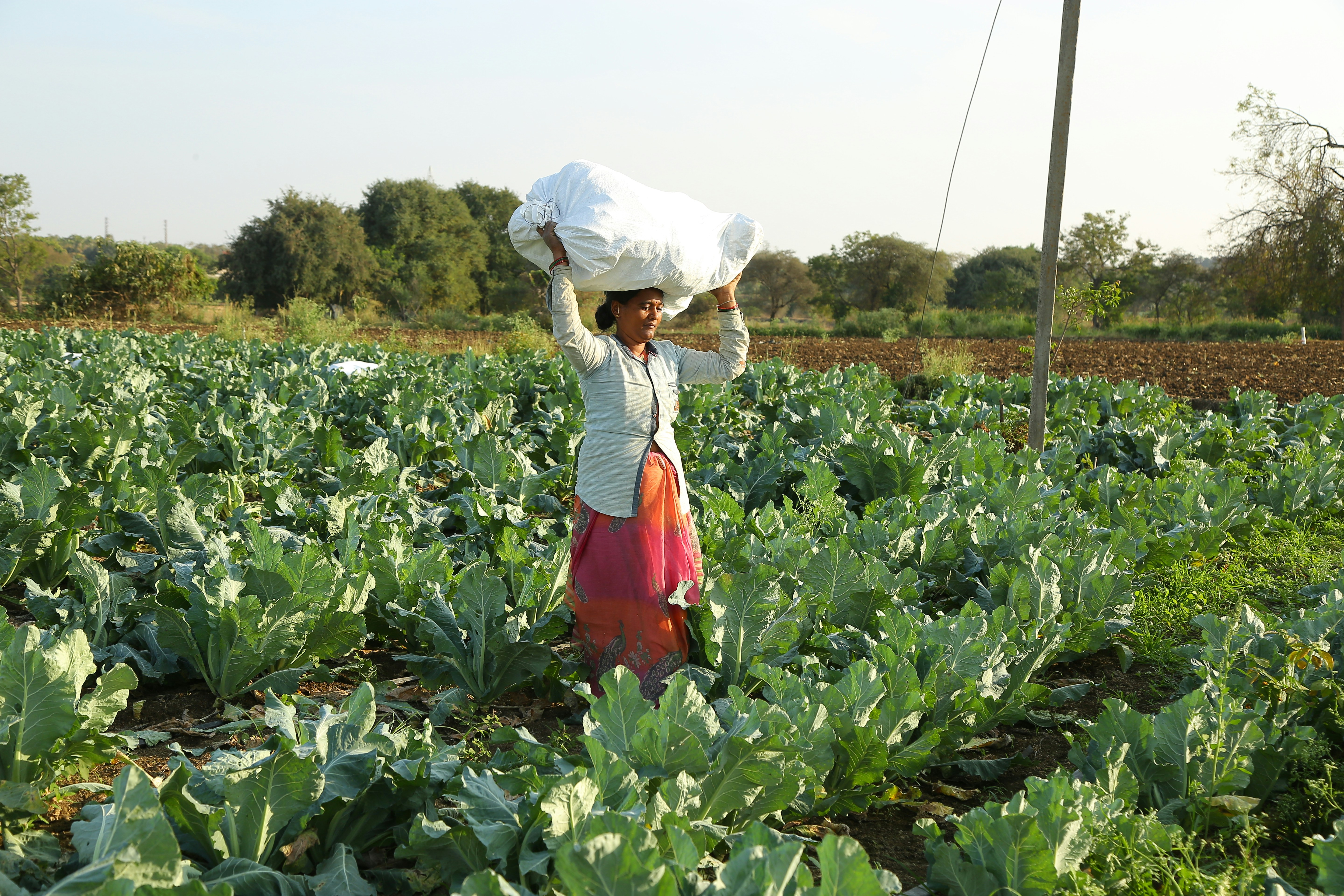
For millions of farmers in developing economies, access to affordable fertilizers is essential for maintaining crop yields, food security, and household income. However, while global fertilizer supply has gradually improved in recent years, affordability remains a major challenge. In particular, the Diammonium Phosphate (DAP) Affordability Index has risen above the highs recorded during the 2022 fertilizer crisis in several markets, making phosphate fertilizers increasingly difficult for smallholder farmers to purchase.
The affordability issue is driven not only by fertilizer prices but also by lower crop incomes, currency depreciation, higher transportation costs, and limited access to agricultural financing. As a result, many farmers are reducing fertilizer application rates or delaying purchases, creating long-term risks for agricultural productivity.
The DAP Affordability Index measures how affordable DAP fertilizer is relative to farmers' purchasing power. Rather than looking only at fertilizer prices, the index considers factors such as crop prices, farm income, exchange rates, and production costs.
A higher affordability index generally indicates that farmers must spend a larger share of their income to purchase the same quantity of fertilizer.
When affordability declines, farmers often reduce fertilizer usage, which can negatively affect crop yields and profitability.
Several economic and market factors have widened the affordability gap for farmers in developing countries.
Export restrictions, higher sulfur costs, and constrained phosphate supply have kept DAP prices elevated.
Weaker local currencies increase the cost of imported fertilizers, even when global prices stabilize.
Transportation expenses add significantly to the final price paid by farmers, particularly in landlocked and remote regions.
Crop prices have not increased at the same pace as fertilizer costs in many agricultural markets.
Many smallholder farmers lack affordable financing, making it difficult to purchase fertilizers before planting seasons.
The affordability gap affects agricultural production in several ways.
Farmers often apply less fertilizer than recommended to reduce expenses.
Insufficient nutrient application can reduce productivity and crop quality.
Poor soil nutrition increases vulnerability to weather stress and disease.
Lower yields and higher production costs reduce household income.
Declining agricultural productivity can contribute to higher food prices and supply shortages in developing economies.
The affordability challenge is particularly severe in regions that depend heavily on imported fertilizers.
These include:
Sub-Saharan Africa
South Asia
Southeast Asia
Parts of Latin America
Low-income agricultural economies
Many of these regions are dominated by smallholder farming, where fertilizer purchases represent a significant share of seasonal production costs.
Addressing fertilizer affordability requires coordinated action from governments, financial institutions, suppliers, and agricultural organizations.
Key strategies include:
Affordable credit programs help farmers purchase inputs before planting seasons.
Reducing transportation and distribution costs lowers the final price paid by farmers.
Efficient fertilizer use and soil testing improve nutrient utilization while reducing unnecessary costs.
Domestic manufacturing can reduce dependence on imported fertilizers and improve long-term supply security.
Training farmers in precision nutrient management increases fertilizer efficiency and return on investment.
Although global fertilizer supply conditions are gradually improving, affordability is expected to remain a significant concern in many developing markets. Exchange rate volatility, transportation costs, and raw material prices will continue influencing fertilizer accessibility.
At the same time, governments and development organizations are increasingly investing in fertilizer subsidy reforms, digital agricultural financing, and climate-smart farming initiatives to improve long-term affordability and productivity.
The widening fertilizer affordability gap demonstrates that stable global supply alone does not guarantee access for farmers. As the DAP Affordability Index exceeds levels seen during the 2022 fertilizer crisis in many developing markets, smallholder farmers face increasing financial pressure that threatens productivity, incomes, and food security.
Closing this gap will require a combination of improved financing, more efficient supply chains, balanced nutrient management, and supportive agricultural policies. For fertilizer suppliers, policymakers, and procurement professionals, ensuring affordability will be just as important as ensuring product availability in building resilient agricultural systems.
Featured Product
Found this useful?
Continue Reading
Discover why South Asia and West Africa continued purchasing NPK fertilizers despite elevated global prices

Learn how the rising DAP affordability gap is affecting smallholder farmers in developing markets, reducing fertilizer access

Explore how the high carbon footprint of nitrogen fertilizers is driving demand for biofertilizers, sustainable farming practices