South Asia and West Africa's Resilient Fertilizer Demand: Why These Regions Kept Buying NPK Despite Elevated Global Pricing
Introduction
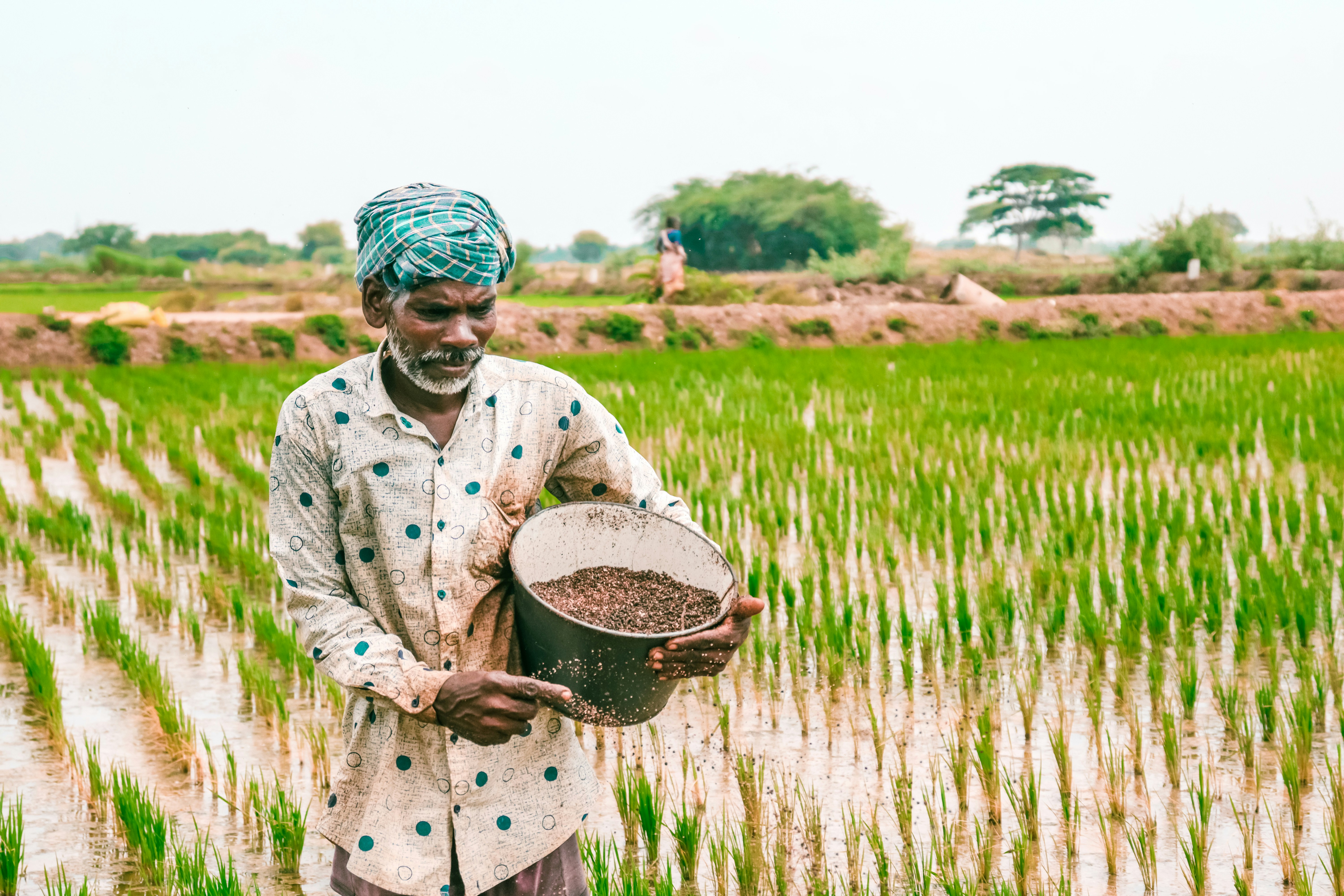
Despite elevated global fertilizer prices over the past two years, South Asia and West Africa have continued to demonstrate strong demand for NPK (Nitrogen, Phosphorus, and Potassium) compound fertilizers. While higher raw material costs, freight expenses, and supply chain disruptions have increased fertilizer prices worldwide, farmers and governments across these regions have maintained purchasing activity to protect agricultural production and food security.
The resilience of NPK demand highlights the essential role fertilizers play in supporting crop yields, rural livelihoods, and national food supplies. For fertilizer manufacturers, distributors, and procurement professionals, understanding the drivers behind this sustained demand is crucial for developing effective sourcing and market strategies.
Why NPK Fertilizers Remain Essential
NPK compound fertilizers provide a balanced combination of the three primary nutrients required for healthy plant growth.
These nutrients include:
Nitrogen (N) – Promotes leaf and stem development.
Phosphorus (P) – Supports root growth and flowering.
Potassium (K) – Improves crop quality, disease resistance, and water efficiency.
Because they supply multiple nutrients in one product, NPK fertilizers simplify application and improve nutrient management for farmers.
Why Demand Stayed Strong in South Asia
Several factors helped sustain fertilizer purchases across South Asian markets.
Food Security Priorities
Governments continue to prioritize domestic food production to meet the needs of rapidly growing populations.
Intensive Agricultural Systems
Countries such as India, Pakistan, and Bangladesh rely heavily on fertilizers to maintain high crop productivity from limited agricultural land.
Government Support Programs
Fertilizer subsidies, procurement initiatives, and agricultural assistance programs have helped reduce the financial burden on farmers.
Seasonal Crop Cycles
Regular planting seasons create consistent fertilizer demand regardless of short-term price fluctuations.
Why West Africa Continued Buying
Agricultural expansion and improving farming practices have supported resilient fertilizer demand across West Africa.
Key drivers include:
Expanding Agricultural Production
Many countries are increasing cultivation to improve food security and reduce import dependence.
Rising Fertilizer Awareness
Extension services and development programs have encouraged greater adoption of balanced nutrient management.
Government and Development Support
Public-sector initiatives and international organizations continue to promote fertilizer accessibility and agricultural productivity.
Growing Commercial Farming
Increasing investment in commercial agriculture has strengthened long-term fertilizer demand.
Why Buyers Continued Purchasing Despite High Prices
Although fertilizer prices remained elevated, several factors reduced the impact of higher costs.
For many farmers, reducing fertilizer use could lead to significantly lower crop yields and reduced income.
Crop Demand Remained Strong
Steady demand for staple food crops encouraged continued investment in agricultural inputs.
Policy Support
Subsidies, financing programs, and public procurement helped sustain purchasing activity.
Long-Term Productivity Goals
Farmers increasingly recognize that balanced nutrient application improves soil health and long-term agricultural output.
Challenges That Still Exist
Despite resilient demand, buyers continue to face several market challenges.
These include:
High phosphate fertilizer prices.
Rising transportation and freight costs.
Currency depreciation in importing countries.
Limited access to agricultural finance.
Supply chain disruptions.
Price volatility in global raw material markets.
These factors continue to influence procurement decisions and fertilizer affordability.
Procurement Strategies for Suppliers
Fertilizer manufacturers and distributors can better serve these growing markets through proactive planning.
Strengthen Regional Distribution Networks
Efficient logistics improve product availability during peak planting seasons.
Diversify Supply Sources
Multiple sourcing options reduce supply risks and improve procurement flexibility.
Support Farmer Financing
Credit programs and flexible payment options improve fertilizer accessibility.
Improve Demand Forecasting
Monitoring seasonal planting patterns helps optimize inventory management.
Focus on Total Value
Providing agronomic support and balanced nutrient solutions can strengthen long-term customer relationships beyond price competition.
Market Outlook
Demand for NPK fertilizers in South Asia and West Africa is expected to remain strong as governments continue investing in agricultural development and food security. Population growth, expanding cultivated land, and increasing awareness of balanced crop nutrition will continue supporting fertilizer consumption.
Although global fertilizer prices may remain sensitive to raw material costs and geopolitical developments, these regions are likely to remain among the most important growth markets for NPK fertilizers over the coming years.
Conclusion
The continued resilience of NPK fertilizer demand in South Asia and West Africa demonstrates the strategic importance of balanced crop nutrition in supporting food security and agricultural productivity. Even amid elevated global fertilizer prices, farmers, governments, and agricultural organizations have continued investing in essential nutrient inputs to sustain crop production.
For fertilizer suppliers, distributors, and procurement professionals, these markets present significant long-term opportunities. Success will depend on reliable supply chains, diversified sourcing strategies, affordable financing solutions, and a strong understanding of regional agricultural needs.