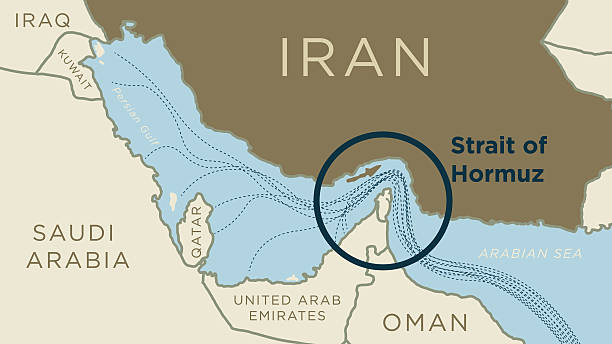
The Strait of Hormuz, a critical chokepoint that channels roughly a fifth of the world’s oil and a significant share of maritime cargo, is once again under strain. Recent reports of escalating confrontations between naval forces and merchant vessels have resulted in a marked decline in ship transits. This article examines how these fresh clashes are reshaping chemical and fertilizer logistics, amplifying freight risk, and casting a shadow over the global supply chain.
Recent Clashes and Their Impact
Late last month, a series of incidents involving armed patrols and cargo ships led to temporary blockades and rerouting of vessels. Shipping companies reported delays ranging from 12 to 48 hours, with some ships diverting to alternative routes that add up to 250 nautical miles. The heightened activity has forced maritime authorities to issue new navigational advisories, and the International Maritime Organization has called for increased coordination to maintain safe passage.
Disruption of Chemical and Fertilizer Logistics
Chemicals and fertilizers, which rely heavily on the Hormuz corridor for export to Asia and Europe, are experiencing significant bottlenecks. The delay in transit times has caused a backlog of containers, forcing port operators to hold cargo for longer periods. This surge in storage costs, coupled with the risk of spoilage for temperature-sensitive products, has prompted industry analysts to predict a rise in commodity prices. Additionally, the uncertainty surrounding shipping schedules has led to a reevaluation of supply contracts, with some buyers demanding stricter delivery clauses.
Freight Risk and Insurance Implications
Freight insurers are recalibrating their risk models to reflect the new threat landscape. Premiums for vessels transiting the Hormuz region have increased by an average of 12%, a figure that is expected to climb as tensions persist. Insurers are also tightening coverage terms, requiring ships to adopt enhanced navigation protocols and to carry additional safety equipment. Shipping lines, in turn, are investing in advanced tracking systems and are exploring the possibility of chartering alternative vessels that can bypass the conflict zonevolution.
Global Supply Chain Repercussions
The ripple effects of the Hormuz disruptions extend far beyond the immediate region. Manufacturers in Europe and North America, who depend on timely delivery of raw materials.Copy, have reported shortages in production lines, leading to a slowdown in output. The automotive sector, in particular, has been forced to adjust its supply chain by sourcing alternative materials from different regions, which adds to overall costs. In the agricultural sector, the delay in fertilizer shipments threatens crop yields, especially in areas that rely on timely fertilizer application for optimal growth cycles.
Responses from Shipping Lines and Governments
Major shipping companies are now offering a tiered service for vessels traveling through the Hormuz corridor. BlueLine Shipping has introduced a “Rapid Transit” option, which guarantees a maximum delay of 24 hours for a premium fee. Meanwhile, the governments of the Gulf Cooperation Council have pledged to enhance maritime security measures, including increased patrols and the deployment of unmanned aerial vehicles for surveillance. International bodies such as the United Nations and the European Union are urging for diplomatic solutions to deescalate tensions.
Future Outlook and Mitigation Strategies
Experts predict that the frequency of clashes may rise if diplomatic resolutions are not achieved. To mitigate this risk, shipping lines are considering the diversification of routes. The use of the Nasser Canal, the Suez Canal, and the Malacca Strait as alternative pathways could reduce dependency on the Hormuz corridor. Additionally, the industry is investing in technology such as blockchain-based tracking to enhance transparency and traceability, thereby reducing the perceived risk for insurers and buyers alike.
Fresh clashes near Hormuz are once again proving that geopolitical tensions can have immediate and profound impacts on maritime commerce. The resulting disruptions in chemical and fertilizer logistics, coupled with rising freight risk, underscore the need for adaptive strategies within the shipping industry and its global partners. As the world navigates these turbulent waters, the resilience of supply chains will depend on swift diplomatic action, innovative routing solutions, and robust risk management frameworks.