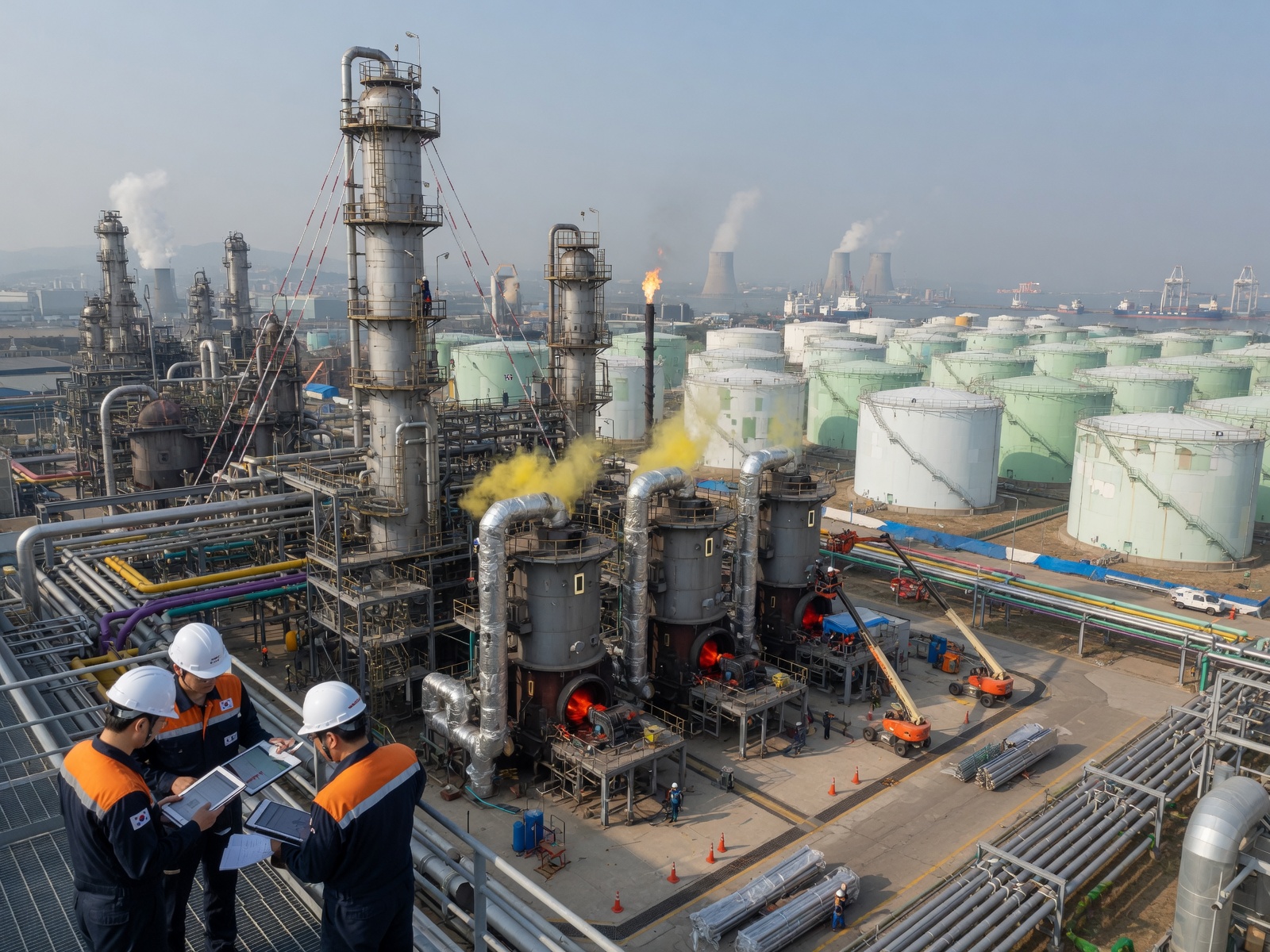
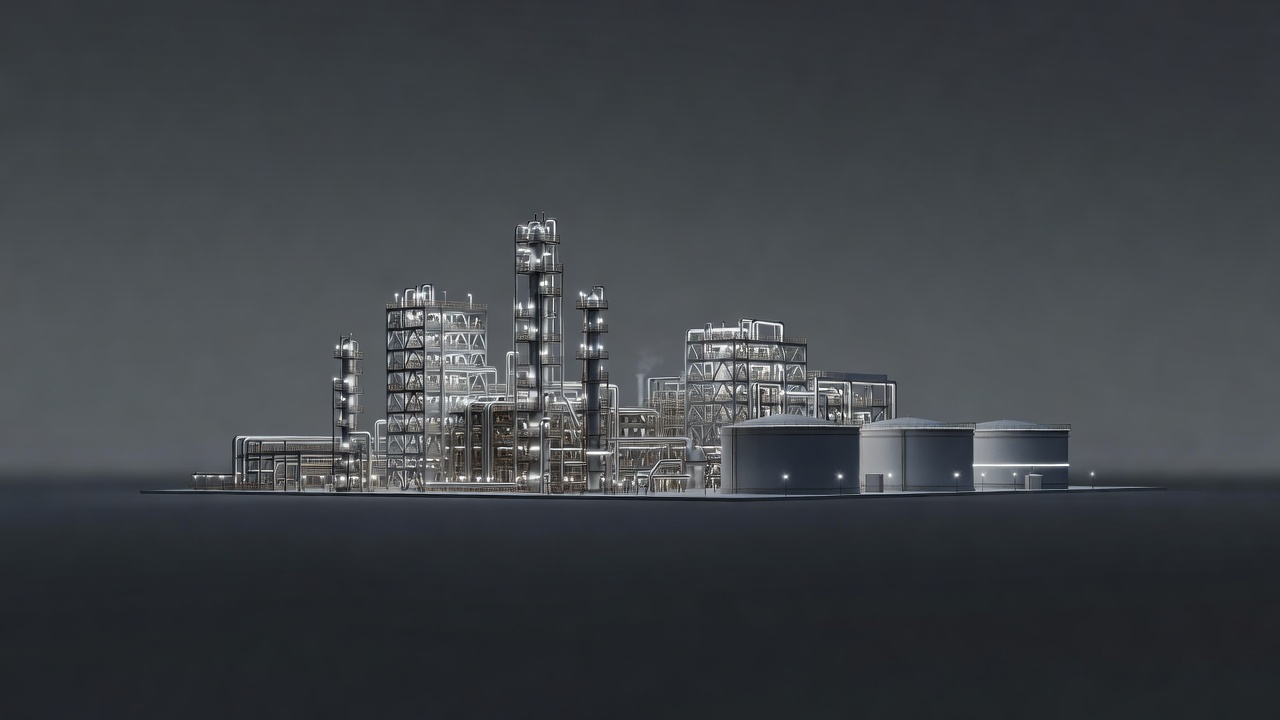
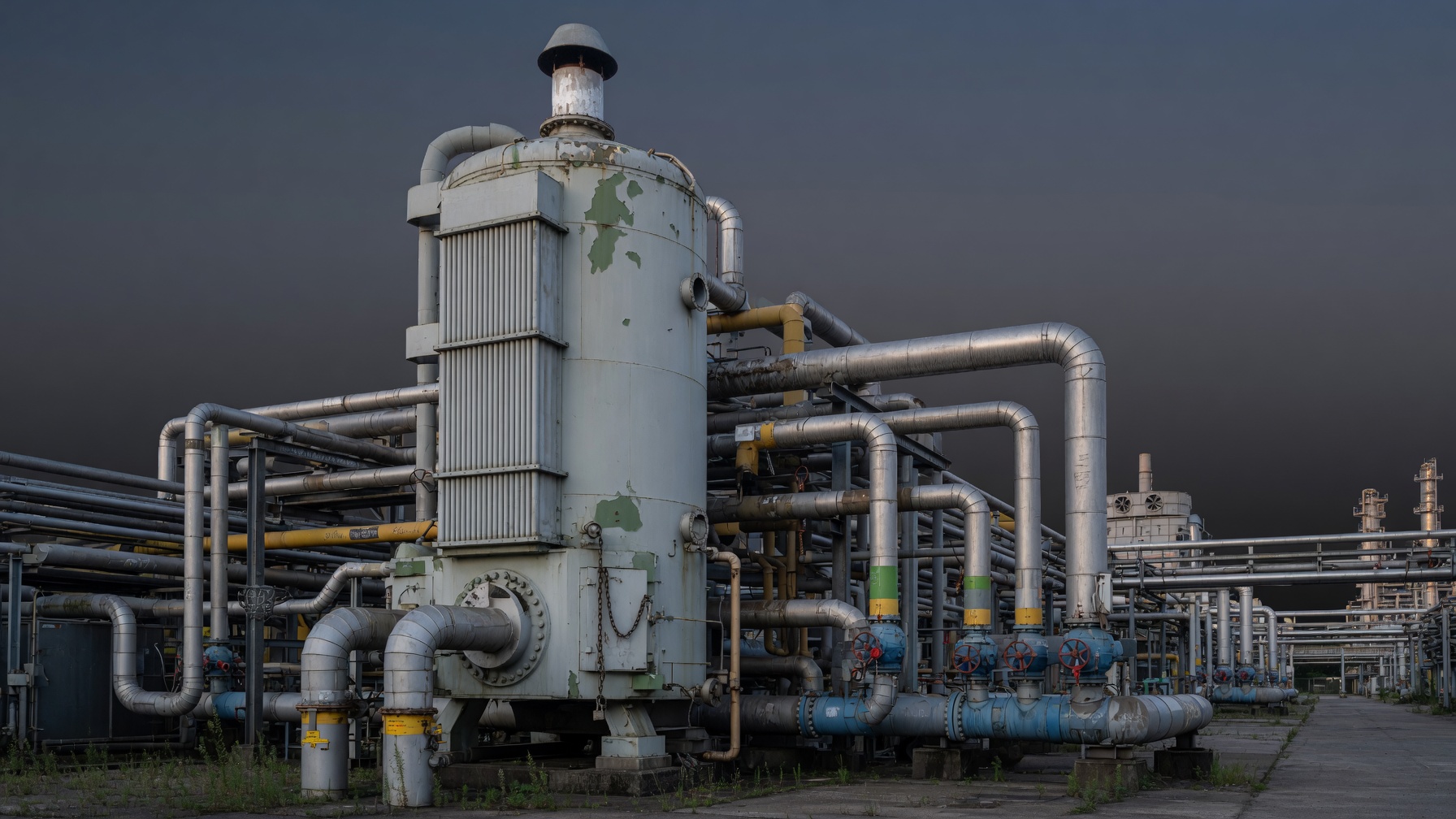
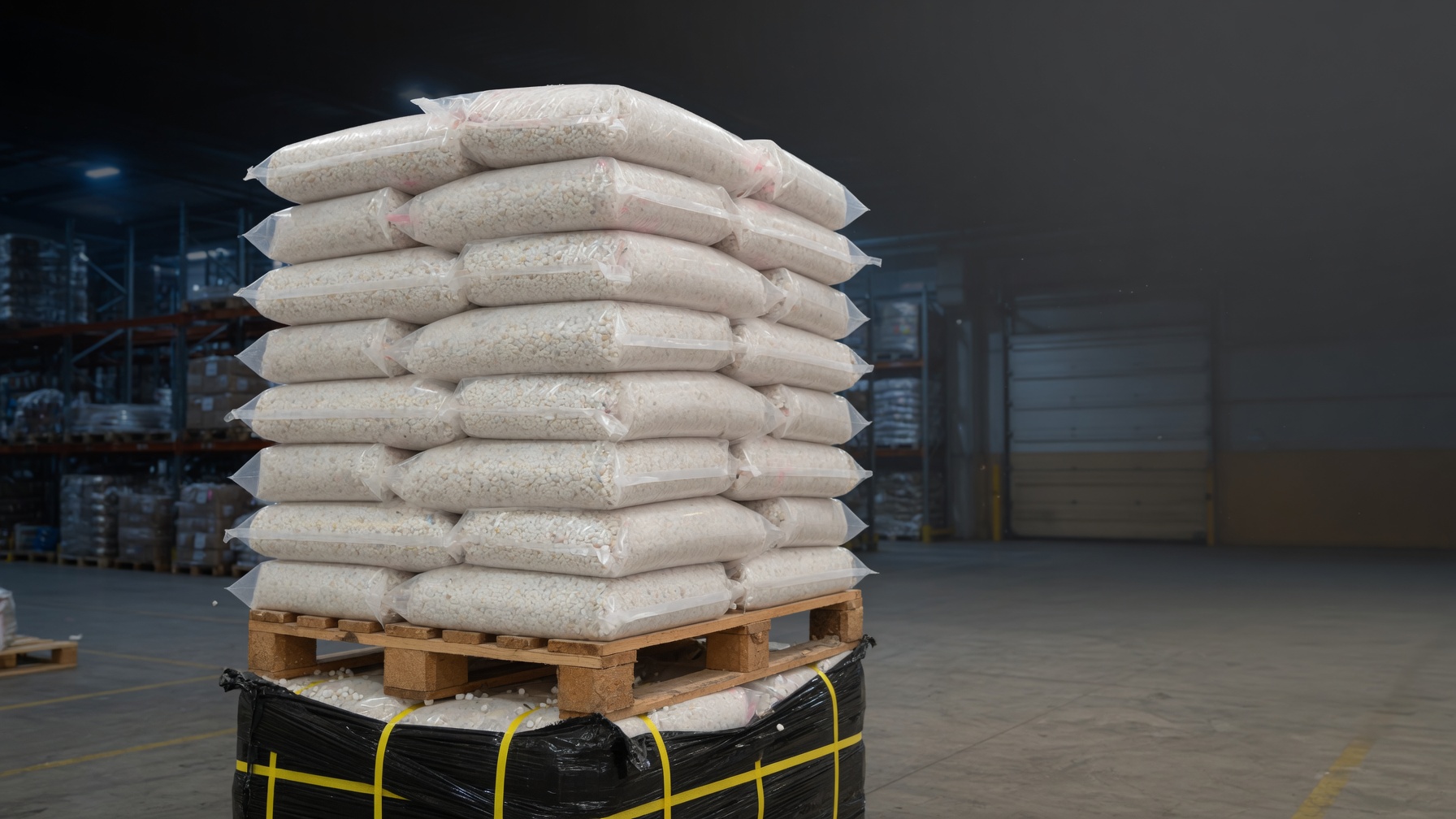
South Korea's petrochemical industry is entering a new phase of restructuring as the country's planned industry overhaul is expected to shut down smaller stand-alone naphtha crackers. Rather than representing isolated plant closures, these changes reflect a broader trend of petrochemical consolidation across Asia, where producers are reassessing capacity, profitability and long-term competitiveness.
For procurement professionals, cracker closures deserve close attention because they influence the availability of fundamental petrochemical building blocks. Decisions made at the cracker level eventually affect polymers, synthetic fibres, solvents and numerous downstream chemical products.
Why Steam Crackers Sit at the Centre of Petrochemical Production
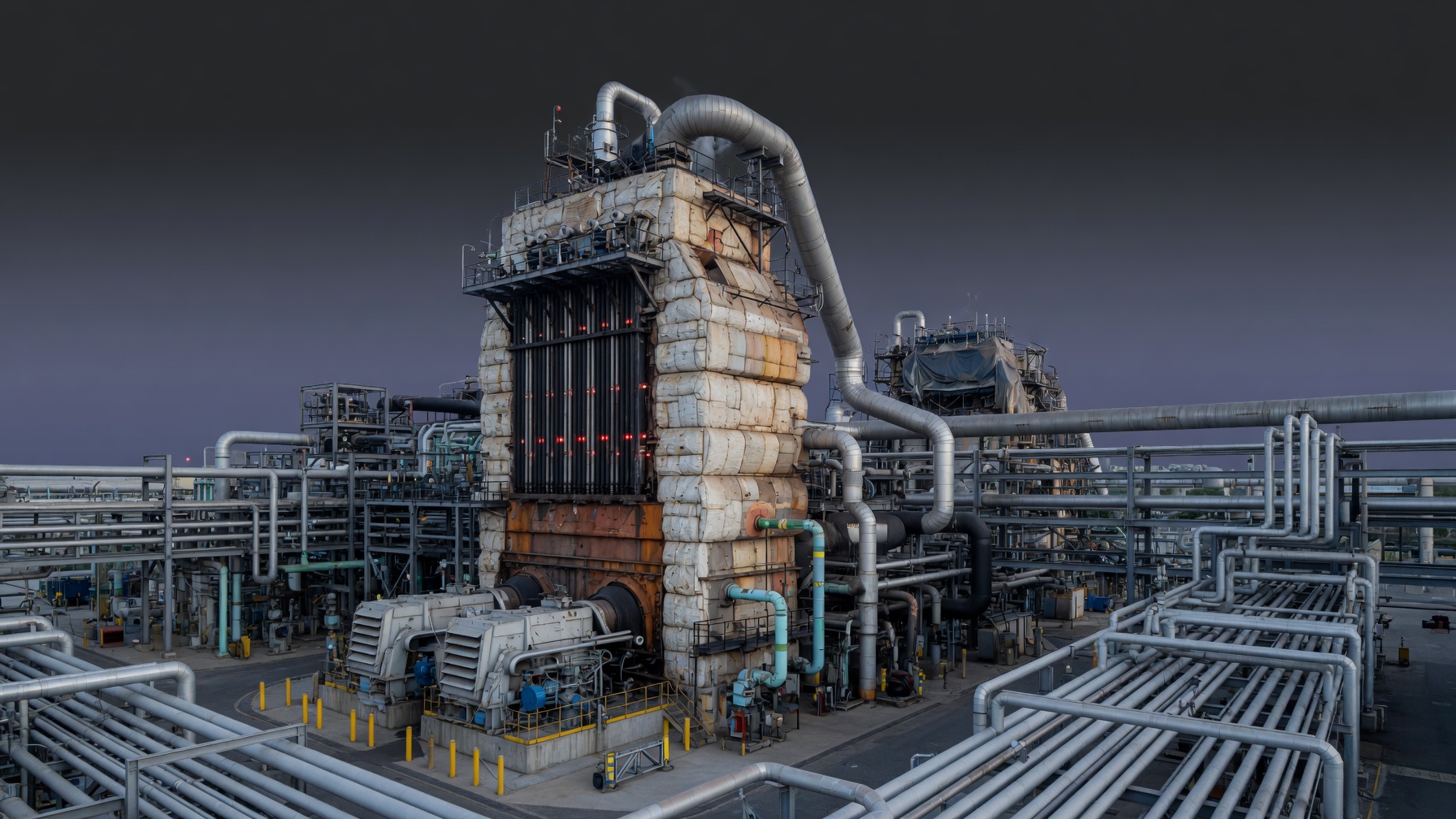
A steam cracker converts hydrocarbon feedstocks such as naphtha into essential petrochemical building blocks.
These facilities produce key raw materials including:
These products support thousands of downstream manufacturing applications, making cracker utilisation one of the most important indicators in the chemical industry.
Why Smaller Stand-Alone Crackers Face Pressure
Independent crackers often operate without the advantages enjoyed by large integrated petrochemical complexes.
Challenges may include:
Higher operating costs.
Limited economies of scale.
Greater exposure to feedstock price volatility.
Higher energy consumption.
Reduced operational flexibility.
When demand weakens or margins tighten, these facilities frequently become the first candidates for restructuring or closure.
Consolidation Could Strengthen Long-Term Industry Efficiency
Although plant shutdowns may appear negative at first glance, industry consolidation can improve overall market balance.
Potential benefits include:
Better utilisation of remaining production assets.
Improved producer profitability.
Reduced excess capacity.
More efficient capital investment.
Stronger integration between refining and petrochemical operations.
A healthier industry structure can ultimately support more sustainable production over the long term.
Procurement Teams Should Monitor Regional Capacity Changes
Every cracker closure changes the regional production landscape.
Procurement professionals should review:
Supplier production locations.
Available ethylene and propylene capacity.
Regional polymer output.
Planned maintenance schedules.
New investment announcements.
Monitoring these developments allows buyers to anticipate supply changes before they influence commercial availability.
Downstream Markets May Experience Structural Changes
Reduced cracker capacity does not automatically lead to product shortages, but it can reshape supply chains over time.
Industries that may monitor these developments closely include:
As regional production adjusts, procurement teams may encounter changes in supplier portfolios, delivery patterns and contract negotiations.
Diversified Sourcing Will Become More Valuable
Asian petrochemical consolidation reinforces the importance of maintaining flexible procurement strategies.
Organizations should consider:
Qualifying suppliers across multiple countries.
Reviewing long-term supply agreements.
Monitoring regional investment projects.
Evaluating total landed costs.
Maintaining strategic inventory for critical materials.
A diversified supplier network provides greater resilience when production capacity shifts between regions.
What Petrochemical Buyers Should Do Now
South Korea's planned shutdown of smaller stand-alone naphtha crackers represents more than a domestic restructuring programme. It reflects a wider transformation taking place across Asia's petrochemical sector as producers focus on efficiency, competitiveness and long-term profitability.
Procurement teams should closely monitor regional capacity changes, maintain active communication with suppliers and review sourcing strategies as consolidation progresses. Companies that understand these structural shifts will be better positioned to secure reliable supply while adapting to the next stage of Asia's petrochemical market evolution.
Ready to source petrochemical products from verified global suppliers? Explore competitive offers on our platform today.