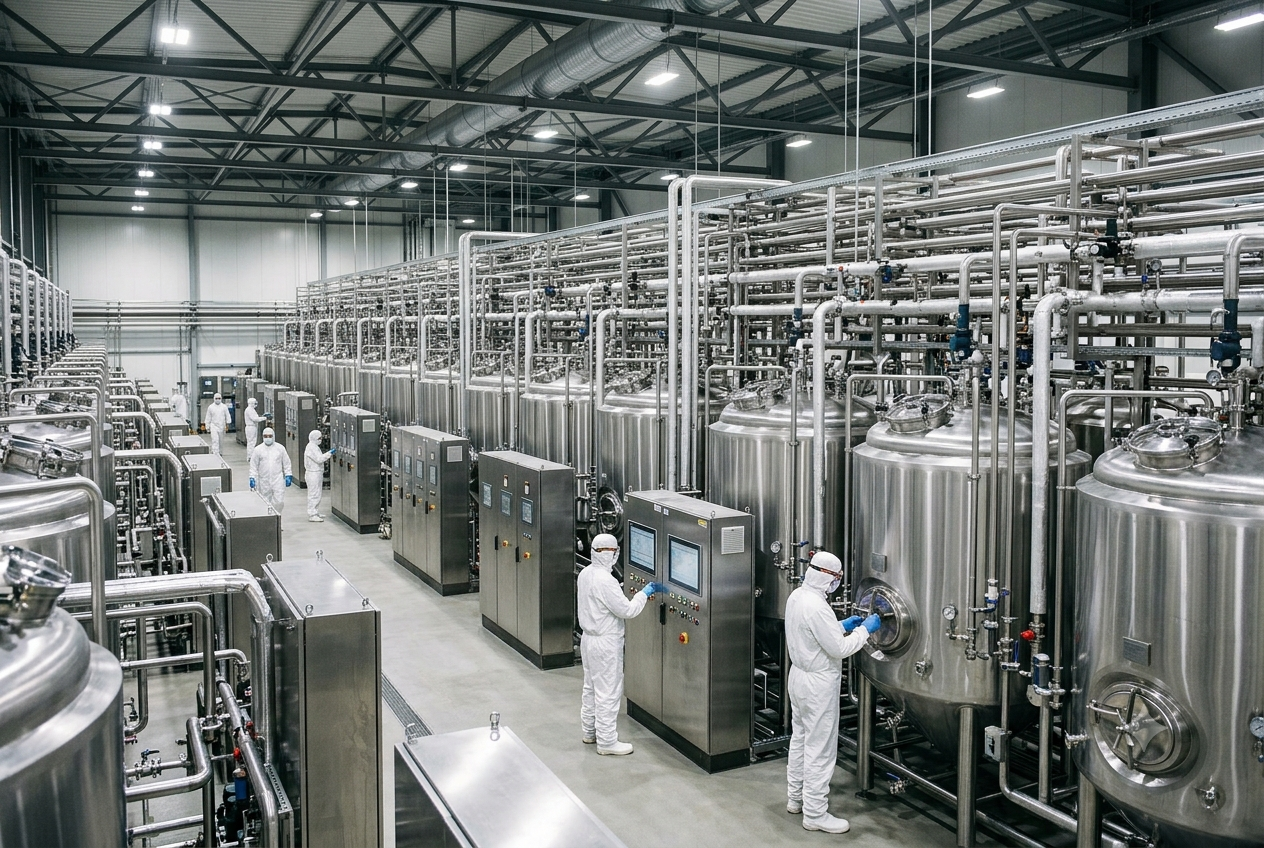
Biosphere has secured a $9 million contract from the U.S. Department of Defense to develop a portable system capable of producing food rations for soldiers using only air, water and electricity. The project exemplifies a broader military commitment to industrial biotechnology, with over $300 million allocated for such technologies in 2026. For procurement professionals managing amino acid, protein ingredient and fermentation product supply chains, this defense investment signals accelerating commercialization timelines for gas fermentation platforms that could reshape how food ingredients get produced and sourced over the next decade.
The technology converts carbon dioxide and hydrogen into edible biomass through microbial fermentation, eliminating dependence on agricultural feedstocks, arable land and conventional supply chains. While military applications drive current funding, the underlying chemistry has potential applications across food ingredients, animal feed, industrial enzymes and specialty chemicals that chemical buyers should understand as the technology matures toward commercial scale.
What Gas Fermentation Actually Means
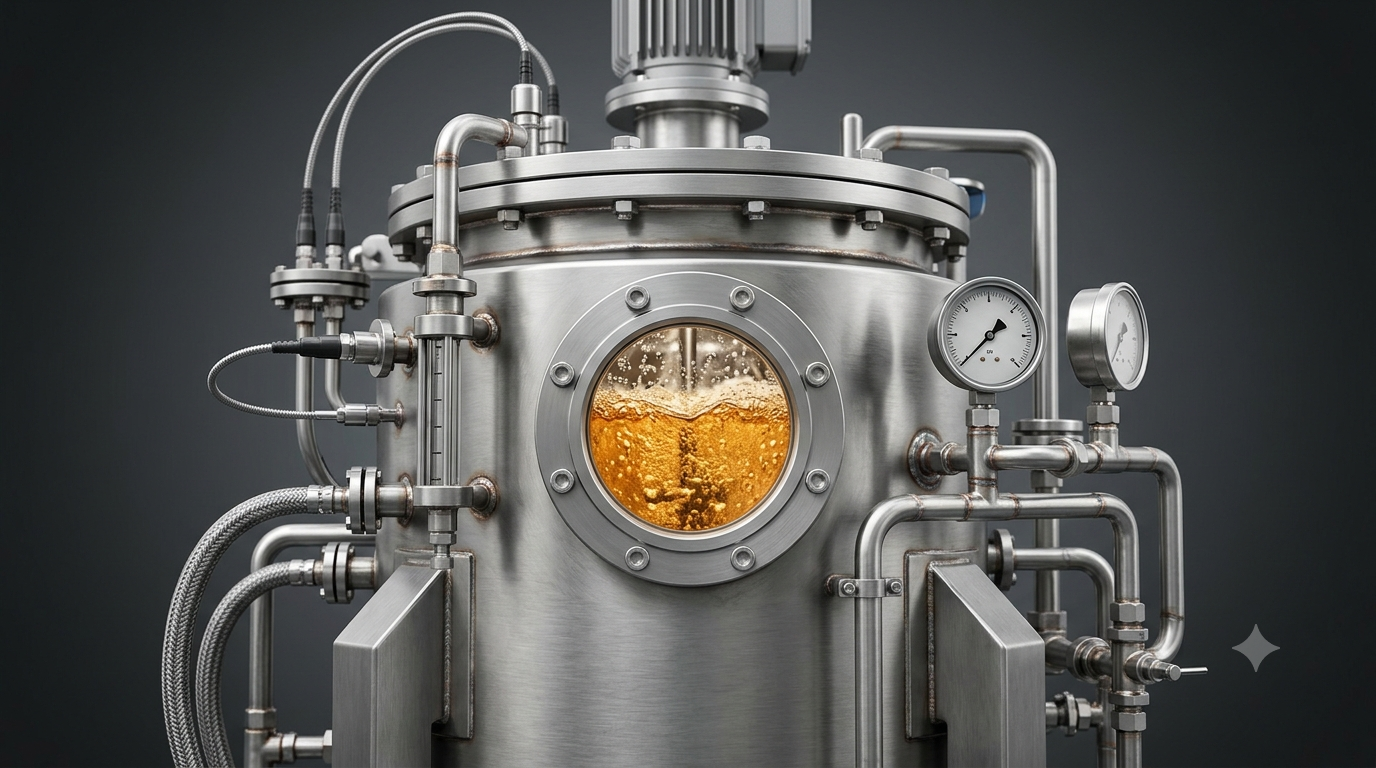
Gas fermentation uses microorganisms that consume gaseous substrates rather than sugars or starches as their primary carbon and energy sources. In Biosphere's system, specialized bacteria metabolize carbon dioxide and hydrogen to produce single-cell protein, fats and other nutritional components that can be processed into human food.
The hydrogen comes from water electrolysis powered by renewable electricity or portable generators. The carbon dioxide can be captured from ambient air, exhaust streams or concentrated CO2 sources. This approach bypasses photosynthesis and agriculture entirely, producing food ingredients through a chemical process more similar to industrial fermentation than farming.
The resulting biomass contains protein with complete amino acid profiles, B vitamins, minerals and in some cases fats or carbohydrates depending on the specific microbial strains and fermentation conditions employed. After harvesting and processing, the material can be formulated into nutritionally complete rations or used as ingredient components in food products.
Why the Military Invests in Food Production Technology
The Department of Defense faces logistics challenges supplying food to personnel deployed in remote locations, hostile environments and extended operations where conventional supply lines become vulnerable or impractical. Transporting food to forward bases requires fuel, vehicles, security and infrastructure that create costs and risks.
A portable system producing food on-site from air and electricity eliminates these supply chain dependencies. Soldiers in arctic outposts, naval vessels, disaster response operations or even future space missions could generate rations locally rather than waiting for shipments or carrying inventory.
The $300 million military investment in industrial biotechnology during 2026 reflects recognition that biological manufacturing offers strategic advantages beyond cost savings. Distributed biomanufacturing reduces logistical vulnerability, enables operation in austere environments and provides flexibility that traditional supply chains cannot match.
For chemical buyers, this military funding accelerates technology development that would otherwise require decades of private-sector R&D. Defense contracts de-risk early-stage technologies, fund scale-up and generate technical validation that supports subsequent commercial applications.
The Chemistry Behind Air-to-Food Conversion
The core process involves autotrophic microorganisms, specifically hydrogen-oxidizing bacteria that use hydrogen as an energy source and carbon dioxide as a carbon source for biosynthesis. These organisms evolved in environments like deep-sea hydrothermal vents where organic nutrients are scarce but hydrogen and CO2 are abundant.
The fermentation reaction consumes hydrogen and carbon dioxide while producing water and biomass according to metabolic pathways that convert inorganic substrates into organic molecules including proteins, nucleic acids, lipids and carbohydrates. The thermodynamics are favorable when hydrogen is supplied at sufficient partial pressure and the bioreactor maintains optimal temperature, pH and nutrient conditions.
Hydrogen production occurs through electrolysis splitting water into hydrogen and oxygen using electrical current. The oxygen becomes a byproduct that can be used for other purposes or vented. The hydrogen feeds directly into the fermenter where bacteria consume it continuously.
Carbon dioxide sourcing can occur through direct air capture using chemical sorbents, collection from concentrated sources like biogas or flue gas or purchase of compressed CO2. For military applications, air capture provides the most flexibility since it operates anywhere without external feedstock supply.
Biomass harvesting separates the bacterial cells from the fermentation broth through centrifugation or filtration. The harvested biomass then undergoes processing to inactivate viable cells, remove nucleic acids that can cause digestive issues at high concentrations and formulate the material into palatable food products.
Commercial Fermentation Parallels and Differences
Industrial fermentation already produces amino acids, vitamins, enzymes, organic acids and numerous specialty chemicals at commercial scale. Companies including Evonik, Ajinomoto, DSM and Novozymes operate fermentation facilities globally, supplying ingredients to food, feed, pharmaceutical and chemical industries.
These established processes typically use glucose, sucrose or other carbohydrate feedstocks derived from corn, sugarcane, cassava or other crops. The fermentation organisms are bacteria, yeast or fungi selected and often genetically modified for high productivity of target compounds.
Gas fermentation differs by eliminating agricultural feedstocks entirely. This shift removes exposure to crop price volatility, land use competition, water consumption and agricultural supply chain disruptions. It also enables production in regions unsuitable for farming or where land is extremely expensive.
However, gas fermentation faces different challenges around hydrogen supply economics, bioreactor engineering for efficient gas-liquid mass transfer and achieving productivity levels that compete with sugar-based fermentation. Current systems produce biomass at rates lower than optimized glucose fermentation, requiring larger bioreactor volumes for equivalent output.
Portable System Engineering Challenges
Developing a portable food production system introduces engineering constraints beyond those faced by stationary industrial facilities. The system must fit within military transport requirements, operate reliably in field conditions and require minimal maintenance by personnel without specialized training.
Energy efficiency becomes critical when electricity comes from portable generators rather than grid power. The electrolyzer converting water to hydrogen must achieve high electrical efficiency to minimize fuel consumption. The fermenter should operate at conditions that maximize biomass yield per unit of hydrogen and electricity input.
Water consumption matters in environments where water is scarce or must be transported. The system should incorporate water recycling, recovering water from fermentation and other processes to minimize makeup water requirements.
Robustness requires equipment that tolerates temperature fluctuations, rough handling during transport and intermittent operation when electricity or feedstocks become temporarily unavailable. Industrial fermenters designed for continuous operation in climate-controlled facilities may fail under field conditions without significant redesign.
Processing equipment for harvesting biomass, inactivating cells and formulating finished rations must also meet portability constraints while maintaining food safety standards. This complete system integration from gas inputs through finished rations represents Biosphere's technical challenge under the DoD contract.
Novel Food Regulatory Considerations
Food ingredients produced through gas fermentation qualify as novel foods under most regulatory frameworks, requiring safety assessments and approvals before commercial sale. In the United States, novel food ingredients typically pursue Generally Recognized as Safe (GRAS) status through FDA notification or undergo food additive petition processes.
The European Union regulates novel foods through a centralized authorization system requiring comprehensive safety dossiers including compositional analysis, toxicology studies, allergenicity assessment and production process descriptions. This approval process extends 18 to 36 months from submission to authorization.
Biosphere's military application sidesteps these commercial regulatory requirements initially since military rations follow different procurement standards. However, any subsequent commercial use of the technology would require full regulatory clearance in relevant markets.
The regulatory path depends partly on how the product gets positioned. Single-cell protein sold as a direct food ingredient faces different requirements than protein sold as animal feed, which faces different requirements than protein sold as a dietary supplement. Biosphere and future commercial operators will optimize regulatory strategy based on target market applications.
Production Economics at Commercial Scale
Gas fermentation economics depend critically on electricity costs and capital intensity of the production system. Hydrogen production through electrolysis requires roughly 50 to 55 kilowatt-hours of electricity per kilogram of hydrogen. Each kilogram of bacterial biomass requires approximately 0.15 to 0.2 kilograms of hydrogen depending on metabolic efficiency.
At industrial electricity rates of $0.05 to $0.08 per kilowatt-hour, the energy cost for producing one kilogram of protein via gas fermentation ranges from $0.40 to $0.90. This compares to soy protein isolate costs of $2 to $4 per kilogram, suggesting gas fermentation could achieve cost competitiveness if capital and operating expenses beyond energy remain controlled.
However, capital costs for electrolyzers, fermenters, gas handling systems and downstream processing equipment are currently higher per unit of capacity than for conventional sugar-based fermentation. As production scales and technology matures, these capital costs should decline through manufacturing learning curves and engineering optimization.
The availability of low-cost renewable electricity becomes a decisive factor. Regions with abundant solar, wind or hydroelectric power selling at $0.02 to $0.04 per kilowatt-hour create favorable economics. Areas dependent on fossil fuel generators at $0.15 to $0.25 per kilowatt-hour make gas fermentation economically challenging.
Competitive Landscape in Precision Fermentation
Biosphere competes in a growing field of companies developing alternative fermentation approaches for food production. Solar Foods in Finland, Air Protein in California and NovoNutrients in California pursue similar gas fermentation platforms with different microbial strains, process designs and target markets.
LanzaTech, primarily focused on carbon recycling for fuels and chemicals, has also demonstrated protein production from gas fermentation using its industrial gas-consuming bacteria. The company's existing commercial facilities for ethanol production from industrial off-gases provide manufacturing infrastructure that could be adapted for protein production.
Traditional fermentation companies including DSM, Evonik and ADM monitor these developments and may enter through partnerships, acquisitions or internal development programs if gas fermentation demonstrates commercial viability. These established players bring fermentation expertise, regulatory experience and customer relationships that startups lack.
The competitive dynamic will likely involve specialization where different companies target distinct applications. Military rations, space food, disaster relief, regions with limited agriculture and premium sustainability-focused products represent different market segments with varying economics and regulatory requirements.
What Chemical and Ingredient Buyers Should Monitor
Procurement teams managing amino acid, protein ingredient and fermentation product portfolios should track several developments that signal gas fermentation's progress toward commercial relevance. First, monitor capacity announcements and facility construction from companies in this space. Pilot facilities at 100 to 1,000 tons per year indicate technology validation, while commercial facilities above 10,000 tons per year demonstrate economic viability.
Second, watch for regulatory approvals in key markets. GRAS notifications in the U.S., novel food authorizations in the EU or approvals in Singapore, which has been receptive to food technology innovation, indicate that regulatory pathways are navigable and that safety data supports commercial use.
Third, track pricing announcements and customer agreements that reveal whether gas fermentation proteins can compete economically with conventional alternatives. Early commercial sales often occur at premium prices to sustainability-focused customers, but mass market penetration requires cost parity with incumbent materials.
Fourth, observe intellectual property developments including patents, licensing agreements and litigation that affect freedom to operate. Gas fermentation involves numerous process patents around microbial strains, bioreactor designs, gas delivery systems and downstream processing. The IP landscape will influence how many companies can enter the market and whether licensing fees affect economics.
Fifth, follow military procurement beyond Biosphere's contract. Additional DoD investments in related technologies, field testing results from military rations or procurement announcements for operational deployment all indicate technology maturation and potential spillover to commercial markets.
Applications Beyond Military Rations
While defense funding drives current development, gas fermentation's commercial potential extends across multiple ingredient categories. Single-cell protein could partially replace soy protein, fishmeal, whey protein or other conventional protein sources in food, beverage, sports nutrition and animal feed applications.
Specific amino acids currently produced via conventional fermentation might be manufactured through gas fermentation if process economics prove favorable. Lysine, threonine, methionine and tryptophan represent multi-billion-dollar global markets where alternative production routes offering lower costs or improved sustainability could capture significant share.
Specialty fats and oils produced through metabolic engineering of gas-fermenting organisms could provide alternatives to palm oil, fish oil or other natural fats facing sustainability concerns or supply constraints. Omega-3 fatty acids, medium-chain triglycerides and structured lipids represent high-value targets.
Industrial enzymes, vitamins and organic acids produced through gas fermentation could serve chemical, pharmaceutical and specialty ingredient markets where current production relies on conventional fermentation or chemical synthesis from petrochemical feedstocks.
The breadth of potential applications means that procurement teams across diverse industries should maintain awareness even if immediate sourcing relevance is limited. Technology breakthroughs or economic shifts that make gas fermentation commercially viable could disrupt ingredient markets rapidly.
Infrastructure and Investment Requirements
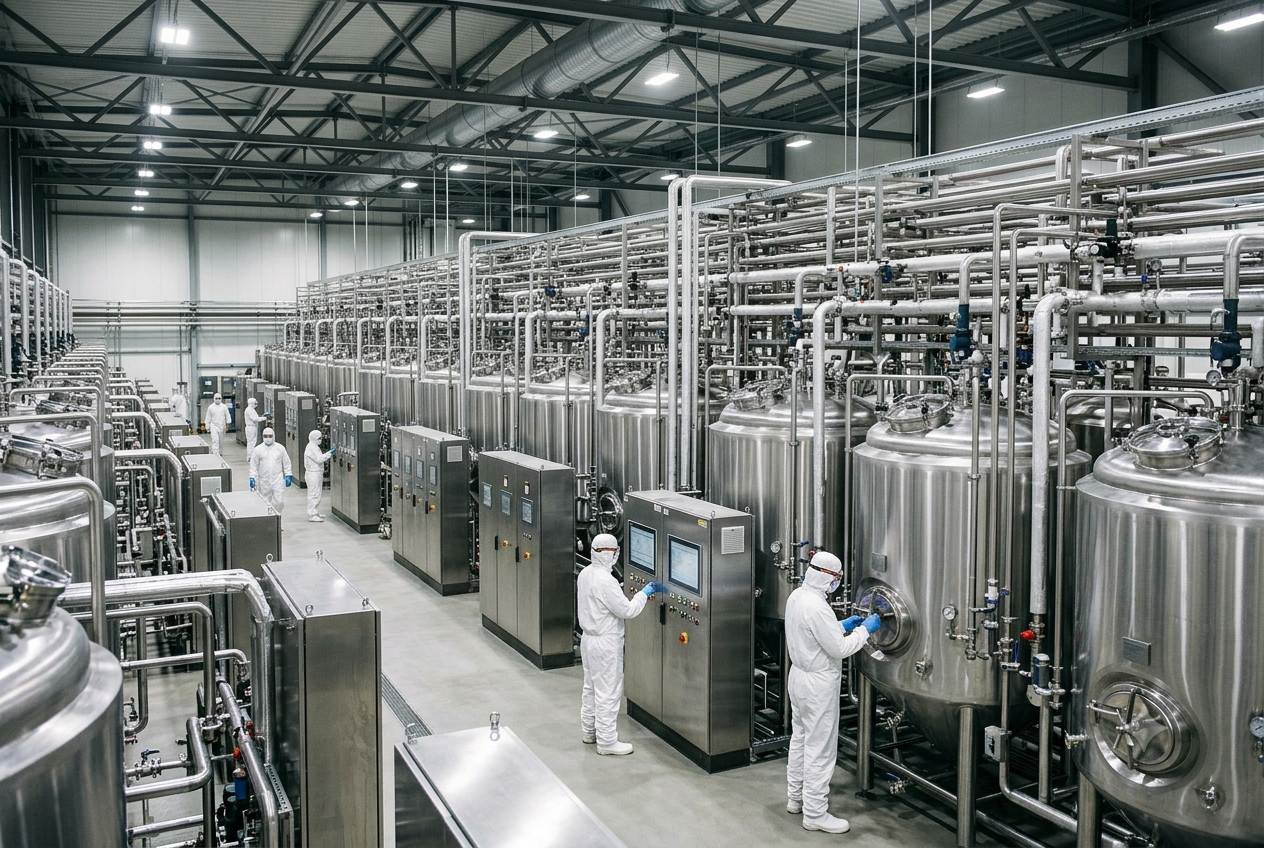
Scaling gas fermentation from pilot projects to industrial capacity requires substantial capital investment in manufacturing facilities, supply chain infrastructure and market development. A commercial-scale facility producing 10,000 to 50,000 tons of protein annually might require $100 million to $300 million in capital depending on technology approach and location.
This capital intensity creates barriers to entry but also opportunities for strategic partnerships between technology developers and established chemical or food ingredient manufacturers. Companies with existing fermentation assets, regulatory expertise and customer relationships can accelerate commercialization through joint ventures or acquisitions.
Hydrogen infrastructure development also affects scaling potential. Regions with existing hydrogen production and distribution networks such as industrial clusters around refineries or chemical plants offer advantages over locations requiring entirely new hydrogen supply chains. Alternatively, on-site hydrogen generation through electrolysis requires reliable, affordable electricity and water access.
The $300 million DoD commitment to industrial biotechnology in 2026 provides meaningful validation and risk reduction that should attract private capital to companies developing these technologies. Military funding often catalyzes subsequent venture capital, corporate venture and project finance investment that enables transition from government-funded R&D to commercial deployment.
The Strategic View for 2029 and Beyond
Biosphere's portable food production system for military applications represents the leading edge of gas fermentation commercialization, but the technology's broader impact will unfold over the remainder of the decade. Chemical and ingredient buyers should view current developments as indicators of where the technology stands in a multi-year commercialization trajectory.
By 2027 to 2028, expect to see initial regulatory approvals for gas fermentation proteins in progressive markets and first commercial-scale facilities beginning operation. Early products will likely target premium segments where sustainability attributes command price premiums and where customers value supply chain security over minimum cost.
By 2029 to 2030, improved process economics through scale and learning should enable broader market penetration into mainstream food ingredients and animal feed applications. At this stage, gas fermentation begins affecting conventional ingredient pricing and sourcing strategies as buyers gain viable alternatives to agricultural feedstocks.
The technology's ultimate impact depends on electricity costs, carbon pricing policies that favor low-emission production methods and continued yield improvements through microbial strain development and process optimization. Procurement teams that build knowledge now about gas fermentation capabilities, economics and commercialization timelines will make better-informed sourcing decisions as the technology matures.
Ready to source L-Lysine HCL 98.5% from verified global suppliers? Explore competitive offers on our platform today.