The chemical industry is witnessing a major strategic pivot as Copenhagen-based Again acquires San Diego’s Genomatica. This deal extends far beyond simple asset consolidation. It fundamentally alters the feedstock strategy for sustainable chemical production.
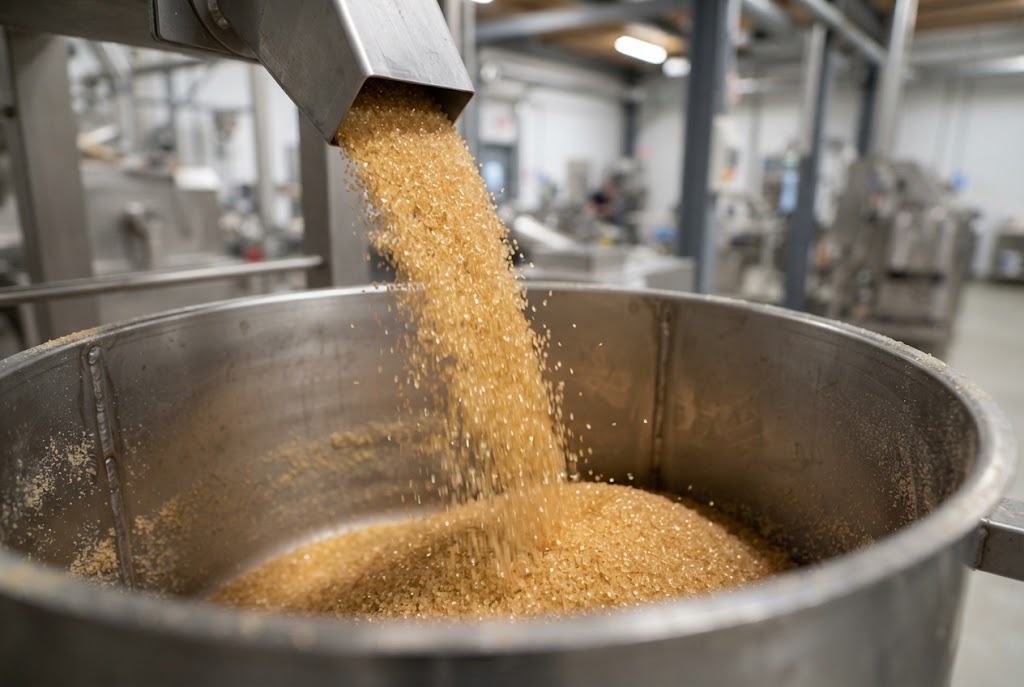
Again has built its reputation on converting captured carbon dioxide and hydrogen into valuable molecules. The integration of Genomatica adds a powerful new dimension to this model. The company can now utilize renewable sugars as a primary input for biological synthesis.
This expansion creates a truly feedstock-independent production platform. Procurement managers and chemical traders must understand the implications of this flexibility. It reduces reliance on any single raw material source and enhances supply chain resilience significantly.
Buyers of biobased chemicals will see a more robust and diverse product portfolio emerge. The ability to switch between carbon capture and agricultural feedstocks offers distinct competitive advantages. This agility allows producers to optimize costs based on real-time market conditions.
Again’s original technology focused heavily on electrochemical conversion of CO2. While effective this approach depends entirely on the availability of cheap renewable electricity and captured carbon. Adding sugar-based pathways introduces a biological alternative that operates under different economic drivers.
Genomatica brings decades of expertise in engineering microorganisms to ferment sugars into specific chemicals. This biological process complements the catalytic methods used by Again effectively. The combined platform can choose the most efficient route for each target molecule.
Procurement teams benefit from this diversification through greater supply stability. If carbon capture capacity is constrained in one region sugar fermentation can maintain production levels. This redundancy is critical for meeting long-term contract obligations in volatile markets.
The shift also opens doors to regions with abundant agricultural resources but limited industrial infrastructure. Countries with strong sugar cane or corn industries can become new hubs for chemical production. This geographic expansion reshapes global trade flows for sustainable intermediates.
The Strategic Value of Feedstock Independence
Relying on a single feedstock type exposes chemical manufacturers to significant price volatility. Fluctuations in energy costs or carbon credit prices can drastically impact production economics. A feedstock-independent platform mitigates these risks by offering multiple input options.
Again can now evaluate the cost efficiency of CO2 versus sugars for every production batch. This dynamic optimization ensures that the company remains competitive regardless of market shifts. Buyers appreciate this stability as it leads to more predictable pricing structures over time.
Feedstock independence also enhances regulatory compliance capabilities. Different jurisdictions may favor specific types of renewable inputs based on local policies. Having both options allows the merged entity to tailor its production methods to meet regional sustainability criteria effectively.
Traders should monitor how this flexibility influences spot market dynamics. Producers who can switch feedstocks quickly will have a distinct advantage during supply disruptions. This operational agility will become a key differentiator in the B2B chemical marketplace.
Key Molecules Produced via Sugar Fermentation
Genomatica has a proven track record of producing high-volume chemicals through sugar fermentation. 1,4-butanediol stands out as a prime example of a successful biobased molecule. It serves as a critical building block for polyurethanes and spandex fibers globally.
The acquisition allows Again to apply its scaling expertise to these established biological processes. Buyers can expect increased availability of biobased BDO and other nylon precursors. These materials offer identical performance to their fossil-based counterparts while reducing carbon footprints.
Other potential targets include various organic acids and alcohols used in specialty applications. The microbial strains developed by Genomatica can be adapted to produce a wide range of molecules. This versatility expands the addressable market for Again’s sustainable chemical solutions significantly.
Procurement professionals should evaluate these sugar-derived molecules based on total lifecycle impacts. While the fermentation process uses agricultural inputs it often results in lower overall emissions. This balance is crucial for companies aiming to meet strict net-zero targets.
Impact on Global Sourcing and Trade Flows
The addition of sugar-based pathways will influence global sourcing strategies for biobased chemicals. Regions with abundant renewable sugar supplies such as Brazil and Southeast Asia may see increased investment. Local production hubs can reduce transportation costs and associated emissions for downstream buyers.
Chemical traders must adapt to new documentation requirements for agricultural feedstocks. Certifications proving the sustainable sourcing of sugars will become standard in procurement contracts. Buyers need to verify that their suppliers adhere to responsible land use practices.
Importers and exporters should anticipate new trade flows emerging from these agricultural hubs. The merged entity will likely establish licensing agreements with local partners in key sugar-producing regions. This decentralized production model enhances global supply chain resilience effectively.
The ability to source locally also reduces exposure to geopolitical risks affecting fossil fuel markets. Buyers gain access to a more stable and transparent supply chain for essential industrial materials. This shift aligns with broader trends toward regionalization in chemical manufacturing.
Regulatory Drivers Supporting Biological Synthesis
Government policies worldwide are increasingly favoring biological routes for chemical production. Subsidies and tax incentives often target technologies that utilize renewable biomass effectively. The Genomatica acquisition positions Again to capitalize on these regulatory tailwinds immediately.
Corporate sustainability mandates also drive demand for sugar-derived chemicals. Many brands prefer feedstocks that are easily traceable to agricultural origins. This transparency supports their environmental reporting and consumer communication strategies effectively.
Sustainability certification schemes like ISCC PLUS recognize sugar-based pathways as valid low-carbon options. Obtaining these certifications allows buyers to claim significant carbon reductions in their final products. The merged entity will likely pursue these credentials aggressively to capture market share.
Regulatory clarity around biomass sourcing continues to improve in major markets. This stability encourages long-term investment in biological manufacturing facilities. Buyers can confidently commit to sugar-derived chemicals knowing they meet current and future compliance standards.
Challenges in Scaling Sugar-Based Production
Despite the advantages scaling sugar-based fermentation presents unique logistical challenges. Securing consistent and cost-effective biomass supplies requires robust agricultural supply chains. Seasonal variations and weather events can impact feedstock availability and pricing significantly.
Competition with food production for agricultural resources remains a sensitive issue. The industry must demonstrate that chemical feedstocks do not compromise food security. Using waste sugars or non-food crops helps mitigate these concerns effectively.
Water usage in fermentation processes also requires careful management. Large-scale biological production demands significant water resources which may be scarce in some regions. Implementing efficient water recycling systems is essential for sustainable operations.
Market acceptance of sugar-derived chemicals depends on price competitiveness with petrochemicals. Volatility in agricultural commodity prices can influence the economic viability of these routes. Buyers must consider long-term value propositions rather than just short-term cost differences.
What Procurement Teams Should Do Now
Procurement leaders must update their sourcing strategies to incorporate sugar-based biobased chemicals immediately. Engaging with suppliers who offer verified sustainable alternatives secures priority access to new materials. Building strong relationships with innovators like Again ensures stability in a rapidly evolving market.
Cross-functional collaboration between procurement sustainability and research departments is essential. Companies need to identify which petrochemical ingredients they can replace with sugar-derived equivalents. The transition requires careful testing but offers significant long-term strategic advantages.
Investing in digital tools to track the origin of agricultural feedstocks is crucial. This data supports regulatory compliance and enhances brand reputation among environmentally conscious consumers. Procurement teams play a vital role in driving the industry toward a more sustainable future.
The Bottom Line for Chemical Buyers
The acquisition of Genomatica transforms Again into a feedstock-independent leader in sustainable chemistry. Access to sugar-based pathways complements its existing CO2 utilization technology perfectly. This dual capability offers unmatched flexibility and resilience for global chemical buyers.
Biobased molecules like 1,4-butanediol produced from sugars will increasingly dictate market dynamics. Companies that proactively integrate these versatile materials into their portfolios will gain a distinct competitive edge. The future of chemical trading belongs to those who embrace diverse renewable feedstocks. Ready to source Lactic Acid from verified global suppliers? Explore competitive offers on our platform today.