The collapse of the July 8 ceasefire and Brent crude's return to $79 per barrel have renewed attention on pharmaceutical supply chains that depend on globally traded specialty chemicals. While the latest geopolitical developments do not directly disrupt pharmaceutical manufacturing in India, they increase logistics uncertainty for imported reagents that support peptide synthesis. For procurement teams involved in GLP-1 API synthesis, pharmaceutical-grade DMF and trifluoroacetic acid (TFA) remain two of the most strategically important sourcing categories.
Demand for GLP-1 generic active pharmaceutical ingredients continues to expand as CDMOs increase production capacity. Against this backdrop, procurement managers should treat Q3 supply security for DMF and TFA as a priority rather than a routine purchasing exercise.
Why DMF and TFA Are Critical in GLP-1 API Manufacturing
Solid-phase peptide synthesis forms the foundation of modern GLP-1 API production. Every stage of peptide assembly depends on highly consistent reagent quality to maintain yield, purity and manufacturing efficiency.
Two materials play particularly important roles.
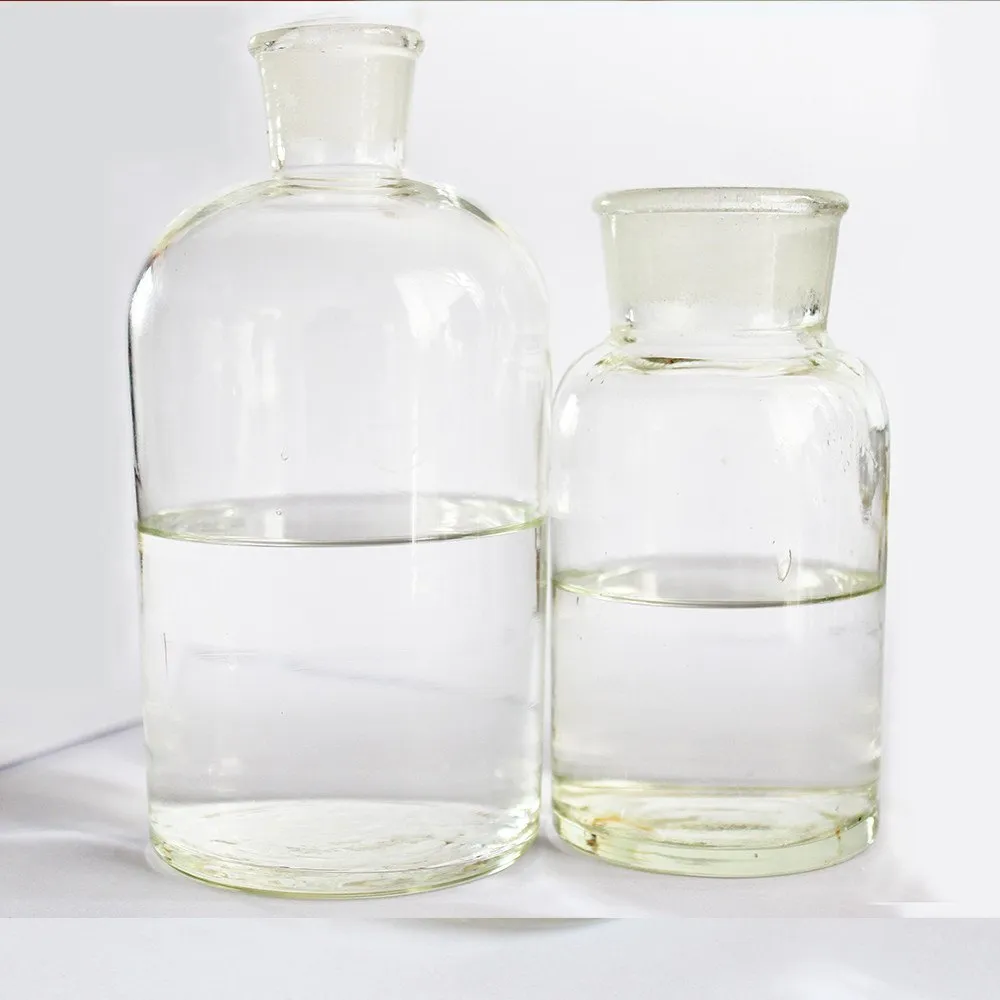
Pharmaceutical-grade DMF serves as a key solvent throughout peptide coupling and washing operations.
Trifluoroacetic acid (TFA) is widely used during peptide cleavage, deprotection and purification steps.
Because peptide synthesis involves multiple sequential reactions, interruptions in either reagent can slow entire production campaigns rather than a single manufacturing step.
Structural Supply Constraints Continue
The current procurement environment reflects more than temporary logistics disruption.
Pharmaceutical-grade DMF has already been identified as a structurally tight supply category. Chinese manufacturers remain major suppliers to the global market, with production relying on methanol-derived chemistry. Rising freight costs and higher energy prices can therefore influence delivered costs even when production remains stable.
TFA faces a separate structural challenge. The confirmed closure of Solvay's European TFA production unit has reduced available regional supply, increasing dependence on remaining manufacturers and tightening procurement options for pharmaceutical buyers.
These independent constraints mean that both reagents require proactive sourcing strategies throughout 2026.
Hormuz Uncertainty Increases Logistics Cost Pressure
The renewed uncertainty surrounding the Strait of Hormuz primarily affects transportation economics rather than chemical manufacturing itself.
Higher shipping costs, marine insurance premiums and energy prices can influence the delivered cost of specialty chemicals moving through European and Middle Eastern trade routes. Although Indian pharmaceutical production continues without direct disruption, imported supporting materials may become more expensive or experience longer transit times.
Procurement teams should therefore separate production risk from logistics risk. Manufacturing capacity may remain available while total landed cost continues to rise.
Implications for Indian GLP-1 CDMOs
India remains one of the world's fastest-growing centers for peptide API manufacturing. Many contract development and manufacturing organizations continue expanding capacity to support increasing global demand for GLP-1 therapies.
However, expanding production requires dependable access to high-purity raw materials.
Key procurement priorities include:
Reviewing inventory coverage for pharmaceutical-grade DMF and TFA across all production sites.
Monitoring supplier delivery schedules for upcoming manufacturing campaigns.
Identifying alternative qualified suppliers where regulatory requirements permit.
Evaluating logistics timelines for imported specialty reagents.
These actions help reduce the risk of production interruptions during periods of elevated market volatility.
Supplier Relationships Matter More Than Spot Purchases
In structurally constrained markets, long-term supplier partnerships often provide greater resilience than repeated spot market buying.
Procurement professionals should engage with primary suppliers to confirm:
Q3 allocation commitments.
Available production capacity.
Delivery schedules.
Inventory held within regional distribution hubs.
Contingency plans if logistics conditions deteriorate.
Clear communication allows procurement teams to identify potential shortages before they affect manufacturing schedules.
Managing Procurement Risk Beyond Price
Price remains an important consideration, but availability has become equally critical for peptide manufacturing.
Supplier evaluation should include:
GMP compliance and pharmaceutical documentation.
Batch consistency.
Regulatory support.
Geographic diversification.
Proven export capability.
A slightly higher purchase price may offer greater operational security if the supplier maintains dependable production and stable delivery performance.
Market Outlook for GLP-1 Reagents
Global demand for GLP-1 medicines continues to support investment in peptide manufacturing capacity across Asia, Europe and North America. This sustained expansion is likely to keep demand for pharmaceutical-grade DMF and TFA elevated over the coming quarters.
At the same time, structural supply constraints remain unresolved. European TFA production capacity has not fully recovered, while logistics costs remain sensitive to developments affecting global energy markets.
These conditions suggest that procurement planning should emphasize long-term supply resilience rather than assuming rapid market normalization.
What Pharmaceutical Procurement Teams Should Do Now
Current market conditions require timely action instead of reactive purchasing.
Procurement teams supporting GLP-1 CDMO operations should:
Confirm Q3 DMF supply agreements with primary suppliers.
Review TFA contract status and delivery commitments.
Verify available inventory against planned production schedules.
Monitor logistics costs for European and Middle Eastern specialty reagents.
Develop qualified secondary sourcing options where regulatory frameworks allow.
A disciplined procurement strategy will help manufacturers maintain uninterrupted GLP-1 API production despite ongoing logistics uncertainty and structurally tight reagent markets.
Ready to source DMF and trifluoroacetic acid (TFA) from verified global suppliers? Explore competitive offers on our platform today.